
Last updated November 15, 2026
 Sweep & inspection
 Caps & crowns
 Flue relining
 Masonry repair
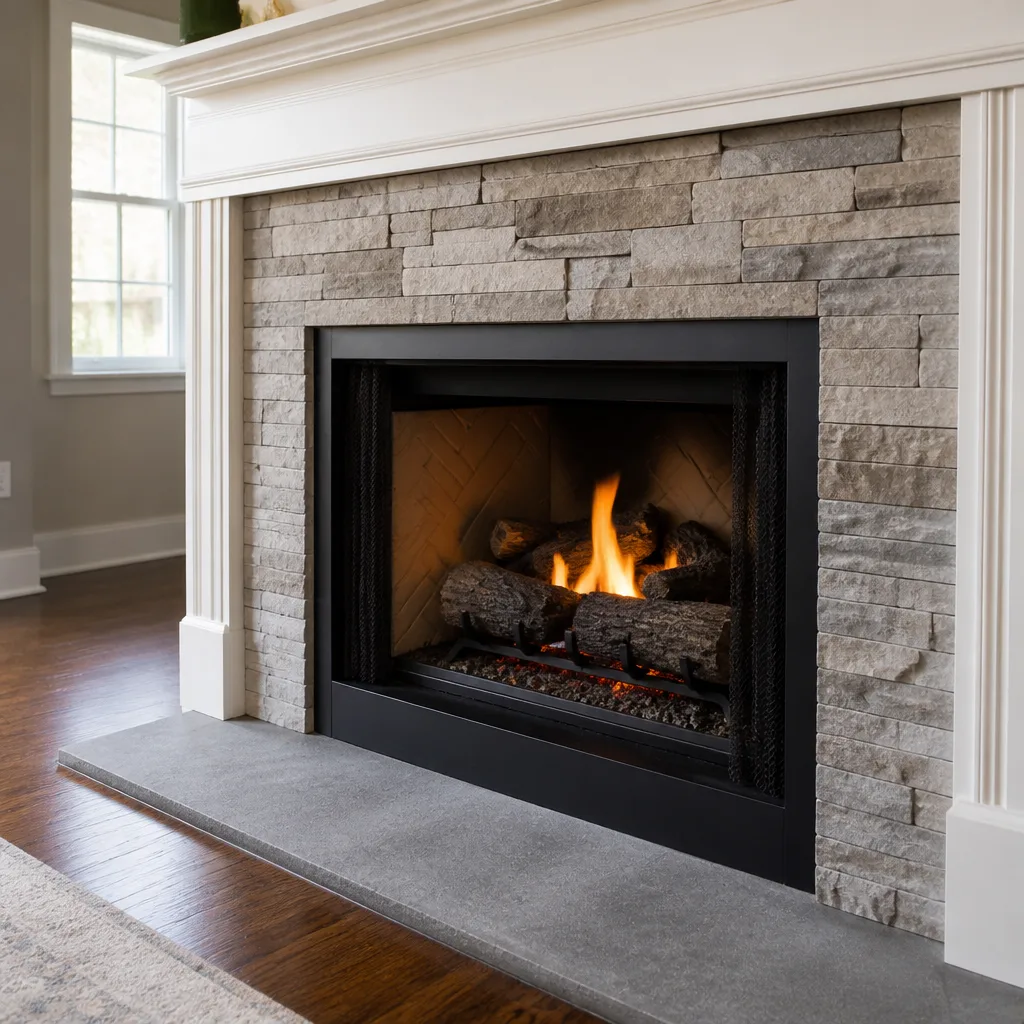 Gas fireplace service
Level 1 sweep and inspection to the NFPA 211 annual standard - flue, crown, cap, and flashing checked and photographed
Chimney sweep logs do not sweep chimneys. They loosen some creosote - which then falls where a brush and vacuum still have to collect it.
Chimney Sweep Maintenance Checklist for Pasadena Homeowners
Most chimney maintenance advice you’ll find online was written for places with four hard seasons and a burn season that runs from October to April. Pasadena doesn’t work that way. Here, the fireplace might see steady use through a short cool stretch, then sit mostly idle through months of Gulf humidity, blowing rain, and hurricane-season wind. A checklist copied from a national template tells you to inspect in fall and sweep in spring, which is roughly right but checks almost none of what actually goes wrong on a Pasadena chimney. This guide is built around the local conditions: what fails here, when it fails, what you can safely watch yourself, and what needs a professional’s eyes and tools.
Quick Answer
A chimney maintenance checklist for Pasadena should cover four things every year: a pre-season check for pest and moisture intrusion before the first fall fire, an annual professional sweep and inspection timed to your actual burn habits, a post-storm inspection after hurricane season for crown, cap, and flashing damage, and a simple written log of what you observe so a professional can spot trends instead of just the current state. The single most common failure here isn’t creosote buildup. It’s water and pests getting in between burns and quietly damaging the flue, the crown, and the firebox long before anyone lights a fire.
Styles & brands we work with
- Sweep & inspection
- Caps & crowns
- Flue relining
- Masonry repair
- Gas fireplace service
Table of Contents
- Why the Standard Annual Sweep Advice Misses the Mark in Pasadena
- Pre-Season Checklist: Before the First Fall Burn
- Post-Storm Inspection: What Hurricane Season Leaves Behind
- What You Can Safely Check Yourself vs. What Needs a Pro
- Humidity Indicators of Liner Deterioration Between Visits
- How to Log and Track Your Chimney Year Over Year
- How Often Does a Pasadena Chimney Actually Need Sweeping?
- The Exterior System: Crown, Cap, Flashing, and Chase Cover
Why the Standard Annual Sweep Advice Misses the Mark in Pasadena
Pasadena sits in a warm, humid stretch of the Gulf Coastal Plain. Our winters are brief and mild. Our summers are long, wet, and punishing on anything exposed to weather. A chimney here spends far more of its life wet and idle than hot and active, and that changes the maintenance priority order completely.
In a cold climate, the enemy is creosote. Long, frequent, hot fires on a steady schedule build up flammable deposits in the flue, and the annual sweep exists mostly to clear them. Here, many Pasadena homeowners light a fire a few dozen times a season at most. Creosote still accumulates, and it still matters, but the more common problem in our experience is deterioration driven by moisture: a rusted damper, a cracked crown letting rain down the flue, a firebox that stays damp between burns, or a nest lodged in the flue that blocks draft and holds humidity against the tile.
That means the dates on your calendar matter less than the sequence of events: when you last burned, when the last major storm passed through, and whether anything got wet since. We’ve seen chimneys that were swept on schedule and still failed early because nobody checked the crown after hurricane season. We’ve also seen twenty-year-old flues holding up beautifully because the owner kept water out and swept when the burn volume justified it. The checklist below rebuilds the generic advice around those realities.
Pre-Season Checklist: Before the First Fall Burn
The most important maintenance window in Pasadena is the quiet stretch in early fall, before the first cool evening tempts you to strike a match. Everything you need to check is best checked while the chimney is dry and before the season’s first fire hides a problem under smoke and soot.
Work through this in order:
- Look up. From the ground, check the cap and the spark screen. A missing or rusted-out cap is the single fastest route for rain, squirrels, and birds into a flue. Note any visible damage to the crown, the concrete or masonry surface at the top of the chimney.
- Check the firebox and damper. Open the damper and confirm it moves freely through its full range. A damper that sticks, drops, or won’t seal is a between-burns humidity problem waiting to happen. Look for rust flaking in the firebox and any white, powdery staining on the brick.
- Smell the chimney. A strong, sour, musty odor rising from the firebox in the fall is a moisture and soot signal. It doesn’t mean the chimney is ruined, but it means the flue needs a professional look before you burn.
- Look for pest evidence. Scratched soot near the damper, nesting material, droppings, or the sound of movement when you tap the firebox are all signs something has moved in over the summer. Birds and squirrels love an open flue.
- Inspect the exterior base and flashing. At the roofline, check the metal flashing where the chimney meets the roof. Lifted or rusted flashing is a leak path, and leaks are the number-one driver of early chimney repair.
- Review last year’s log. Compare what you’re seeing now with what you wrote down last season. A new crack in a crown that was hairline last year is a different situation than one that hasn’t changed in three years.
If anything on that list looks off, it’s worth booking a professional inspection before you light the first fire. Better to find a cracked crown in dry September than after the first rain has had its way with it.
Post-Storm Inspection: What Hurricane Season Leaves Behind
Pasadena’s storm season runs roughly June through November, and it does more chimney damage than most homeowners realize. The damage is rarely dramatic. It’s the slow, cumulative kind: wind-driven rain forced past a cap that used to seal, a crown that cracked from thermal stress and then took on water, flashing that lifted just enough to leak. None of it announces itself until the stain appears on the ceiling.
After a significant storm or a stretch of heavy wind-driven rain, check these points:
- Cap and spark screen. High wind can bend a cap, tear a screen, or lift a top-mount cap off its seat. A damaged cap lets water and debris straight down the flue.
- Crown condition. Look for new cracks or spalling. A crown is supposed to shed water away from the flue; once it cracks, it channels water toward it instead.
- Flashing and chase cover. At the roofline, check the flashing seal and the cover over a prefab chase. Wind can work these loose, and a loosened chase cover is a leak that finds the nearest interior ceiling.
- Debris at the flue top. Leaves, twigs, and shingle grit can collect at the flue opening or against a cap, blocking draft and holding moisture against the tile.
- Interior stains. Any new water staining on the ceiling near the chimney, or a musty smell after a storm, means water is getting in somewhere and needs a professional look.
This is where our exterior coverage matters. We work with cap, crown, and cover components from makers like Gelco and Famco, which means when a storm takes out a cap, we can replace the full exterior assembly rather than patching one piece and leaving the rest vulnerable. A post-storm inspection is also the right time to book an annual chimney sweep, since the flue is dry and the season’s debris is at its worst.
What You Can Safely Check Yourself vs. What Needs a Pro
There’s a real line between homeowner observation and professional work, and knowing where it sits keeps you safe and saves you money. Our general rule: you can look, listen, and log. You can’t safely climb, disassemble, or reach into a flue.
Safe for you to check
- The cap and spark screen, from the ground with binoculars if needed.
- Damper operation, from inside the firebox.
- Visible firebox condition: rust, efflorescence (white staining), loose brick, cracked joints you can see without reaching in.
- Exterior crown and flashing condition, from the ground or a safe vantage point.
- Odors, pest evidence, and any interior water stains.
Requires a trained professional
- Anything on the roof or up a ladder. Fall risk on a pitched roof is genuine, and we don’t recommend it.
- The inside of the flue. You cannot safely see or assess flue tile from the firebox, and you shouldn’t try to reach into it.
- Any work on the liner, the damper assembly, or the firebox structure.
- Diagnosing a draft problem. The cause can be the flue, the cap, the house pressure, or the firebox geometry, and sorting it out takes a camera and experience.
- Any gas or wood-insert component. These involve connections and venting you shouldn’t touch.
We include a camera inspection and a photo report with our sweeps for exactly this reason. When we tell you the flue needs work, you see the same footage we did. When we tell you it can safely wait a year, you know that’s based on evidence, not a sales pitch.
Humidity Indicators of Liner Deterioration Between Visits
Your flue tile doesn’t fail all at once. In our climate it fails slowly, and most of the failure happens in the long, humid stretch between professional visits. The good news is that the early signs are visible to a homeowner who knows what to look for. In our experience, these are the humidity-specific signals that show up on Pasadena chimneys:
- White, chalky staining on brick or mortar (efflorescence). This is salt driven to the surface by moisture moving through the masonry. It’s often the first visible sign that water is penetrating.
- A persistent damp or musty smell from the firebox, especially in humid weather. Healthy, dry chimneys don’t smell like a basement.
- Rust in the firebox or on the damper. A steel damper shouldn’t rust if the flue stays dry. Rust means water is getting in and staying in.
- Flaking or crumbling mortar joints you can see in the firebox or at the flue tile joints from the firebox side.
- Loose or missing pieces of flue tile. If you can see tile in the flue throat and it looks chipped or spalled, moisture is likely working on the joints.
- Interior ceiling staining near the chimney after wet weather. This is the clearest signal of all and warrants a call.
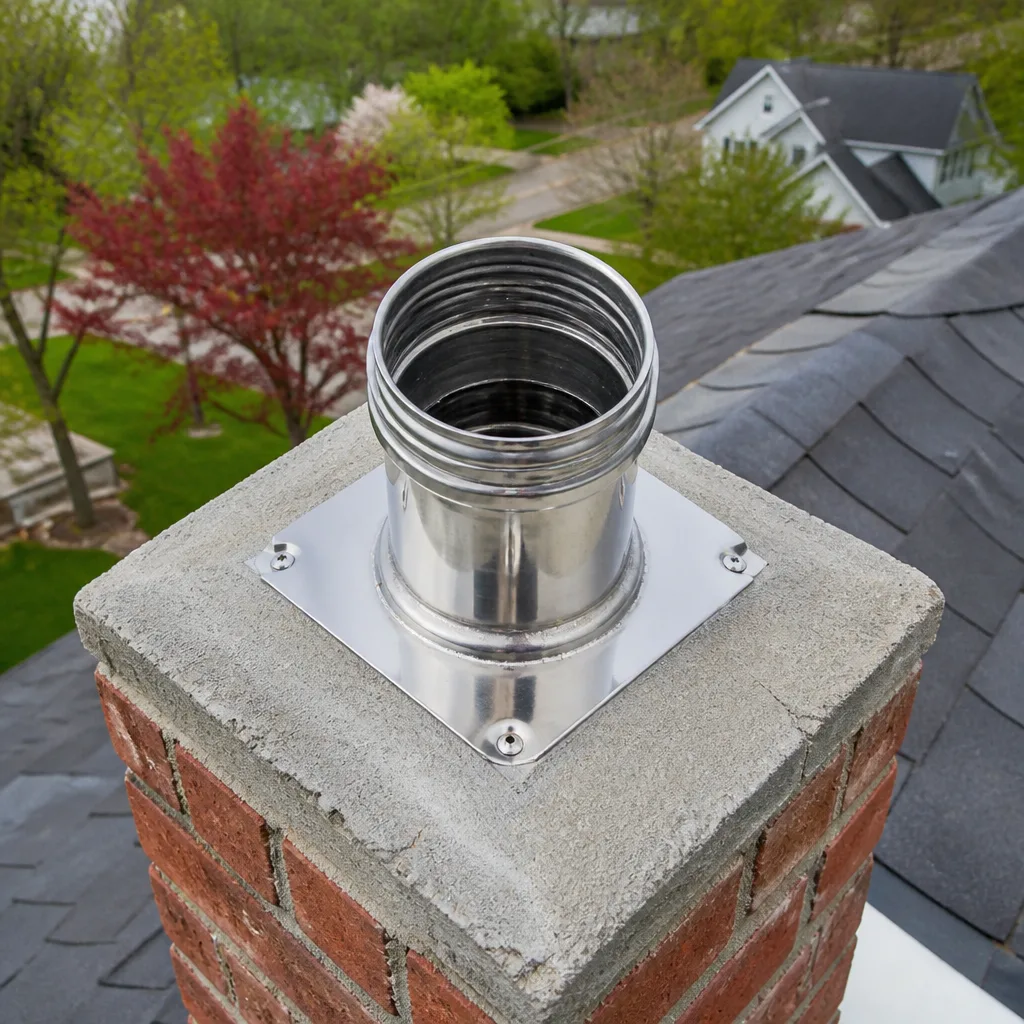
None of these means the flue is beyond saving. It means it needs to be looked at with a camera, because what you can see from the firebox is only the bottom of the picture. That’s also where our material choices matter. When a flue needs resurfacing, we use HeatShield, a repair-grade product that can restore damaged flue tile without full relining. When the flue needs a new liner, we work with DuraFlex flexible stainless systems, which fit irregular flues that other companies decline to touch. The right answer depends on what the camera shows, not on what’s easiest to sell.
How to Log and Track Your Chimney Year Over Year
A chimney log sounds fussy until you realize a professional can spot a trend in three years of notes that no single inspection could show. A crack that’s growing, a damper that’s getting harder to move, a stain that’s spreading: those are trends, and trend data changes the recommendation. Here’s how to keep a simple log that actually helps:
- Start with a page per year. A notebook or a notes file is fine. Date every entry.
- Record your observations, not your diagnoses. Write “cap screen bent after storm” rather than “cap needs replacing.” Let the professional decide what work is needed.
- Note burn activity. Roughly how many fires this season, and what you burned (seasoned hardwood, manufactured logs, etc.). Burn volume is a big driver of how often you need a sweep.
- Note weather events. Any major storm, long rainy stretch, or wind event that touched the chimney.
- Keep the paperwork. File the sweep report, the camera footage, and any work receipts together. When a future technician asks about the liner, the answer is in the folder, not in your memory.
- Compare before each season. Read last year’s entries before your pre-season check so you’re comparing against a baseline, not guessing.
We build a photo report into every sweep so your log has a visual backbone. Hand us three years of that report and we can tell you whether a crown crack is stable or spreading, whether a damper is degrading, and whether the flue is holding its condition. That’s the difference between maintenance driven by evidence and maintenance driven by guesswork.
How Often Does a Pasadena Chimney Actually Need Sweeping?
Most Pasadena homeowners should have their chimney swept and inspected once a year, timed to their actual burn habits rather than a fixed calendar date. Heavy users who burn often through the cooler months may need a sweep mid-season as well. Light users who light a handful of fires a year can sometimes stretch to a sweep every couple of years, but the annual inspection is still worth keeping.
The industry rule of thumb is that a chimney should be swept when soot and creosote build up to about an eighth of an inch in the flue. You can’t measure that from the firebox, which is why the sweep and the inspection travel together. Most homeowners don’t need us to sweep every visit; they need us to look every visit and sweep when the buildup justifies it.
Here’s how we’d time it locally:
- Before the first fire of the season for anyone who burns regularly. This catches summer pest and moisture intrusion before it becomes a fire hazard.
- After storm season for anyone with visible storm damage or a past leak. This is the inspection that catches crown and cap problems early.
- Mid-season only for heavy burners. If you’re burning most evenings through the cool months, a mid-season check is worth it.
- Before listing or buying a home if the chimney hasn’t been checked recently. A camera report gives you and your buyer a clear picture.
A typical sweep in Pasadena runs as a flat-price service agreed before booking, and it includes the camera inspection and the photo report. If you want a quick read on your own situation, our chimney repair and sweep teams can look at the flue and tell you plainly whether it needs a sweep this year or can wait.
The Exterior System: Crown, Cap, Flashing, and Chase Cover
Pasadena’s weather works on the outside of a chimney at least as hard as fire works on the inside. The crown, cap, flashing, and chase cover (for prefab chimneys) are the parts that keep weather out, and they’re where our climate does the most damage. Most of the chimney repairs we see locally trace back to one of these four components failing.
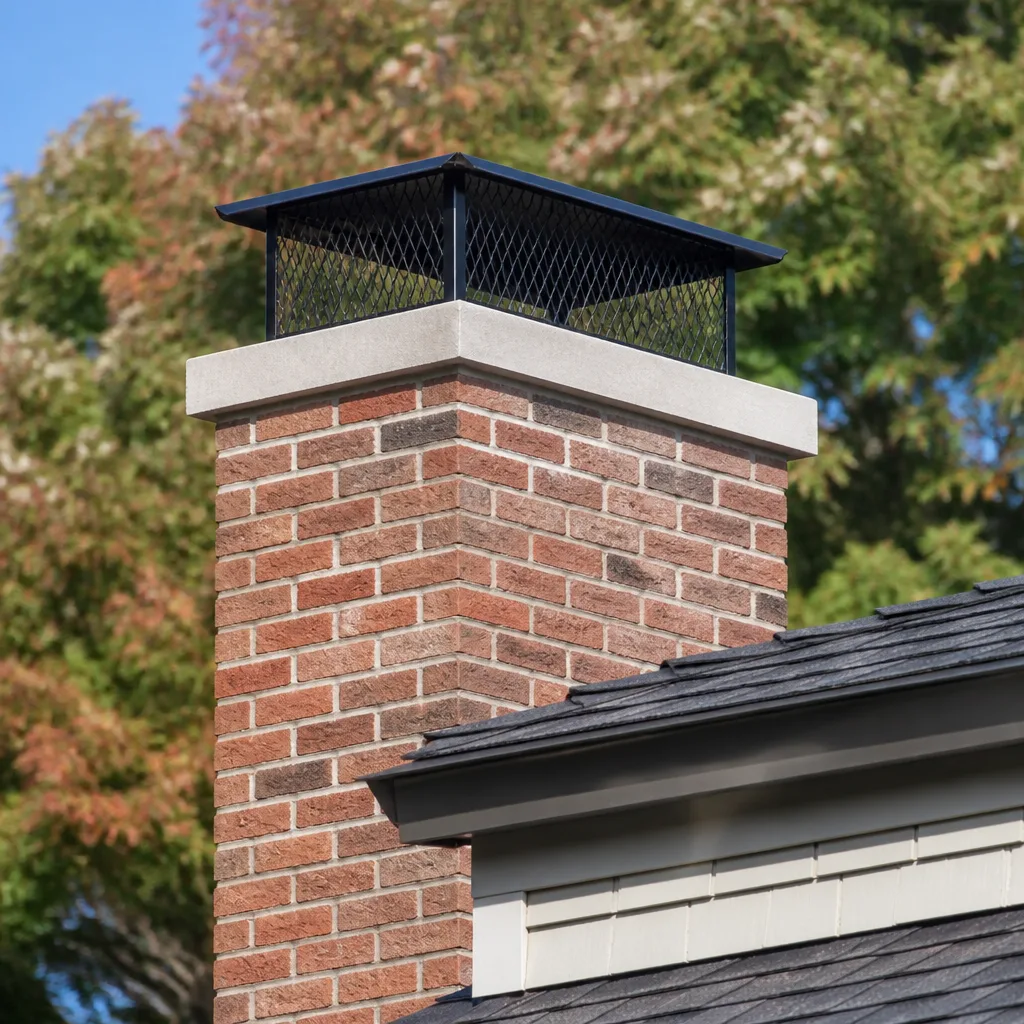
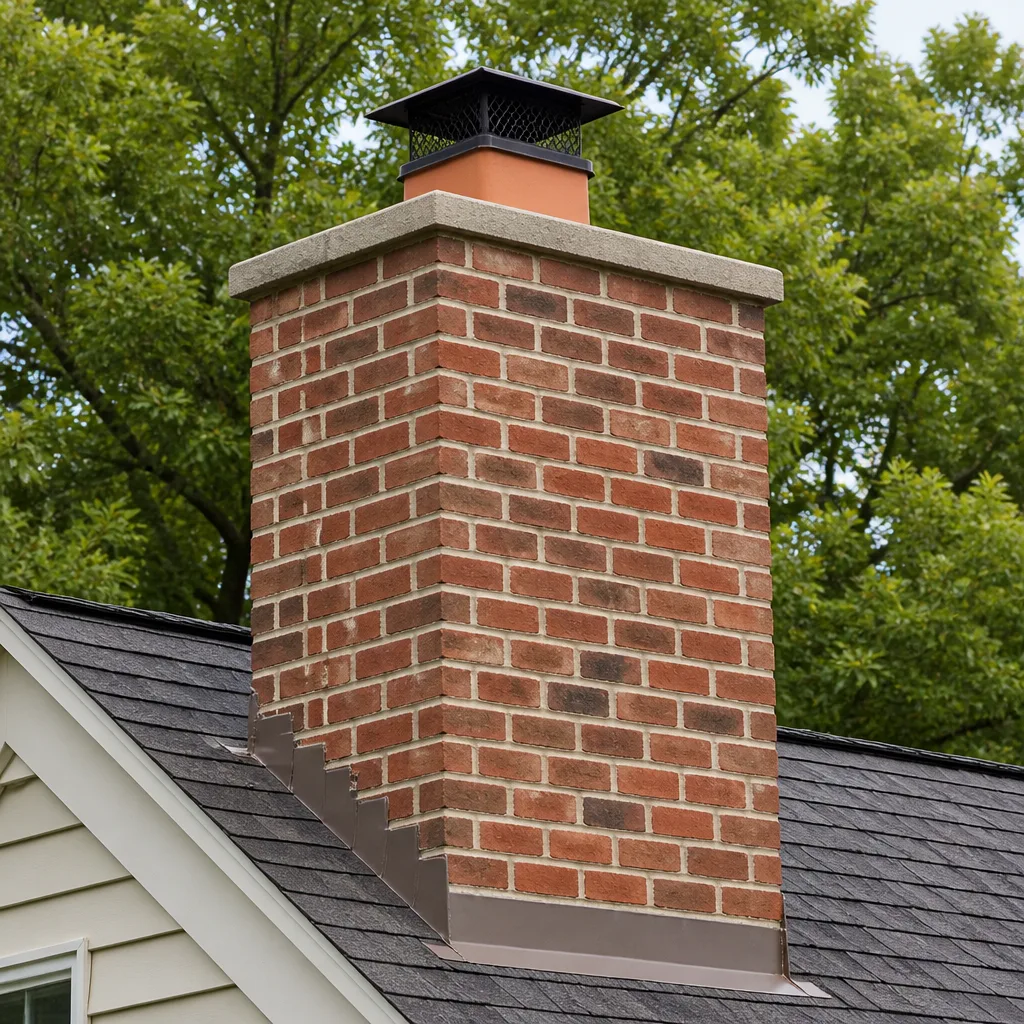
The crown is the concrete or masonry surface at the top of the chimney that sheds water away from the flue. When it cracks, water runs toward the flue instead of away. A cap or cover keeps rain and animals out of the flue opening; a missing or damaged one is an open door. Flashing is the metal seal where the chimney meets the roof, and it’s a common leak path when it lifts or rusts. A chase cover caps a prefab chimney, and wind can work it loose.
We work with exterior components from makers like Olympia Chimney and Copperfield so that when a part needs replacing, we’re installing the same professional-grade hardware used on new installations. That covers the full exterior system, not just the flue. Regular exterior checks, especially after storm season, are what keep a small crown crack from becoming a firebox full of water.
Common Mistakes to Avoid
- Treating the annual sweep as the whole checklist. A sweep only handles what’s inside the flue. In Pasadena, the exterior crown, cap, and flashing are where the damage usually starts, and a sweep won’t catch a cracked crown.
- Skipping the post-storm inspection. Storm season is when most local chimney damage happens, and a lot of it is invisible from the ground until it’s a leak. Check after big storms, not just in the fall.
- Burning unseasoned or “free” wood. Green or damp wood smolders and builds creosote faster. In our humidity, wood left uncovered soaks up moisture between burns and causes problems all season.
- Ignoring a musty smell. A damp smell from the firebox in humid weather is a moisture signal, not a quirk. It usually means water is getting in somewhere and needs to be found.
- Climbing the roof yourself. Pasadena roofs on pitched or older homes are a real fall hazard, and you can’t safely assess a flue from a ladder anyway. Leave the roof work to a professional.
- Letting a minor crack wait until it’s a major repair. A hairline crown crack repaired early is a small job. Left through a couple of storm seasons, it becomes a leak that damages the firebox and the ceiling.
- Not keeping records. Without a log, every inspection starts from scratch. With a few years of notes, a professional can spot trends and tell you what’s actually deteriorating versus what’s just aging normally.
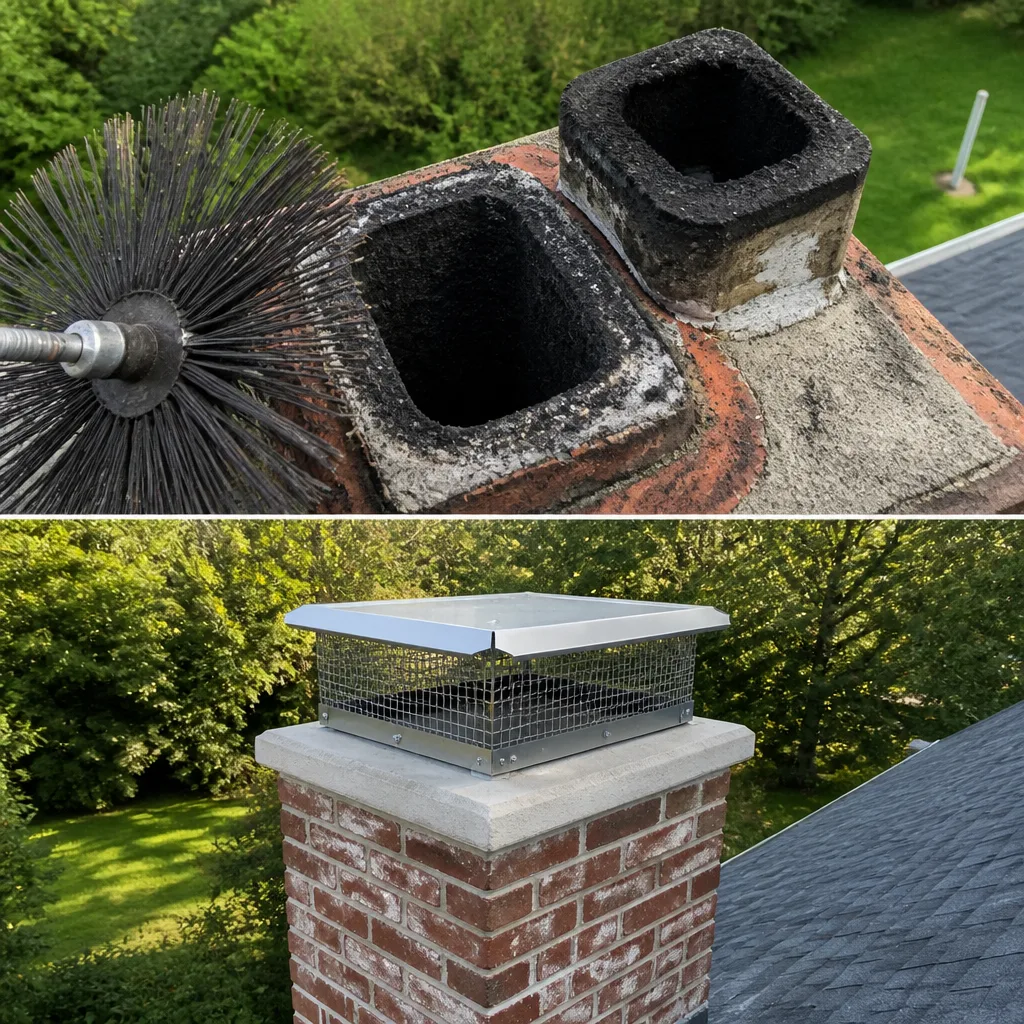
See the difference
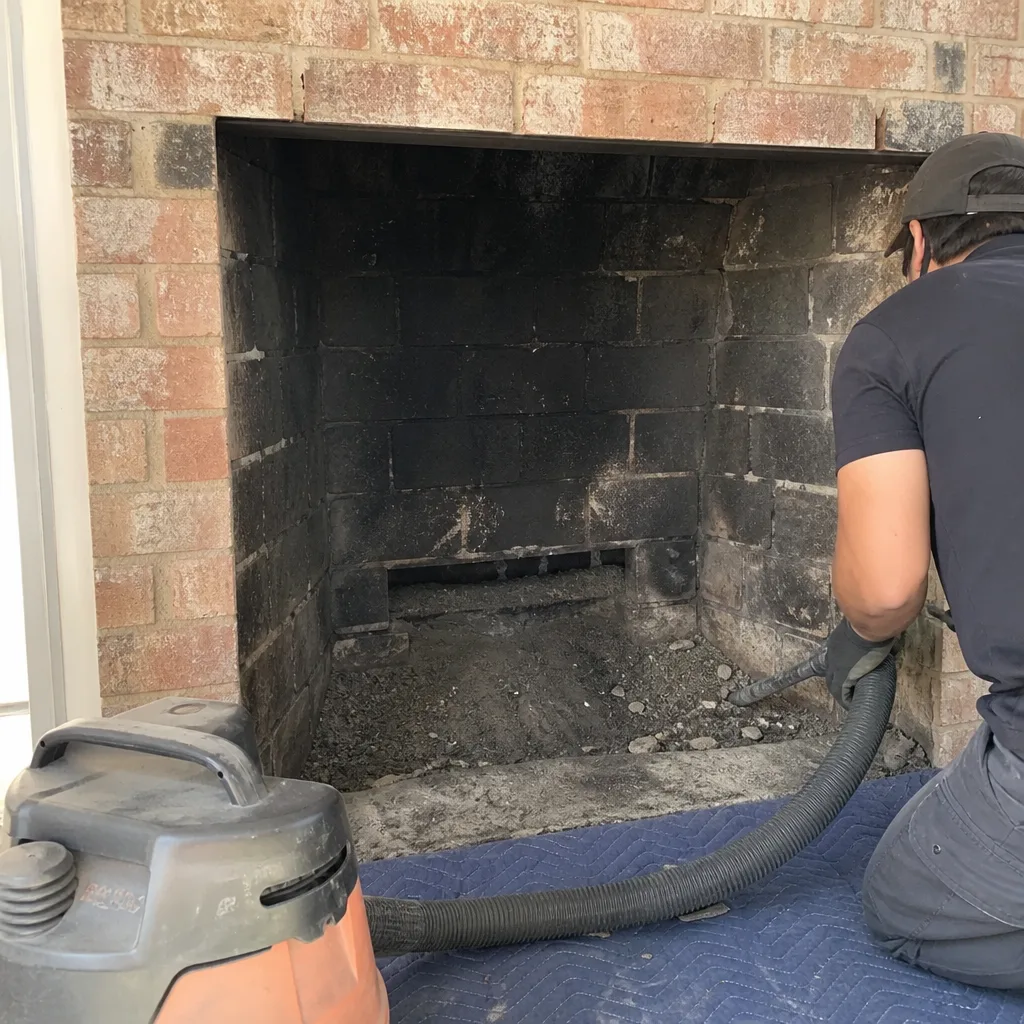 Before
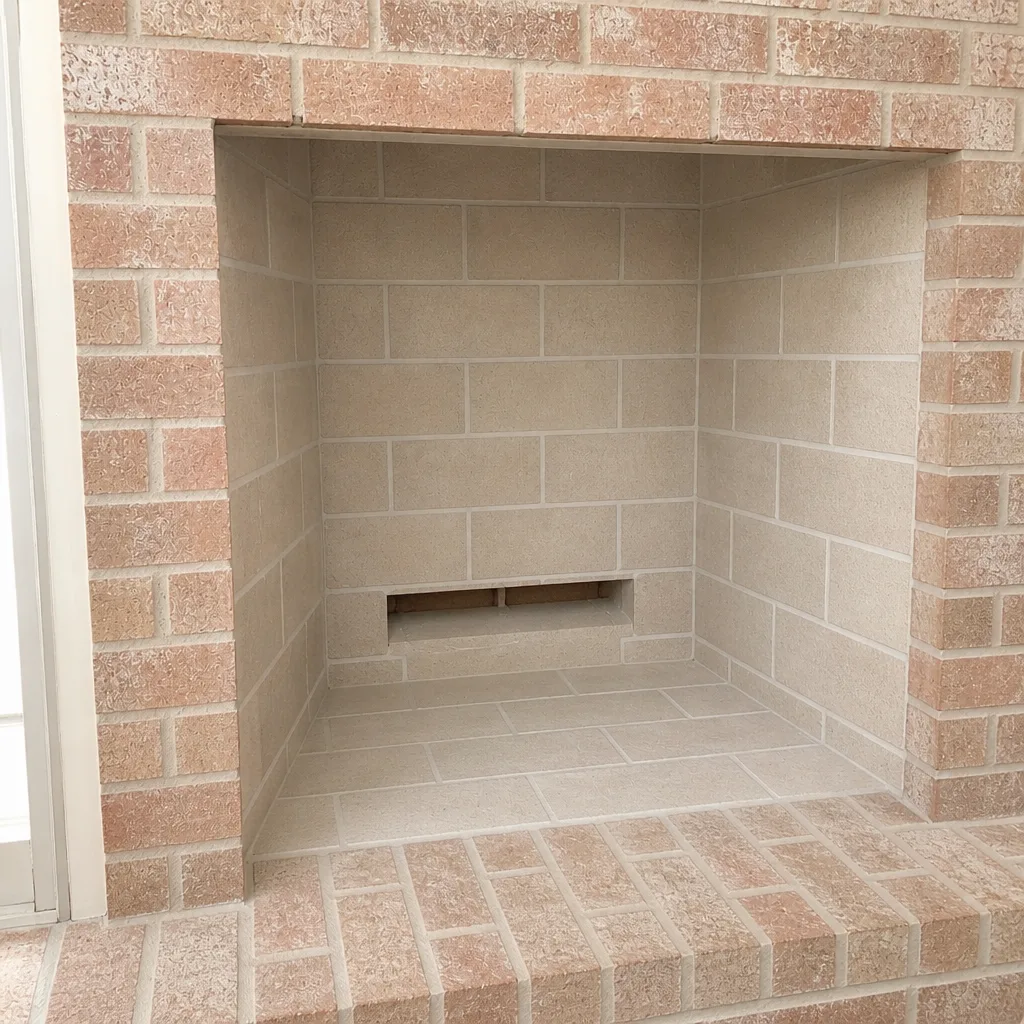 After
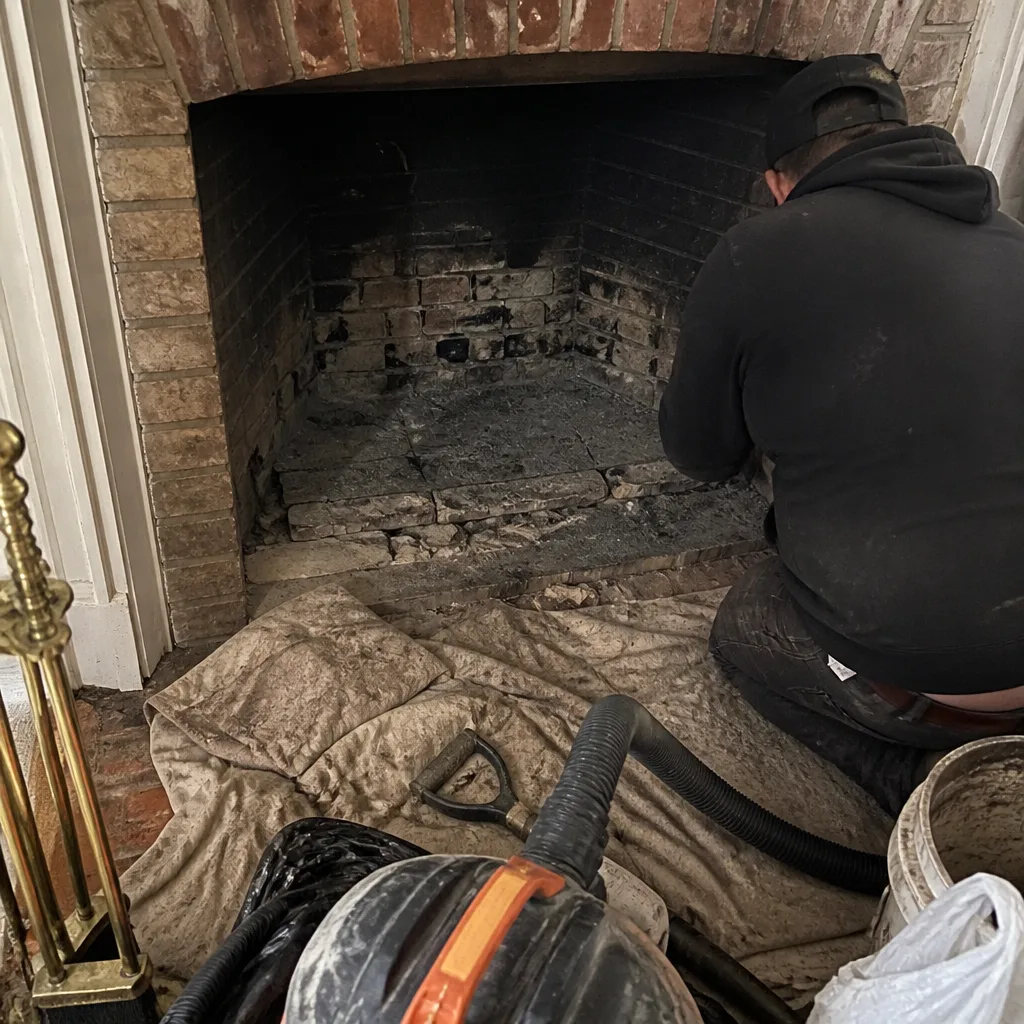 Before
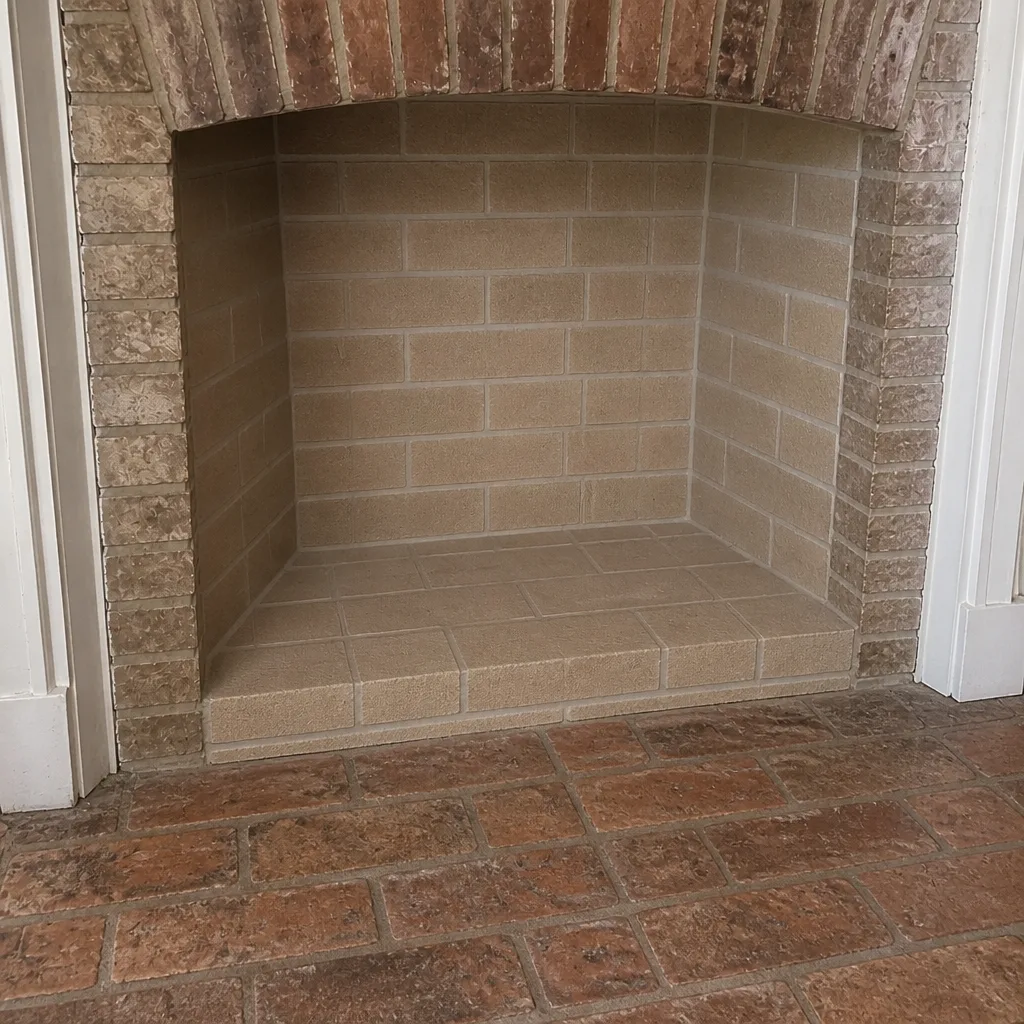 After
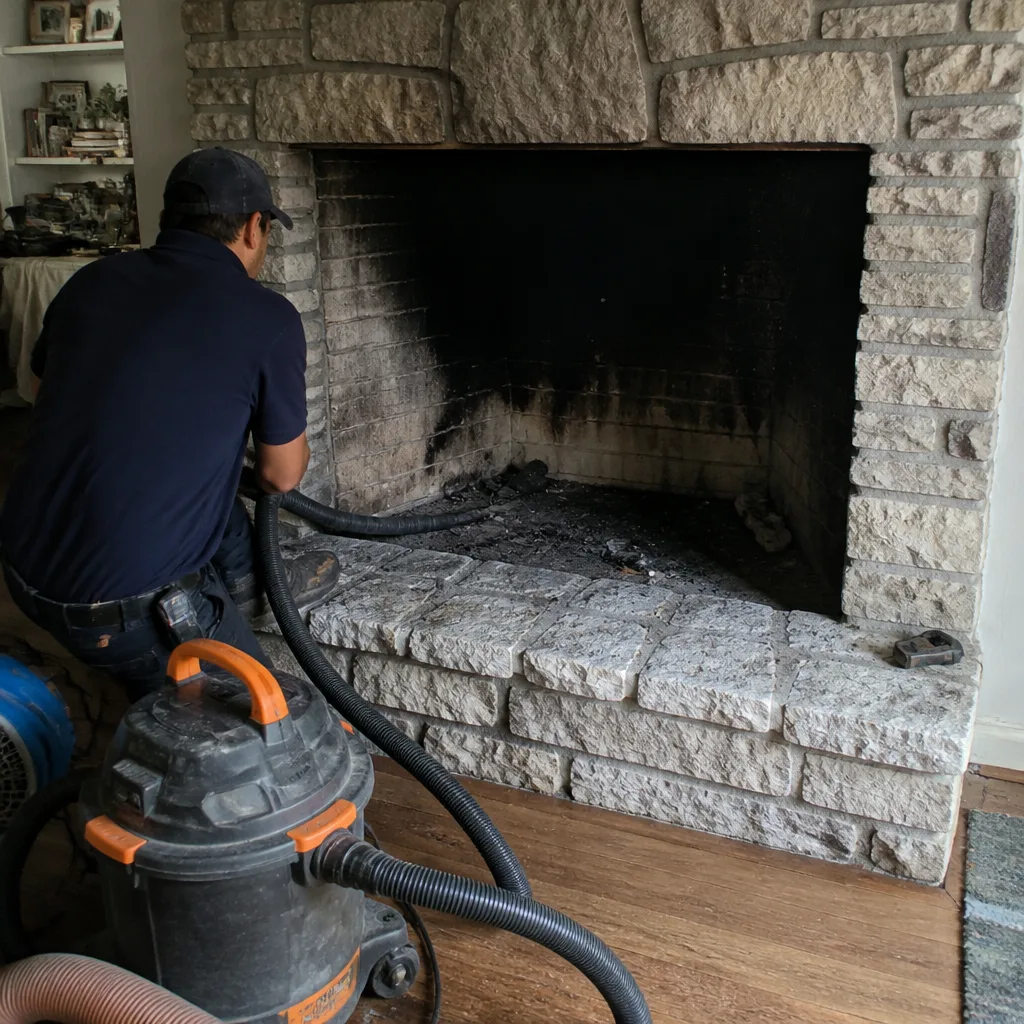 Before
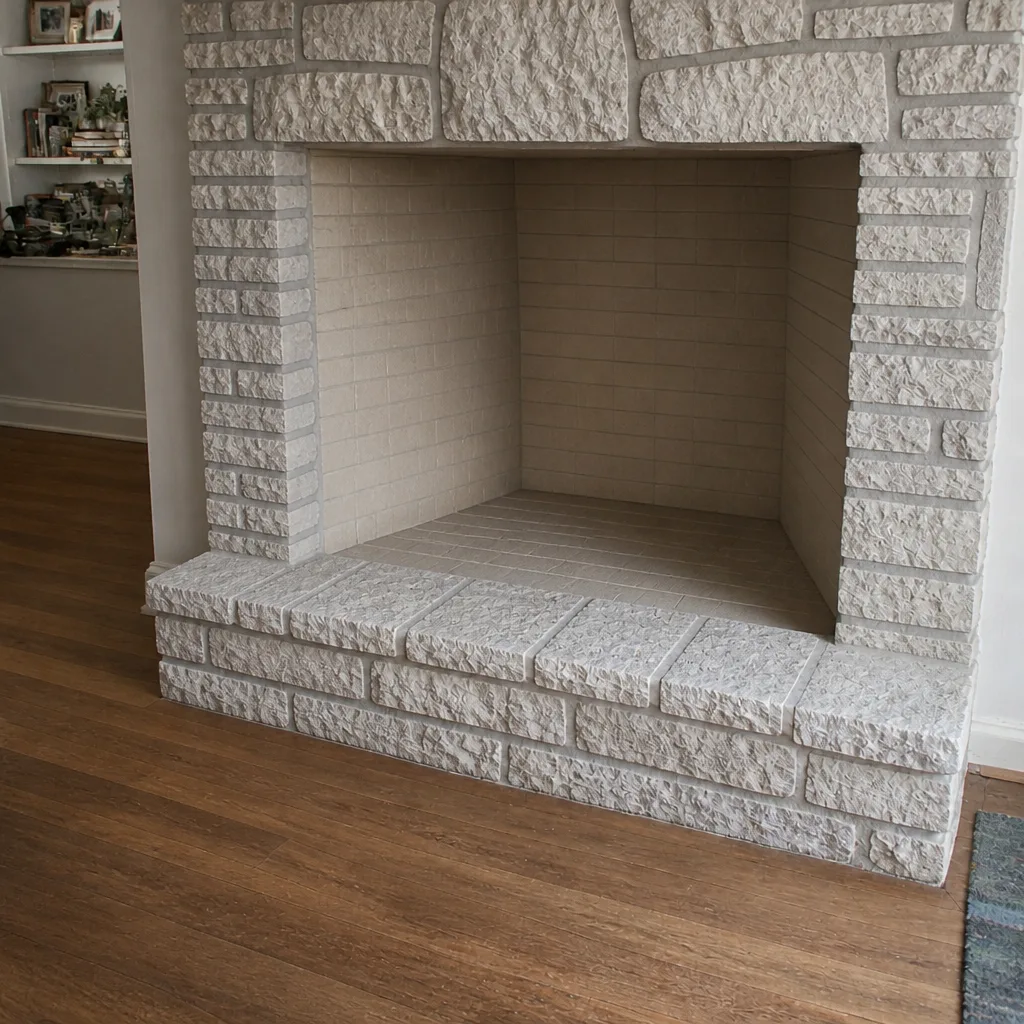 After
When to Call a Professional
Some situations call for a professional immediately rather than at your next scheduled visit. Call us when you see new water staining on the ceiling or walls near the chimney, when you hear animals in the flue, when the damper won’t open or seal, or when the firebox shows rust or broken brick. Call after any major storm that touched the roofline, and call before the first fire of the season if you can’t remember the last time the flue was checked. And call any time a fire burns poorly, drafts smoke into the room, or smells sour between burns; those are signals the flue needs a look. Remington Chimney Sweep offers free estimates in Pasadena. Call (833) 334-7488. We answer 24/7. Fast dispatch from 7am to 7pm, Sunday through Friday.
Frequently Asked Questions
Most Pasadena homes need a chimney sweep and inspection once a year, timed to actual burn habits. Heavy burners may want a mid-season sweep as well, while light burners can sometimes stretch to a sweep every couple of years but should keep the annual inspection. The real rule is buildup: once soot and creosote reach about an eighth of an inch in the flue, it’s time. Call (833) 334-7488 for an exact quote. Estimates are free.
In colder climates, the driver is creosote from long, heavy burn seasons. In Pasadena, moisture and storm damage do more of the damage because the chimney spends most of the year idle and exposed to Gulf humidity and wind-driven rain. That’s why a local checklist gives equal weight to the exterior crown, cap, and flashing and to post-storm inspection, not just to the annual sweep.
You can safely look, listen, and log. Check the cap and crown from the ground, test the damper from the firebox, watch for rust, white staining, and pests, and record what you see. You cannot safely climb the roof, reach into the flue, or assess the liner yourself. Those need a trained professional with a camera. Call (833) 334-7488 and we’ll show you the footage from your own flue.
Watch for white, chalky staining on brick, rust in the firebox or on the damper, a persistent damp smell in humid weather, and chipped or spalling flue tile you can see from the firebox. Any of these suggests moisture is working on the liner. A camera inspection is the only way to confirm, and it’s included with our sweeps. Call (833) 334-7488 for an exact quote on an inspection.
Yes, and usually sooner than most homeowners expect. A missing cap or a cracked crown lets rain straight into the flue, which drives rust, spalling, and interior leaks, and can turn a small repair into a full relining. We install caps, crowns, and covers from makers like Gelco and Famco so the repair holds. We’ll tell you what your chimney needs and what it doesn’t. Estimates are free, so call (833) 334-7488.
A musty smell in the summer almost always means moisture is trapped in the flue, often because a cap, crown, or flashing issue is letting water in during humid weather. It can also mean soot residue is holding humidity against the tile. Either way, it’s worth a professional look before the fall. Call (833) 334-7488. We answer 24/7, with fast dispatch from 7am to 7pm, Sunday through Friday.
The Bottom Line
A chimney maintenance checklist for Pasadena has to be built around our climate, not a national template. The four pillars are a pre-season check for pest and moisture intrusion, a professional sweep and inspection timed to your actual burn habits, a post-storm inspection after hurricane season for crown, cap, flashing, and chase cover damage, and a simple written log so a professional can spot trends instead of just the current state. Most of what goes wrong here starts with water, and most of it is preventable with a yearly look and the right materials. Keep the water out, sweep when the buildup justifies it, and log what you see.
If it’s been a while since anyone looked at your flue, or you’re not sure what you’re seeing, give us a call. Remington Chimney Sweep covers the full sweep, repair, and inspection scope in one company, with professional-grade materials from makers like Gelco, Famco, and Olympia Chimney. Call (833) 334-7488 for a free estimate. We answer 24/7. Fast dispatch from 7am to 7pm, Sunday through Friday.
Written by the team at Remington Chimney Sweep.