
Last updated November 15, 2026
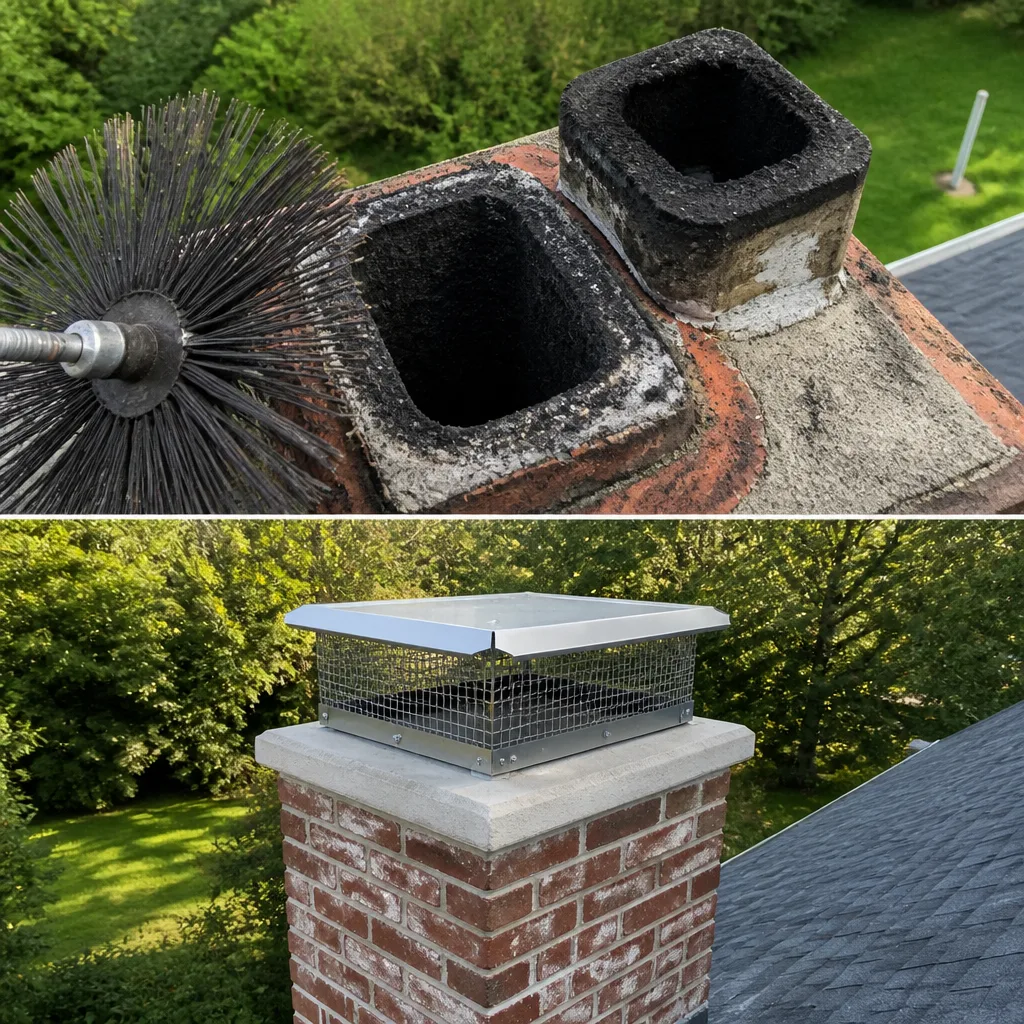 Sweep & inspection
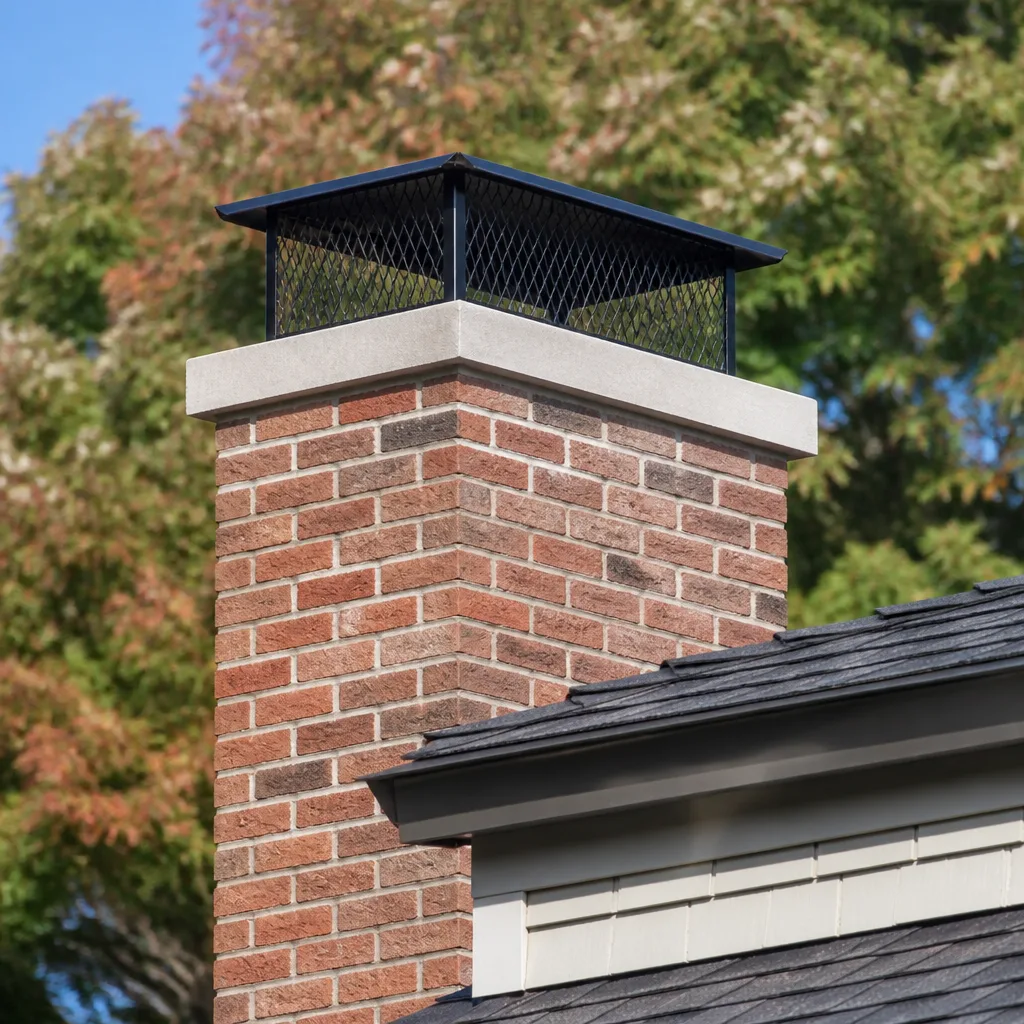 Caps & crowns
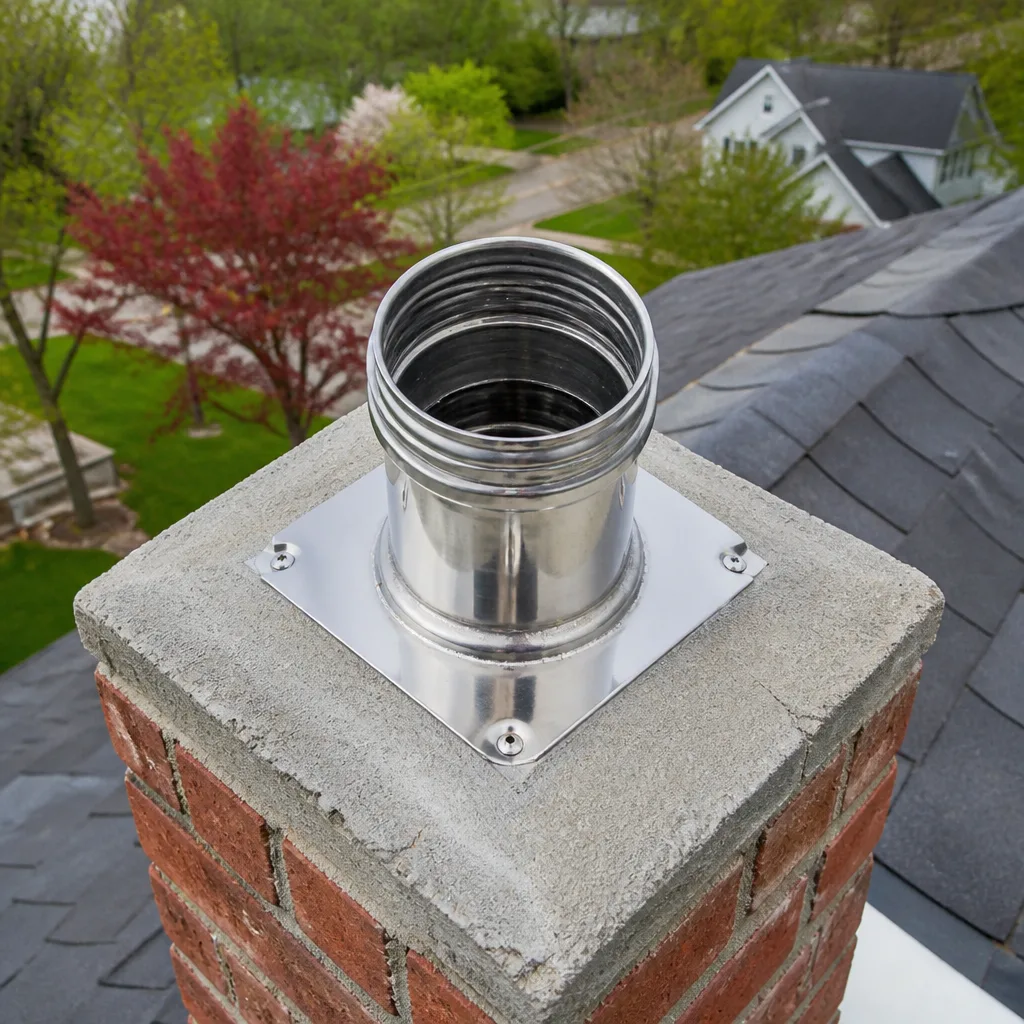 Flue relining
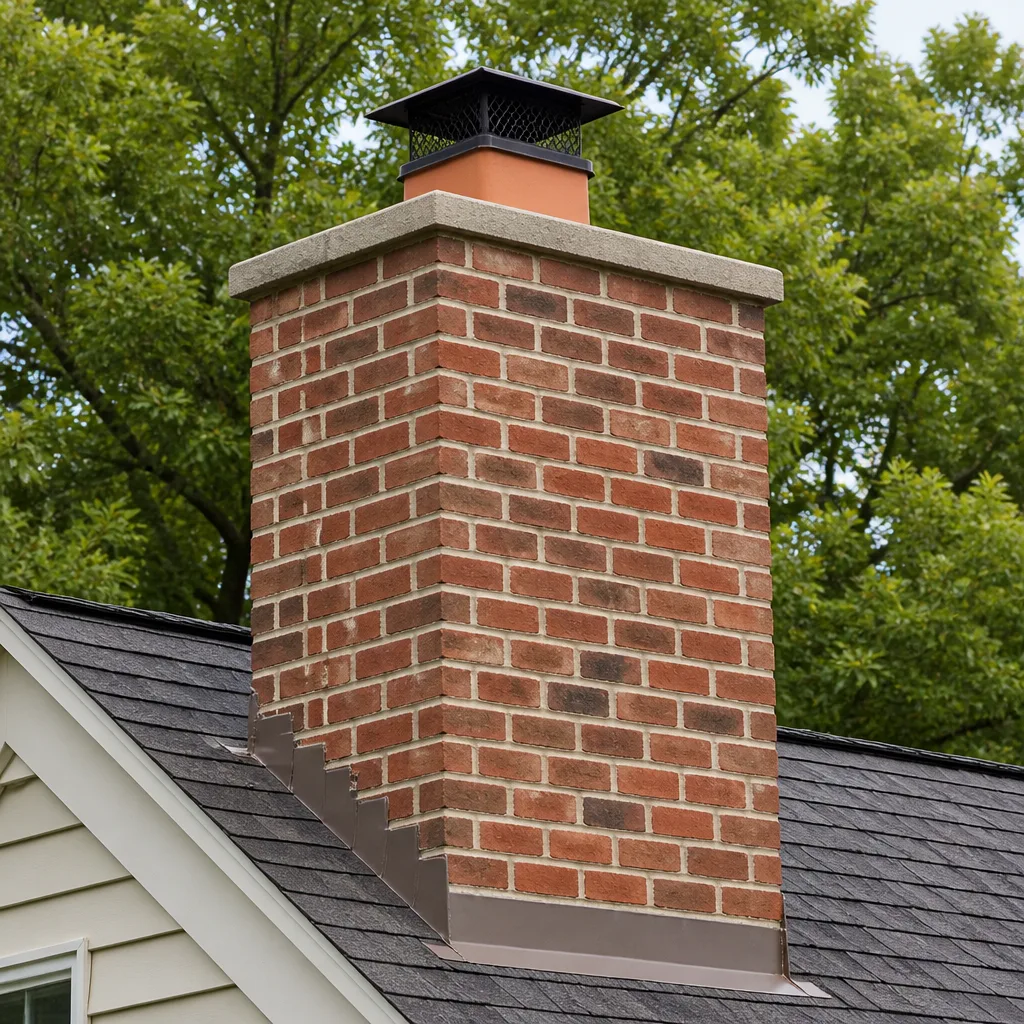 Masonry repair
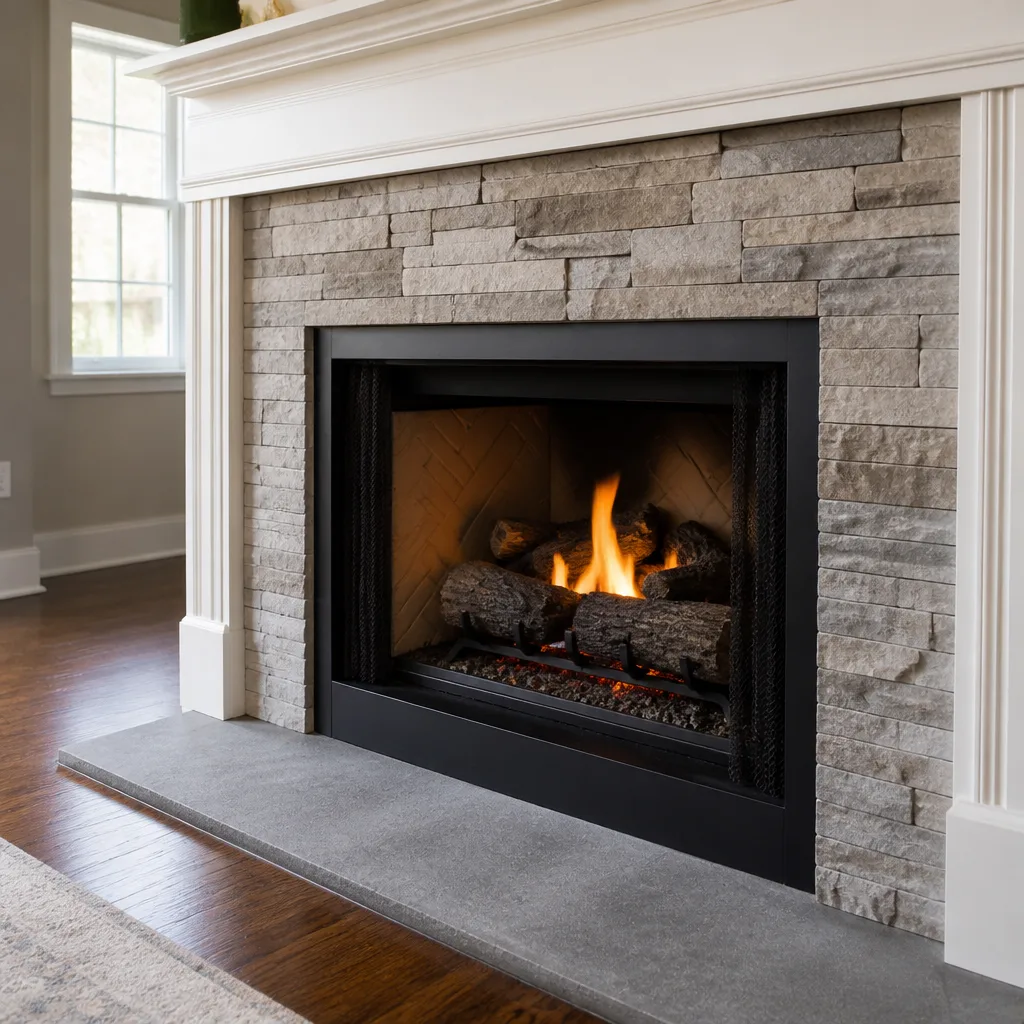 Gas fireplace service
Level 1 sweep and inspection to the NFPA 211 annual standard - flue, crown, cap, and flashing checked and photographed
Chimney sweep logs do not sweep chimneys. They loosen some creosote - which then falls where a brush and vacuum still have to collect it.
Choosing the Right Chimney Cleaning Brand: A Buyer’s Guide for Pasadena
Most homeowners never ask what brand of liner, cap, or sealant is being installed in their chimney. They ask what it costs and when the technician can come out. That silence has a price: when a cheap crown coat fails after two summers, or a generic liner doesn’t hold up to a Pasadena heating season, the homeowner has no warranty to lean on and no clear standard to judge the work against. The brand on the box is often the difference between a repair that lasts and one you pay for twice. This guide explains which chimney products actually matter, how to tell specification-grade materials from supply-house substitutes, and the exact questions to ask a contractor before they touch your flue.
Quick Answer
The right chimney cleaning company is the one that tells you which liner, cap, crown coating, and sealant they plan to install, in writing, before work starts – and can explain why those products suit your flue and your climate. A company that specifies materials up front is accountable for the result; one that specifies nothing leaves you with no way to verify quality, check a warranty, or hold anyone to a standard when something fails early.
Styles & brands we work with
- Sweep & inspection
- Caps & crowns
- Flue relining
- Masonry repair
- Gas fireplace service
Table of Contents
- Why the Materials in Your Chimney Matter as Much as the Installer
- The Four Product Categories Where Specification Actually Matters
- What Specification-Grade Chimney Products Look Like in Practice
- How to Ask a Contractor What Materials They Use – and Read the Answer
- What Performs in Pasadena’s Heat, Humidity, and Coastal Proximity
- Why a Contractor Who Specifies Materials in Writing Is a Different Kind of Business
- A Look at the Brands Chimney Professionals Actually Specify
- Matching the Product to the Problem
Why the Materials in Your Chimney Matter as Much as the Installer
A chimney is a small building inside your house. It takes heat on the inside, weather on the outside, and chemical exhaust in between. When something fails, it usually isn’t the sweep’s brushwork that gives out – it’s a liner that was never rated for the flue, a crown coating that cracked at the first hard temperature swing, or a cap that rusted through because it was made from thin steel. The installer matters, no question. But the installer is only as good as what they put in.
In the Pasadena market, and really across the wider Houston area, plenty of chimney work gets done with whatever the supply house had on the shelf that week. That’s not a knock on any one company. It’s an honest description of how the trade often runs when materials are treated as a line item rather than a decision. The homeowner rarely sees the box, and often doesn’t see the invoice detail either.
Here’s the practical consequence. If a DuraFlex liner is installed and something goes wrong, there’s a manufacturer behind it, a known product family, published performance data, and a warranty trail. If a no-name liner is installed and something goes wrong, you have a phone number for a contractor and a conversation that goes nowhere.
Good chimney work starts with understanding the system you have. If you’re at the beginning of that process, our Remington Chimney Sweep overview is a reasonable place to see how sweep, repair, and inspection fit together as one scope of work.
The Four Product Categories Where Specification Actually Matters
Not every part of a chimney is a material decision. Brushes and vacuums don’t matter much to the homeowner. But four categories do – these are the places where brand, rating, and warranty have real consequences.
1. Flue liners
The liner is the pipe inside the chimney that carries exhaust out of the house. It’s the single most important material decision in any relining job. Flexible stainless liners, like those from DuraFlex, are a common choice for flues that aren’t perfectly straight or round – which is most of them. The liner has to be sized correctly for the appliance and rated for the fuel being burned, and the brand matters because the warranty and the performance testing travel with it.
2. Chimney caps
The cap sits on top and keeps rain, animals, and debris out of the flue. A cheap cap is a rust problem waiting on a Gulf Coast summer. Brands like Copperfield and Olympia Chimney make caps designed with proper ventilation gaps and stainless or coated construction that holds up. If a contractor won’t tell you what cap they’re using, they’re likely using the least expensive one available.
3. Crown coatings and sealants
The crown is the concrete cap at the top of the masonry chimney. It cracks, and when it cracks, water gets into the chimney structure. A crown coating is only as good as the material, and the good ones are formulated to flex with the masonry instead of cracking away from it. Generic caulk labeled “crown seal” is a very different product from a properly formulated crown coating.
4. Firebox and flue sealants
Sealants at the firebox and flue joints keep smoke and gases where they belong. Heat-rated sealants are a real category, and the difference between a heat-rated product and standard mortar or caulk shows up after a season or two of use. If a repair is being sealed, the sealant should be named.
What Specification-Grade Chimney Products Look Like in Practice
“Specification-grade” isn’t a marketing term we invented. It describes products that a professional can specify – meaning they come with published performance criteria, recognized certifications, and warranty terms that survive a call to the manufacturer. When we say we specify professional-grade materials on every job, that’s what we mean.
Here’s how to tell the difference in real terms:
- Published performance data. Specification-grade liners and components carry ratings for temperature, fuel type, and installation method. A contractor should be able to point to those ratings, not just say “it’s the good stuff.”
- Recognized listings. Professional-grade chimney products are listed by recognized testing bodies. Generic alternatives often aren’t, or the listing doesn’t match how the product is being used.
- Real warranty terms. A specification-grade liner comes with a manufacturer warranty that a homeowner can read and understand. If the contractor can’t show you the warranty, the product probably doesn’t have one worth showing.
- Specification sheets. The best contractors keep manufacturer specification sheets on hand for the products they install. If you ask what liner is going in and they can’t produce a spec sheet, you have your answer about their standard.
- A consistent product family. When a company uses HeatShield for resurfacing, DuraFlex for relining, and Gelco or Famco for caps and covers, that consistency signals a material standard rather than a one-off purchase.
None of this is exotic. It’s how professional trades buy materials in every other part of construction. Chimney work just became the last trade where homeowners are expected to trust the box without seeing it.
How to Ask a Contractor What Materials They Use – and Read the Answer
The good news is that you don’t need to become a chimney expert to evaluate a contractor’s material standard. You need to ask a handful of specific questions and listen for how the answer comes back. Here’s a sequence we recommend, in order:
- Ask what brand of liner they’d use and why. A contractor with a material standard answers immediately and names the product. A contractor who buys whatever is available says something like “we use whatever fits” or “it depends on the supplier.”
- Ask for the warranty in writing. Specification-grade products come with a manufacturer warranty. If the contractor says the warranty is “their own,” ask what it covers and for how long. Vague answers are the answer.
- Ask what cap they’re planning to install. If the cap isn’t being named, it’s being sourced from whatever is cheapest. Brands like Copperfield and Olympia Chimney exist because professionals specify them.
- Ask if they can show you a specification sheet. This is the test. A contractor who works with professional-grade materials keeps spec sheets. A contractor who doesn’t will be surprised by the question.
- Ask what they recommend and what they don’t. A good contractor will tell you when your chimney doesn’t need work. If every conversation ends in a recommendation to reline, that tells you something about how the business operates.
- Ask them to put the materials in the written estimate. This is the closing move. A written estimate that names the liner, cap, and sealant is a fundamentally different document from one that says “chimney repair – $X.”
If you want a baseline on what an inspection should cover before these questions come up, our chimney sweep page describes what the visit actually involves. It’s a useful frame for the conversation.
What Performs in Pasadena’s Heat, Humidity, and Coastal Proximity
Pasadena sits in a part of Texas that asks a lot of exterior building materials. Summers are long and hot. Humidity is high for most of the year. And the proximity to the coast means airborne moisture carries a bit more than it would further inland. None of this is extreme by national standards, but it’s consistent, and consistent conditions are what wear materials out.
What that means for chimney products:
- Caps and exterior metal components need to be stainless or properly coated. Thin galvanized steel that performs fine in a dry climate will rust through in a Gulf Coast humidity cycle. This is one of the places where the brand on the box really matters, and it’s why we source caps and covers from Famco, Gelco, and Copperfield.
- Crown coatings need to flex with masonry that expands and contracts across a long hot season. A rigid coating cracks. A properly formulated one moves with the concrete.
- Liners need to be sized and installed so that humidity in the flue between burning seasons doesn’t undermine the joint. Flexible stainless systems handle this well when the installation is done right.
- Sealants need to be heat-rated and designed for the humidity swings that happen in the Houston area. Standard construction sealant is not the same product.
For homeowners in Pasadena neighborhoods like Deer Park-adjacent areas, the older housing stock near downtown, and the newer builds toward Beltway 8, the climate challenges are the same – the chimney system just has different starting points. If you want local context on how we approach work here, our Pasadena page covers the service area and the general approach.
Why a Contractor Who Specifies Materials in Writing Is a Different Kind of Business
The habit of writing down materials is not a small procedural detail. It reflects how a business thinks about accountability. A contractor who names the liner, cap, coating, and sealant in the estimate has done three things:
- Committed to a standard. Once the material is in writing, the contractor is on the hook for what’s delivered. Generic substitutes become a written breach, not a silent swap.
- Given the homeowner a verification tool. You can check the brand name, look up the warranty, and compare it to what arrives on the job. That’s a real check against being told you need thousands of dollars of work you can’t verify.
- Signaled that materials are a decision, not a purchase order. A company that chooses materials on purpose is usually a company that thinks about the job as a whole. The same discipline tends to show up in how they inspect, how they clean, and what they recommend.
We’ll tell you what your chimney needs – and what it doesn’t. That’s easier to say than to do, but it’s the standard. When a homeowner is told they need a full reline, we want them to have camera evidence they can watch with us, and we want them to be able to wait on anything that can safely wait. If a crown coating is enough for now, we say so. If a liner is genuinely the right call, we specify the product by name so the homeowner knows exactly what they’re buying.
If repairs are on the horizon, our chimney repair page describes how we scope a masonry or liner job from inspection through the finished repair. That’s also where HeatShield resurfacing gets explained – it’s a repair-grade product that can restore damaged flue tile without full relining, which is often the cost-effective middle path.
A Look at the Brands Chimney Professionals Actually Specify
We work with a curated roster of professional-tier brands: DuraFlex, HeatShield, Gelco, Olympia Chimney, Famco, and Copperfield. That’s not a list to impress you with. It’s the set of manufacturers whose products we trust to hold up in a Pasadena chimney and back up with published performance data and warranty terms.
What each one does in the system:
- DuraFlex – flexible stainless steel liner systems for relining jobs, including irregular flues that other companies decline to touch. This is a product line that lets a professional reline a chimney that would otherwise need demolition work.
- HeatShield – chimney resurfacing, a repair-grade product that restores damaged flue tile without a full reline. It’s the difference between a repair and a rebuild in many cases.
- Gelco and Famco – caps and covers. Together with Olympia, these give us the ability to address the full exterior chimney system: crown, cap, and the top of the flue.
- Olympia Chimney and Copperfield – caps, dampers, and related components used in chimney restoration work.
We cover the full chimney lifecycle in one call – cleaning, structural repair, and certified inspection – so homeowners aren’t coordinating multiple contractors for a single chimney problem. One company, every part of the chimney. The materials standard is part of what makes that possible.
Matching the Product to the Problem
The other thing specification-grade materials give you is a wider set of options. When the only tool is a full reline, that’s what gets recommended. When the contractor has HeatShield resurfacing, DuraFlex liners, and a full library of caps and crown materials available, the recommendation can actually fit the problem.
Here’s how the matching works in practice:
- Cracked flue tile, otherwise intact flue – HeatShield resurfacing is often a good fit. It restores the flue interior without removing the existing tile system.
- Failed or missing liner, irregular flue – a DuraFlex flexible stainless liner sized to the appliance is usually the right answer.
- Cracked crown – a proper crown coating, depending on the size and pattern of the cracks. If the crown is badly deteriorated, replacement is the honest recommendation.
- Missing or damaged cap – a Famco, Copperfield, or Olympia cap sized to the flue, in a material that will hold up in the Gulf Coast humidity.
- Drafting problems, smoke in the house – often a cap or flue height issue rather than a liner issue. The inspection determines which.
Our technicians have up to 14 years of experience with these systems. That’s technician experience, not a claim about the company. What it means for you is that when a problem is diagnosed, the recommendation is usually shaped by what will actually work rather than by what’s easiest to install.
Common Mistakes to Avoid
- Hiring on price alone. The lowest quote is usually the lowest material spec. In a Pasadena market where supply-house substitutes are common, a low bid is often the signal that the liner or cap hasn’t been chosen on purpose.
- Never asking what brand is going in. If the estimate says “chimney repair” with no material named, you have no way to check the warranty or hold the contractor to a standard when something fails.
- Accepting a same-day recommendation for a full reline without seeing the camera footage. Relining is sometimes the right answer. It should always be supported by footage the homeowner can watch with the technician.
- Skipping the sweep to save money before a repair. Repairing a dirty flue is a mistake. The sweep needs to happen first, and if a repair is recommended, the flue should be clean when it’s done.
- Letting a cracked crown go another season. Pasadena’s humidity does not wait. A crown crack lets water into the masonry, and masonry damage is a much bigger job than a crown coating.
- Assuming a cheap cap is fine. On the Gulf Coast, thin steel caps rust out. A better cap costs more up front and lasts, which is why specification-grade matters for this particular part.
- Not asking for the written estimate to include the materials. Verbal promises evaporate. What’s written down is what gets delivered, and what gets delivered is what you can hold a company to.
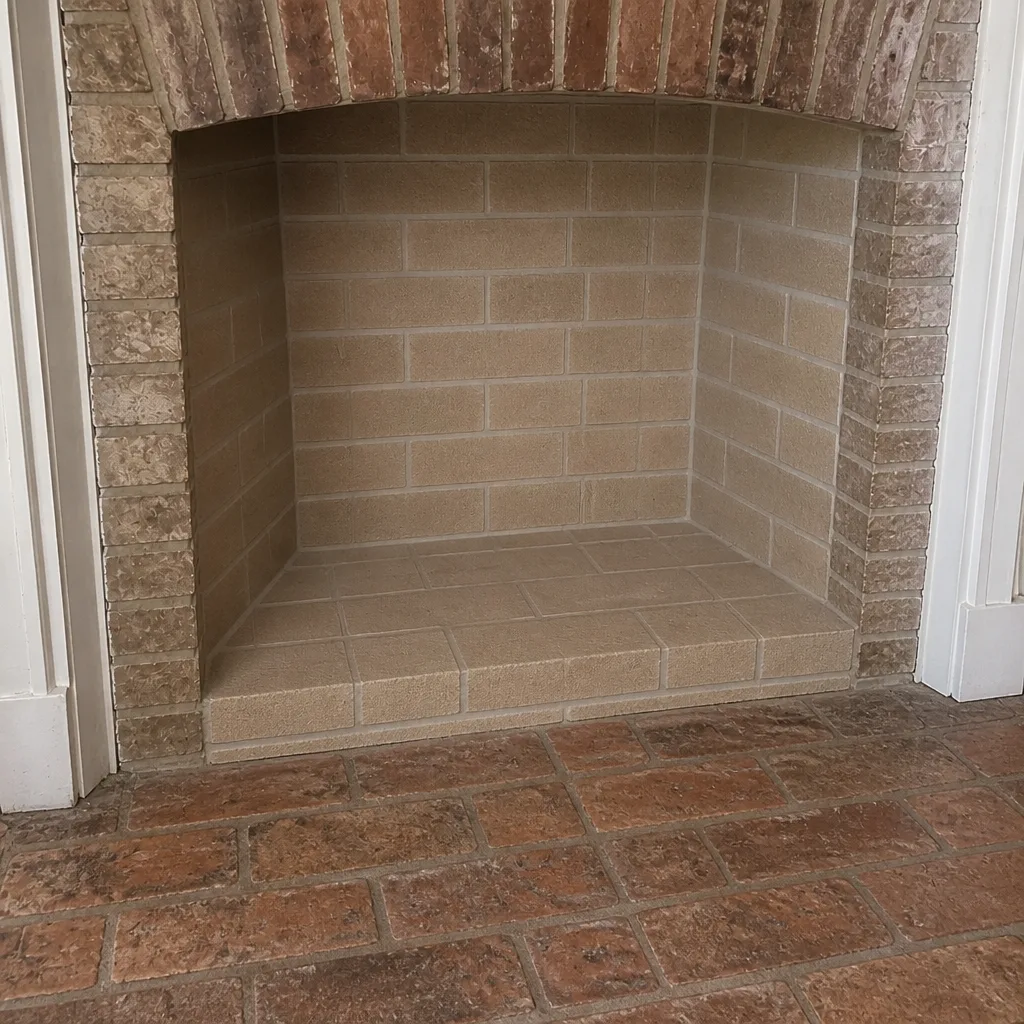
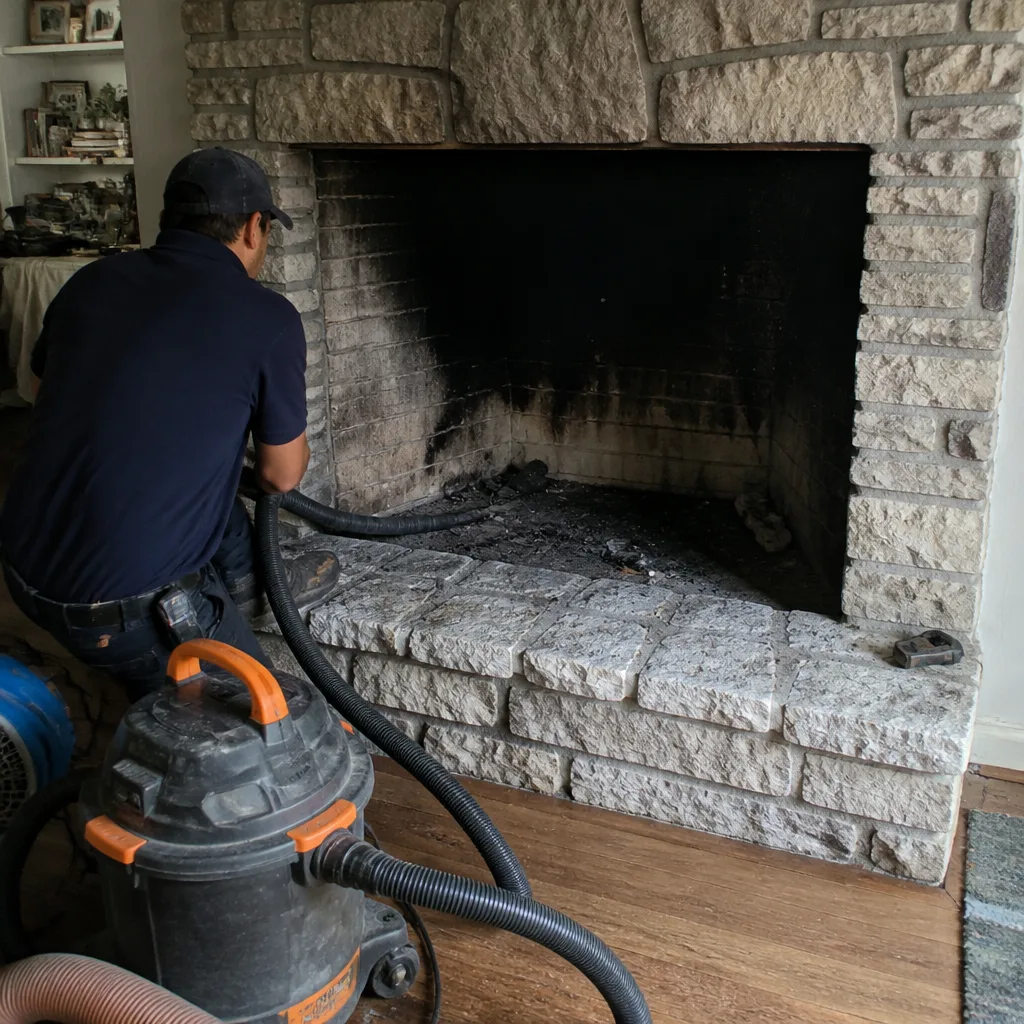
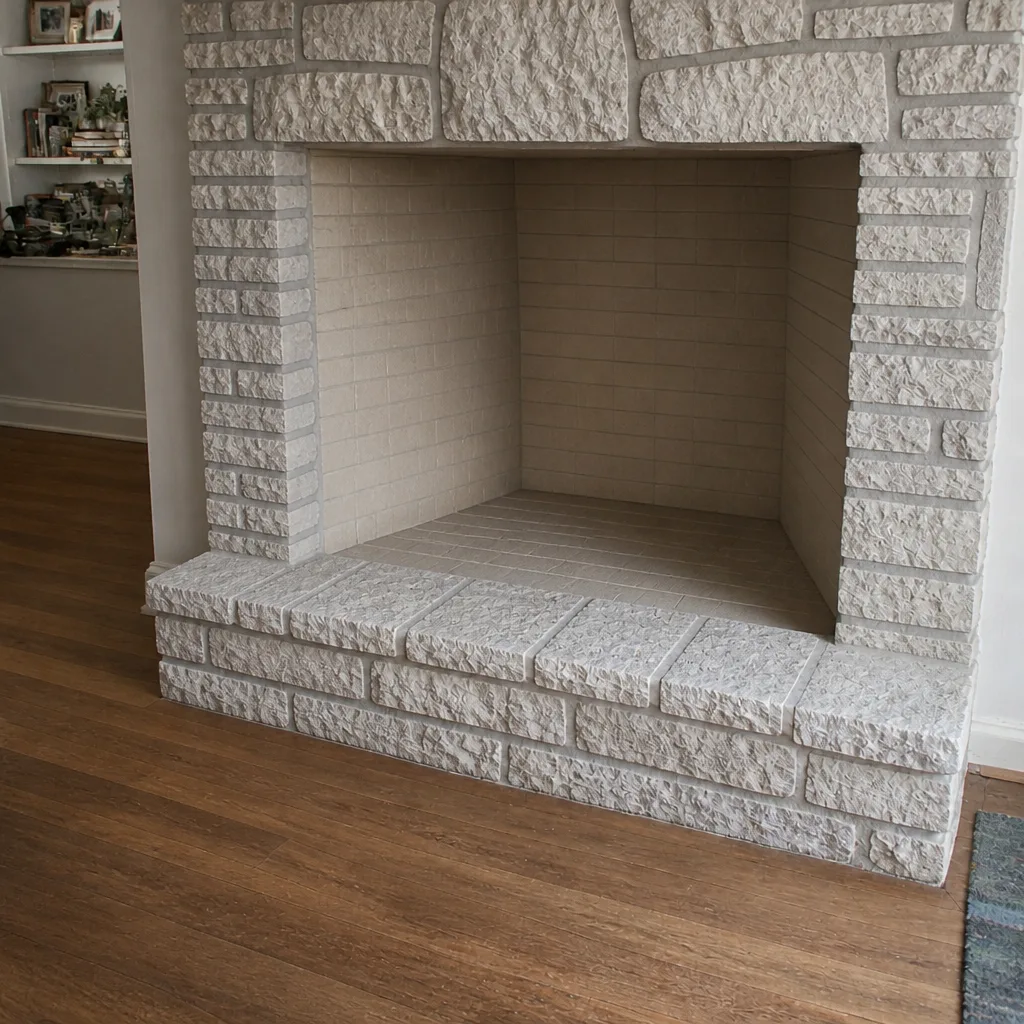
See the difference
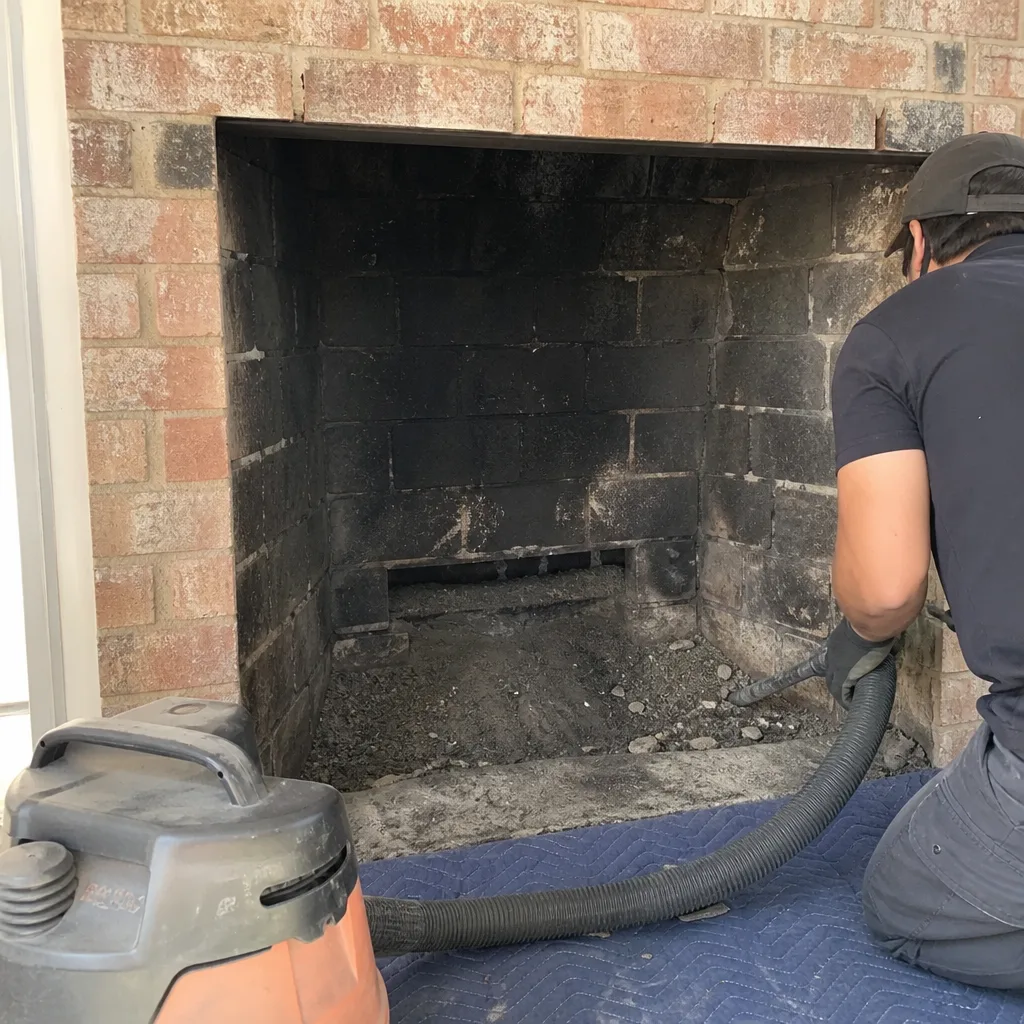 Before
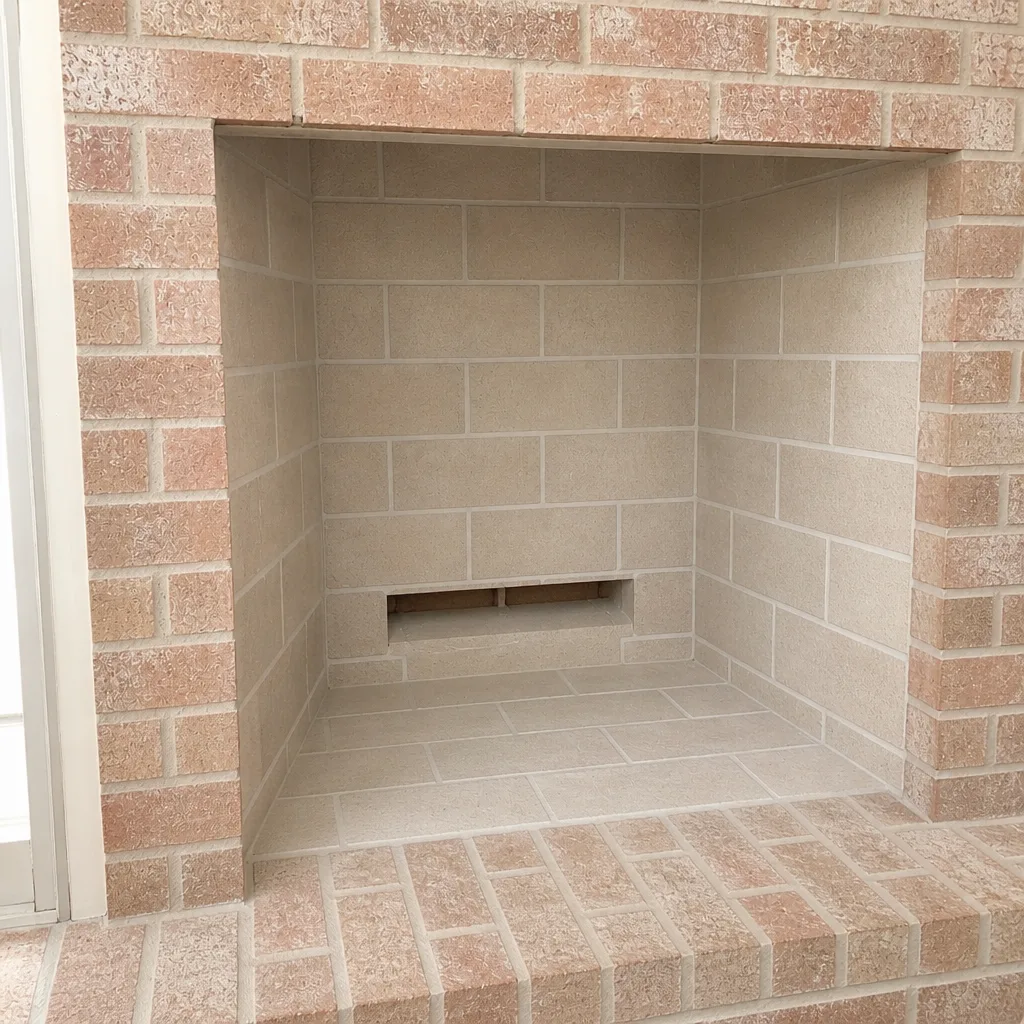 After
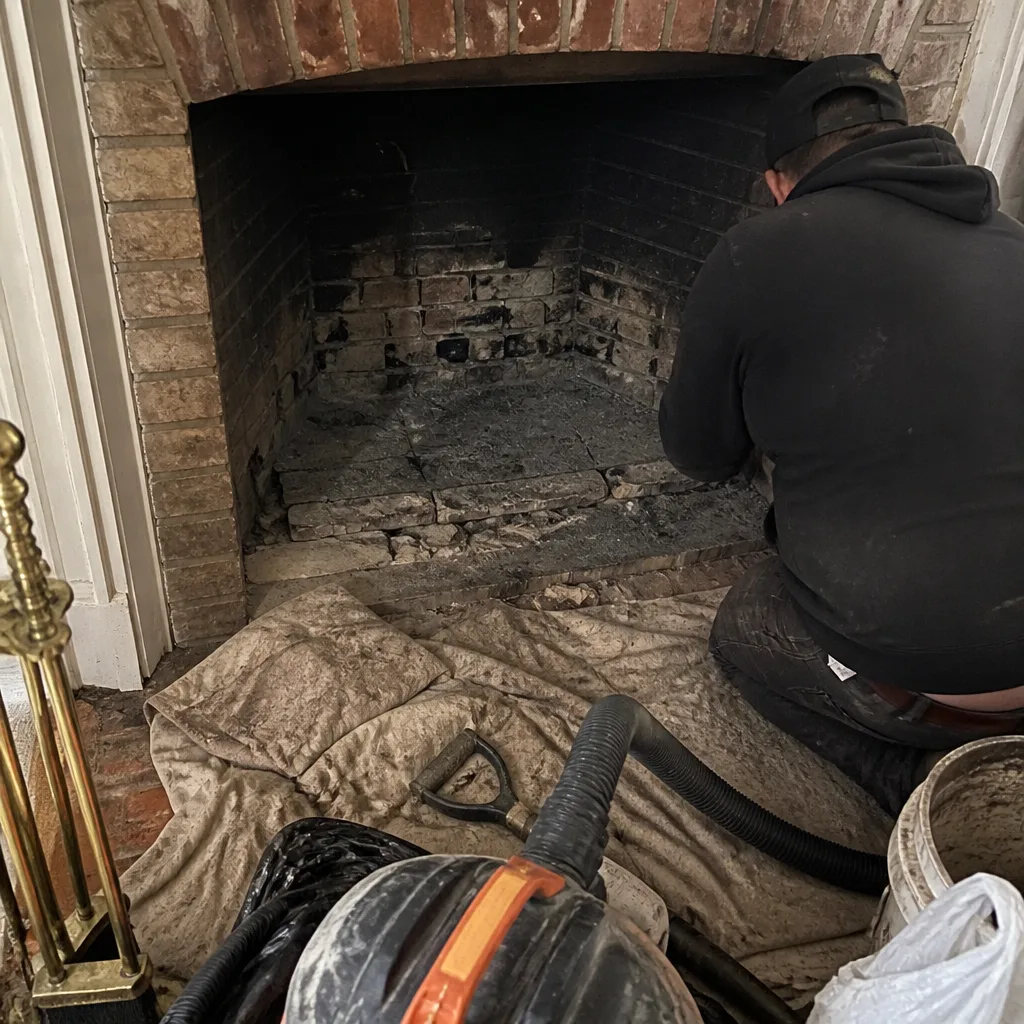 Before
 After
 Before
 After
When to Call a Professional
Chimney work is one of those areas where the “wait and see” approach carries real risk. You should call a professional when you notice smoke drafting back into the room, when you smell a strong creosote odor between burns, when you see cracked or spalling masonry on the exterior, or when the crown shows visible cracks. You should also call if it’s been more than a year since the chimney was swept – even a lightly used fireplace builds creosote over time, and the inspection that comes with a sweep is what catches the issues before they become repairs. And you should call when a contractor recommends a big repair, because a second set of eyes with camera footage is a fair request.
Remington Chimney Sweep offers free estimates in Pasadena – call (833) 334-7488. We answer 24/7. Fast dispatch from 7am to 7pm, Sunday through Friday.
Frequently Asked Questions
Most residential chimney sweeps in the Pasadena area fall in a moderate range based on flue type, access, and whether a camera inspection is included. The estimate sets the final price, and we don’t add service-call fees on top. Call (833) 334-7488 for an exact quote – estimates are free.
You need a new liner when the inspection shows the existing liner is cracked, missing, or unrated for the appliance you’re burning – and you should be able to see that footage yourself. HeatShield resurfacing is sometimes an alternative to full relining, which is why it’s worth asking about. Call (833) 334-7488 for a free estimate with the footage attached to the recommendation.
On a professional-grade estimate you’d expect to see manufacturers like DuraFlex for liners, HeatShield for resurfacing, and Famco, Gelco, or Olympia Chimney for caps and exterior components. If no brand appears on the estimate, that’s the answer to your question about the contractor’s material standard. Call (833) 334-7488 if you want a written estimate that names the materials.
Once a year is the common standard for an actively used fireplace, and it’s the interval that catches liner and crown issues before they become expensive repairs. A lightly used chimney can sometimes go longer between sweeps, but the annual inspection is still worth doing. Call (833) 334-7488 to schedule one – estimates are free.
Skipping the sweep means creosote builds up inside the flue and small cracks in the liner or crown go unnoticed until they turn into water intrusion or drafting problems. Neither of those is a same-week emergency, but both get more expensive the longer they run. Call (833) 334-7488 for a free estimate and a camera inspection you can see for yourself.
Pasadena’s heat and humidity wear materials faster than a drier climate would, so a thin cap or a rigid crown coating that works elsewhere can fail here sooner. Brand matters because specification-grade products carry the performance testing and warranty that let you hold a contractor accountable. Call (833) 334-7488 to talk through what’s appropriate for your chimney.
The Bottom Line
The chimney products installed in your system matter as much as the person installing them. In a Pasadena market where many sweeps buy whatever the supply house has available, the homeowner’s best protection is asking what brand of liner, cap, coating, and sealant is going in – and expecting the answer in writing before work starts. A contractor who specifies materials is a contractor who’s accountable for them. A contractor who specifies nothing leaves you nothing to check. Ask the questions in this guide, watch the camera footage, and let the materials be named on the estimate. That’s how you get a chimney that lasts, and a contractor you can hold to a standard.
If you’d like a written estimate that names the materials, call (833) 334-7488. We answer 24/7. Fast dispatch from 7am to 7pm, Sunday through Friday.
Written by the team at Remington Chimney Sweep.