
Last updated November 15, 2026
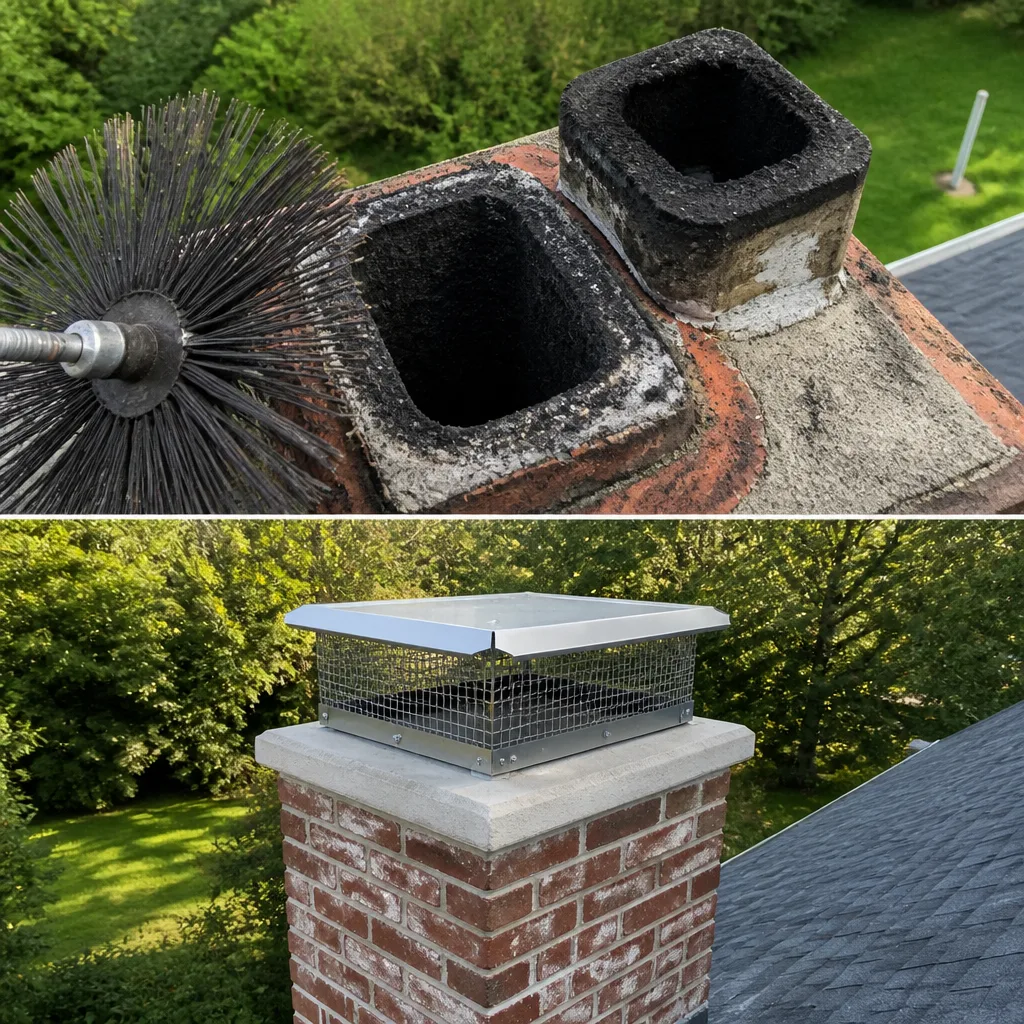 Sweep & inspection
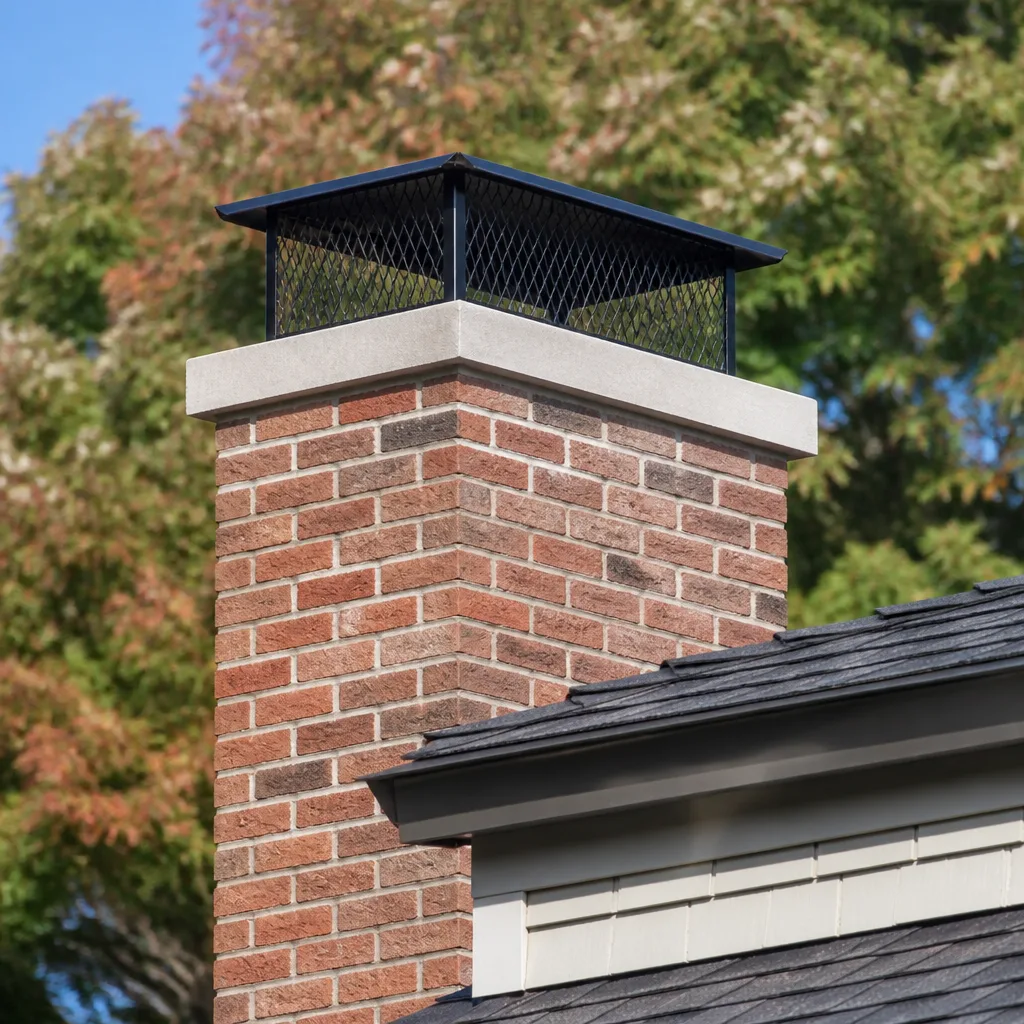 Caps & crowns
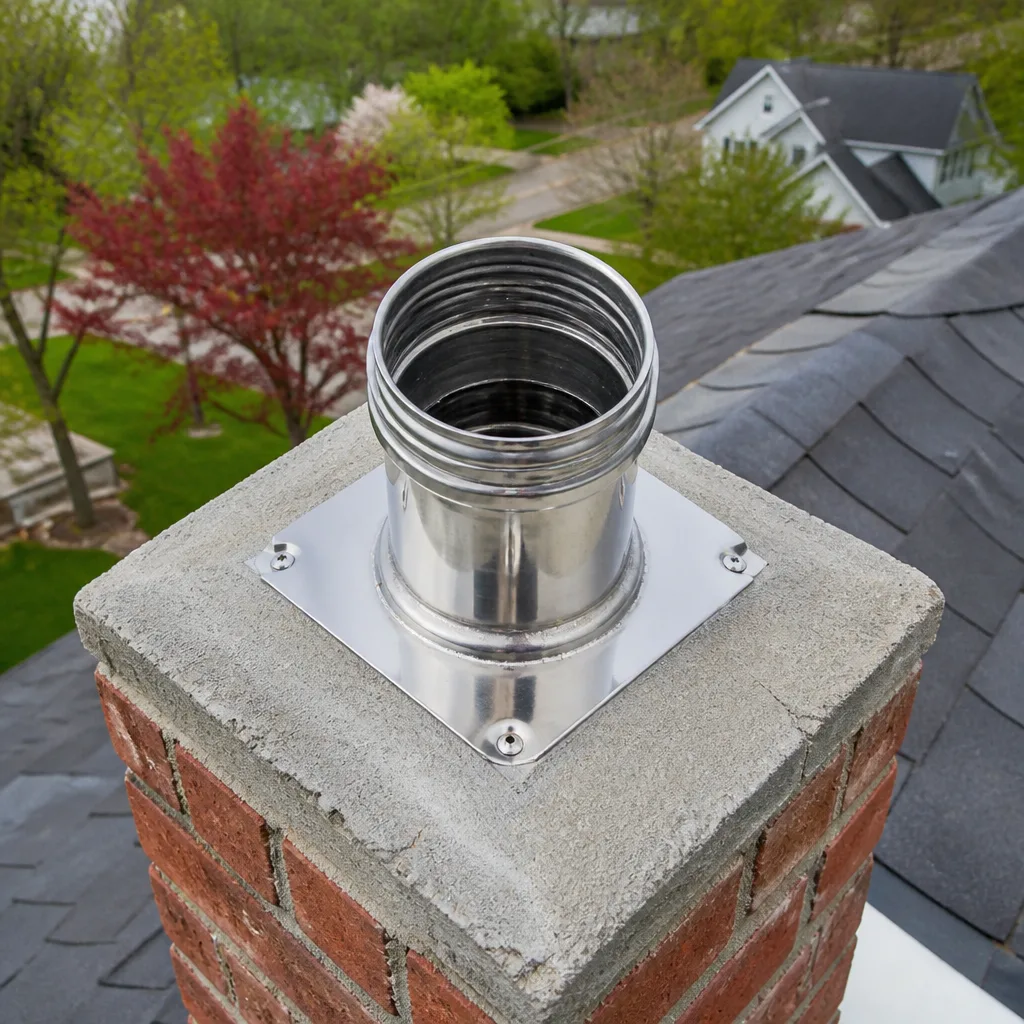 Flue relining
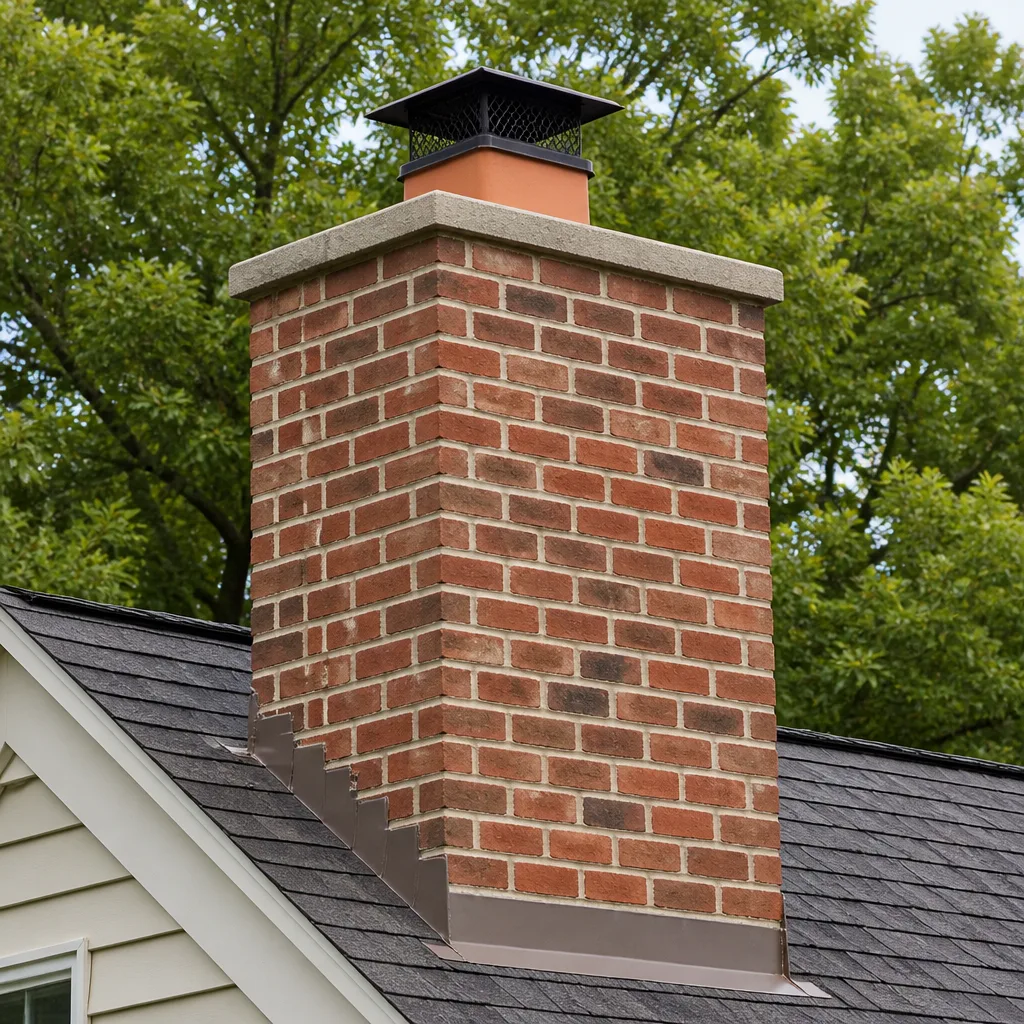 Masonry repair
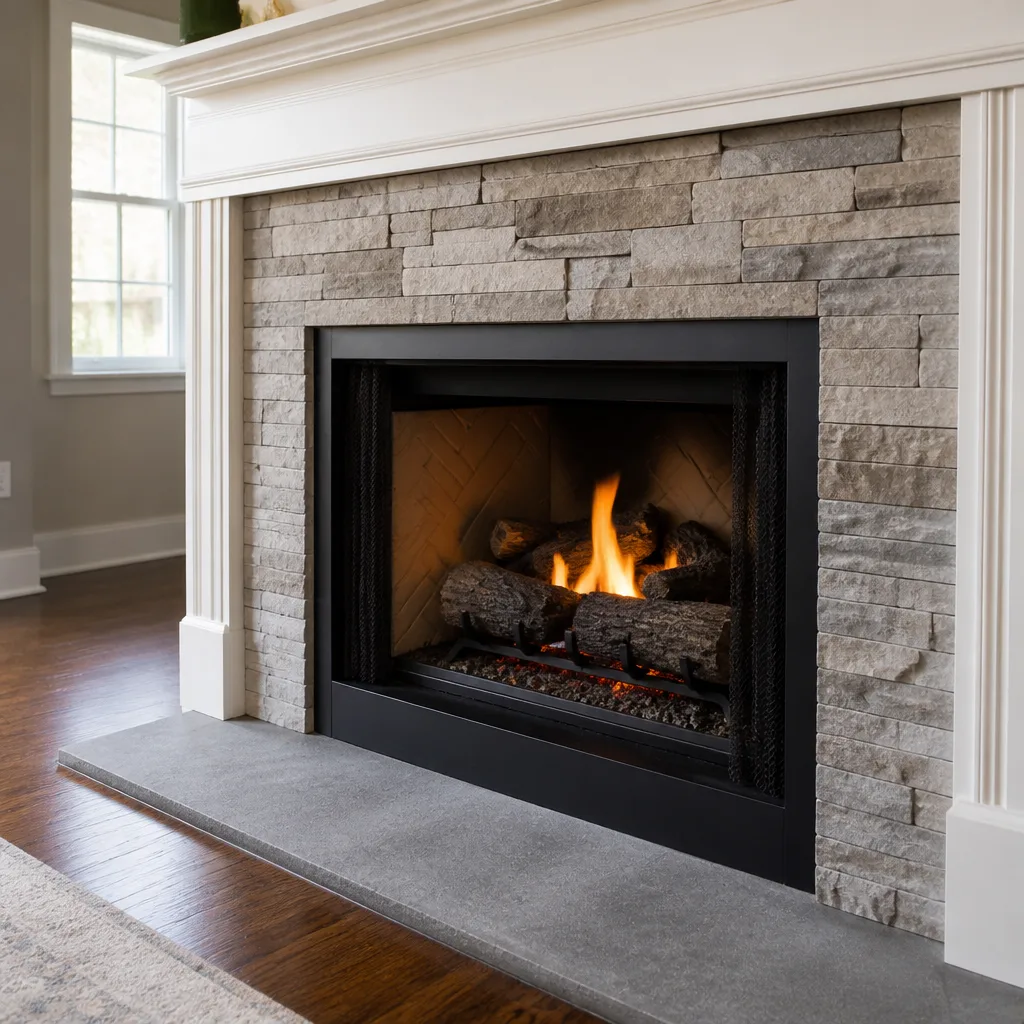 Gas fireplace service
Level 1 sweep and inspection to the NFPA 211 annual standard - flue, crown, cap, and flashing checked and photographed
Chimney sweep logs do not sweep chimneys. They loosen some creosote - which then falls where a brush and vacuum still have to collect it.
Chimney Sweep Maintenance Schedule: What to Do and When
Most chimney maintenance advice you’ll find online was written for a house in Minnesota that burns oak eight hours a day from October to April. If you live in Pasadena and your fireplace runs on gas logs for a few cool evenings a year, that calendar doesn’t fit your chimney and never did. The real threats to a Pasadena chimney aren’t the ones a northern schedule is built to catch. They’re humidity, summer storms, and the wildlife that moves in when a cap goes missing. This guide builds a maintenance schedule from the ground up for how homes here actually work: what to do each month, what you can check yourself, and when to bring in a professional.
Quick Answer
For most Pasadena homes, the right chimney schedule is one professional sweep-and-inspection in spring, after the heating season ends and before the humid months peak, plus a cap-and-crown check before storm season and a handful of simple homeowner checks in between. Gas-log fireplaces still need an annual inspection even though they produce little or no creosote, because moisture intrusion, nesting animals, and liner condition cause more problems here than soot does. Wood-burning fireplaces should be swept based on how much you actually burn, not by the calendar alone. Remington Chimney Sweep handles the sweep, the repair, and the inspection in a single visit, so there’s one point of contact from diagnosis to done. Call (833) 334-7488 to book. We answer 24/7.
Styles & brands we work with
- Sweep & inspection
- Caps & crowns
- Flue relining
- Masonry repair
- Gas fireplace service
Table of Contents
- Why the Standard Annual Schedule Doesn’t Fit Pasadena
- Your Pasadena Chimney Calendar, Month by Month
- Gas Logs Still Need Inspecting: What We’re Looking For
- The Spring Window: Why Timing Matters Here
- What You Can Check Yourself Between Visits
- Documenting Your Chimney Year Over Year
- Wood-Burning vs. Gas: Two Different Schedules
- When a Repair Can Wait and When It Can’t
Why the Standard Annual Schedule Doesn’t Fit Pasadena
The annual chimney inspection recommendation you see everywhere comes from the National Fire Protection Association, and it’s a sound baseline. But it was written around homes that burn wood through a long heating season, where creosote buildup is the main hazard. Pasadena isn’t that house. Winters here are mild, the burning season is short, and the humidity runs high for months. The chimney problems we see in Pasadena most often aren’t creosote fires. They’re water getting into masonry, caps blown loose by summer storms, and animals finding an open flue.
That changes the whole schedule. In a cold climate, you sweep in fall before you start burning. Here, the better move is often a spring service, after the last fire of the season and before the muggy stretch sets in, so any moisture problem gets caught before it has all summer to spread. Same inspection, different timing, because the climate is different.
- Cold-climate priority: creosote removal before heating season.
- Pasadena priority: water intrusion, cap integrity, and liner condition through the humid and storm months.
- Cold-climate timing: sweep in autumn.
- Pasadena timing: sweep and inspect in spring, storm-proof in late spring, recheck in fall.
A maintenance schedule should serve your house, not an average house in another part of the country. That’s the principle behind everything below. When you work with us through a Remington Chimney Sweep visit, you get a schedule built around what your chimney actually does, not a template.
Your Pasadena Chimney Calendar, Month by Month
Here’s the schedule we’d hand a Pasadena homeowner with an active fireplace or wood-burning insert. It’s built for our climate, not a borrowed one.
- January through February (heating season): Keep burning if you burn wood. Watch for smoke rolling back into the room, a sign the flue needs attention. Note any unusual smell near the hearth.
- March (end of heating season): Book your spring sweep and inspection. This is when we clear out what the season left behind and get a first look at liner condition.
- April (the sweet spot): This is our preferred window for service. Post-heating, pre-humidity-peak. Get the sweep done, the inspection recorded, and any repair planned before the wet season builds.
- May (pre-storm prep): Have the cap, crown, and flashing checked before summer storm season. A loose cap or a cracked crown lets water in all summer. This is also when birds and squirrels start house-hunting.
- June through September (humid and storm months): Do your homeowner checks. Look for water stains, rust on the firebox, or a musty odor. Call us if you see any of it.
- October (pre-season): Test the damper, do a visual check inside the firebox, and schedule a fall inspection if anything looks off.
- November through December (burning season begins): Burn dry, seasoned wood if you burn wood. Keep an eye on the flue and call if smoke behavior changes.
This calendar is a framework, not a rulebook. If you have a gas-log fireplace that runs a few weeks a year, some of these tasks matter more than others. If you burn wood regularly, the sweep may need to happen more than once depending on volume. We’ll tell you which is which when we see your chimney. Outside of a scheduled visit, if you smell gas or see a problem, call (833) 334-7488. A call outside dispatch hours is booked into the next opening, Sunday through Friday, 7am to 7pm.
Gas Logs Still Need Inspecting: What We’re Looking For
A gas-log fireplace doesn’t build up creosote the way a wood fire does, which leads a lot of Pasadena homeowners to assume it needs no maintenance at all. It does. The byproducts are different, and the failure points are different, but a vented gas appliance still deposits material in the flue, still has a liner that ages, and still has a cap and crown exposed to weather. When there’s no creosote to measure, here’s what a technician is actually looking at during an inspection:
- Flue deposits: Even gas logs leave a film on the flue wall. Not creosote, but something that can accumulate and restrict the flue over time.
- Liner condition: Cracks, gaps, and deterioration. A failing liner lets combustion gases escape into the wall cavity instead of up the chimney.
- The cap and crown: Water damage and storm damage. This is the most common exterior issue we see in Pasadena.
- The damper: Does it open and close cleanly? A damper that sticks can leave you with a venting problem or a draft.
- The firebox and surround: Any sign of moisture, rust, or loose masonry, especially after the humid season.
- The vent connection: How the appliance connects to the flue, and whether that connection is sound.
The point is simple: gas logs don’t eliminate the need for inspection, they shift what we’re inspecting for. A chimney sweep visit that treats a gas-log fireplace as “nothing to sweep” is missing the job. Our technicians have up to 14 years of experience, and they know the difference between a wood flue and a gas one at a glance. Nothing gets recommended without evidence you can see for yourself.
The Spring Window: Why Timing Matters Here
If you take one thing from this guide, take this: April is the best month to service a Pasadena chimney. Here’s why timing matters so much in a place where humidity, not cold, is the enemy.
By the time the heating season ends, the chimney has a full season of use behind it. Soot, residue, and whatever the winter produced are sitting in the flue. The ideal moment to clear it out and inspect the liner is right after that, and before the humid summer. The humid months are when small problems grow. A hairline crack in a crown that would stay minor in a dry climate can let in enough moisture through summer to soften masonry and stain the interior. An unnoticed gap in a liner is easier to fix in April than after a season of use has spread the issue.
There’s a practical benefit to spring too. Getting on the schedule in April means the work is done and documented before the busy pre-heating-season rush. You’re not scrambling for an appointment in November. And if a repair turns out to be needed, you have a full season to plan it and budget for it, rather than discovering a problem the week you want to light the first fire.
Spring service also pairs naturally with pre-storm prep. Get the sweep and inspection done in April, and the cap and crown check in May, and you’ve handled the two biggest threats the Pasadena climate throws at a chimney in one clean sequence. Book a chimney sweep and your inspection in the same visit, so there’s no back-and-forth. Call (833) 334-7488. We answer 24/7. Fast dispatch from 7am to 7pm, Sunday through Friday.
What You Can Check Yourself Between Visits
You don’t need to touch the inside of your chimney to do your part. There’s a useful set of between-visit checks any homeowner can do safely, and they catch problems early. What you shouldn’t do is climb on the roof or reach into the flue yourself. Masonry work, liner work, and anything up the chimney is professional territory. But the checks below, done from the living room, are worth building into your routine.
- Visual check of the firebox: Look inside the firebox and up the damper area with a flashlight. Note any new staining, rust, or loose masonry. Compare to last time you looked.
- Odor monitoring: A musty or smoky smell that wasn’t there before, especially during humid months, can signal moisture or an animal. Note it and call.
- Damper test: Open and close the damper a few times. It should move smoothly and seat cleanly. A sticking damper is worth a look.
- Exterior visual check from the ground: From the ground, look at the chimney top. Is the cap still there? Is anything loose? You don’t need to climb up to spot obvious problems.
- Water check: After heavy rain, look for dampness or water stains on the firebox sides and the hearth. Any water means it’s getting in somewhere.
- Smoke behavior: When you burn, note whether smoke drafts up the flue as it should. A change in draft is a signal.
Log what you see. A quick note on your phone with the date is enough, and it feeds directly into the year-over-year documentation below. What you’re doing is giving yourself (and us) a baseline, so when something changes you can tell when it changed. If any of these turn up something that doesn’t look right, call (833) 334-7488.
Documenting Your Chimney Year Over Year
A single inspection is a snapshot. A record of several years is a trend, and trends are what tell you whether a repair is needed now or whether the problem is stable and can wait. This is one of the most useful habits a Pasadena homeowner can build, and almost nobody does it.
Here’s what to keep in a simple file, digital or paper:
- Date of each inspection and sweep. Who did it and what they found.
- Photos of the firebox interior and chimney exterior taken at the same angles each year. Comparing a photo from this spring to one from three springs ago tells you more than any single description.
- The inspection report and any camera findings. Keep the report, including liner photos if there are any.
- Repairs performed and what was done. Date, part, and outcome. If we relined a section with a DuraFlex liner system, note it, so next year’s inspection starts from an accurate baseline.
- Your own homeowner notes. The date you first noticed a smell, a stain, a draft change.
- Seasonal weather events that might matter. A major summer storm, for example, is worth noting for the next exterior check.
Why does this matter? Because chimney repair decisions should be based on whether a problem is getting worse, not on how alarming it looks on a single visit. A hairline crack in a crown that’s been unchanged for three years is a different situation than the same crack that’s doubled in size since last spring. When you have the record, you can say plainly: this can wait, or this needs attention now. That’s the standard we hold ourselves to. If you want a second opinion on a recommended repair, we’ll show you the camera evidence and you can decide for yourself. We’ll tell you what your chimney needs, and what it doesn’t.
For homes in Pasadena, where exterior conditions do a lot of the damage, this trend data is especially valuable. Water and storm wear show up gradually, and a year-over-year record is the only way to see them clearly.
Wood-Burning vs. Gas: Two Different Schedules
The calendar above is a framework for both, but wood-burning and gas-burning fireplaces need different attention. Knowing which one you have shapes the schedule.
Wood-burning fireplaces produce creosote, and that’s the primary hazard the annual inspection targets. How often you sweep depends on how much you burn and how dry the wood is. A homeowner who burns a few cords of seasoned wood a season will need more frequent sweeping than someone who lights a fire a handful of times. The key indicators: how much you’ve burned, whether the wood was fully seasoned, and what the flue looks like at inspection. Sweep rate is a function of use, so let the inspection tell you. The best indication of another needed sweep is the surface of the flue; a technician who inspects it can tell you when the next one is due. And a wood flue that’s been idle also needs an inspection, because animals and moisture don’t care that you haven’t burned.
Gas-burning fireplaces run a much cleaner burn, so creosote isn’t the concern. But the inspection is still annual, because liner aging, moisture, and exterior wear don’t take a year off. Gas logs also come with a specific set of safety checks, including the venting path and the appliance connection, and those are worth a professional eye. If you smell gas at any point, don’t wait for the schedule. That’s a call-now situation, every time.
If you’re not sure which category your fireplace falls into, or if you have a mix (a wood insert in one chimney, gas logs in another), don’t guess. A professional inspection sorts it out, and it’s handled under one roof along with any chimney repair the inspection turns up. That’s the advantage of full-service capability: you don’t have to coordinate a sweep, a repair contractor, and an inspector. It’s one company, one visit, one point of contact.
When a Repair Can Wait and When It Can’t
A common worry for a homeowner is being told the chimney needs major work they can’t verify and have no way to check. We understand it. It’s the reason we don’t recommend anything without camera evidence you can see for yourself, and it’s the reason we’ll say plainly when a repair can safely wait. Here’s a rough guide to how we think about timing.
- Can usually wait, with monitoring: Surface-level masonry wear that’s been stable across inspections, minor crown cosmetic issues that aren’t letting water in, a damper that sticks a little but still seats. Note them, watch them, revisit at the next inspection.
- Should be handled before storm season: A loose or missing cap, a crown with active cracking, failing flashing. These are water-entry points, and in a humid Pasadena summer, water entry is the problem that grows.
- Needs attention soon: Liner cracks or gaps that show up on camera, signs of moisture reaching the firebox or wall cavity, evidence of animals in the flue. These get addressed on the schedule they’re found, not deferred to “someday.”
- Handled first, without delay: Anything that compromises venting or indicates gas escaping. Call (833) 334-7488. A call outside dispatch hours is booked into the next opening, Sunday through Friday, 7am to 7pm.
Some repairs don’t require a full reline. When the flue tile is damaged but the structure is sound, resurfacing with HeatShield can restore the flue without a full relining, which is a genuine cost-effective option. When a full reline is the right call, we work with DuraFlex liner systems, which fit irregular flue configurations that other companies decline. The point is that the recommendation follows the evidence, not the other way around. We work with a curated roster of professional-grade brands so the repair is done with parts professionals actually specify.
Common Mistakes to Avoid
- Treating a gas-log fireplace as maintenance-free. Gas logs don’t build creosote, but they still need annual inspection for liner condition, moisture, and venting. Skipping it because there’s “nothing to sweep” is the mistake.
- Scheduling only in fall. Fall is the cold-climate habit. In Pasadena, spring service catches moisture and storm damage before the humid season, which is when small problems grow. Fall is fine as a backup, not the primary visit.
- Ignoring the cap and crown. Most of the damage we see on Pasadena chimneys starts at the top. A missing cap lets in water and animals all year. Check it before storm season, not after.
- Assuming a clean flue means a sound chimney. A clean flue says nothing about the liner, the crown, or the firebox. Cleaning and inspection are different tasks, and you want both.
- Booking the cheapest sweep and assuming it’s the same job. A brush-and-bill visit clears the flue and leaves. A proper visit includes inspection and documentation. If it doesn’t, you’re paying once and finding out later.
- Never recording what was found. Without year-over-year notes and photos, every inspection stands alone, and you can’t tell a stable hairline crack from a growing one. Keep the record.
- Climbing on the roof to check things yourself. Height and masonry work are professional territory. Do your checks from the ground and let a trained technician handle the rest.
See the difference
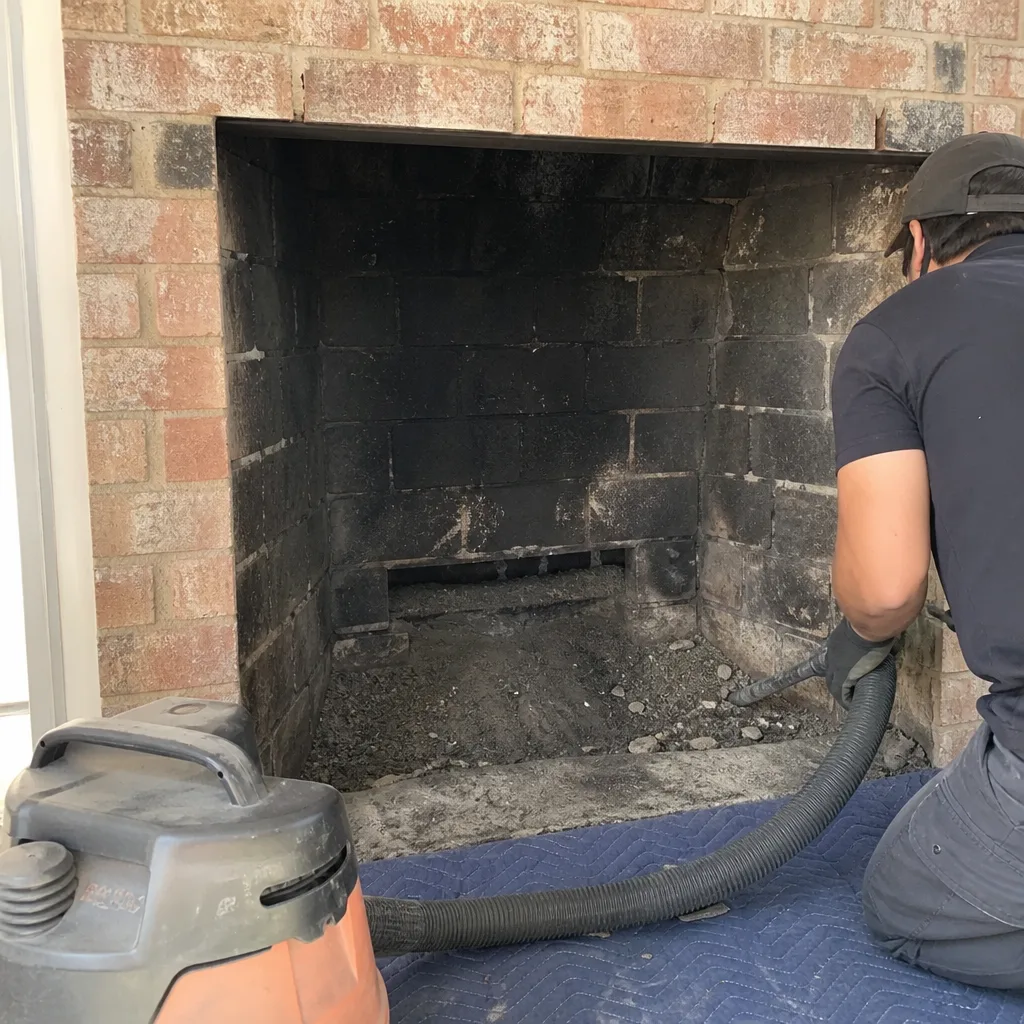 Before
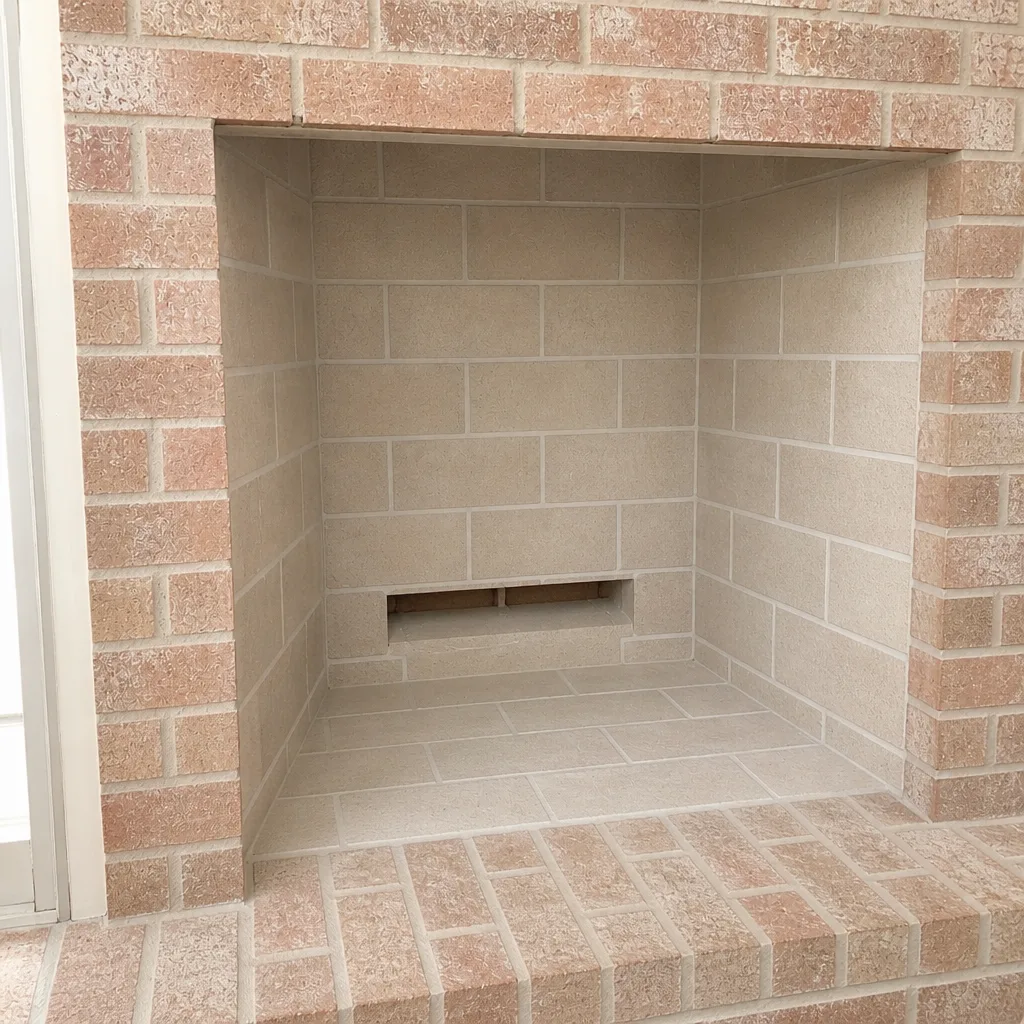 After
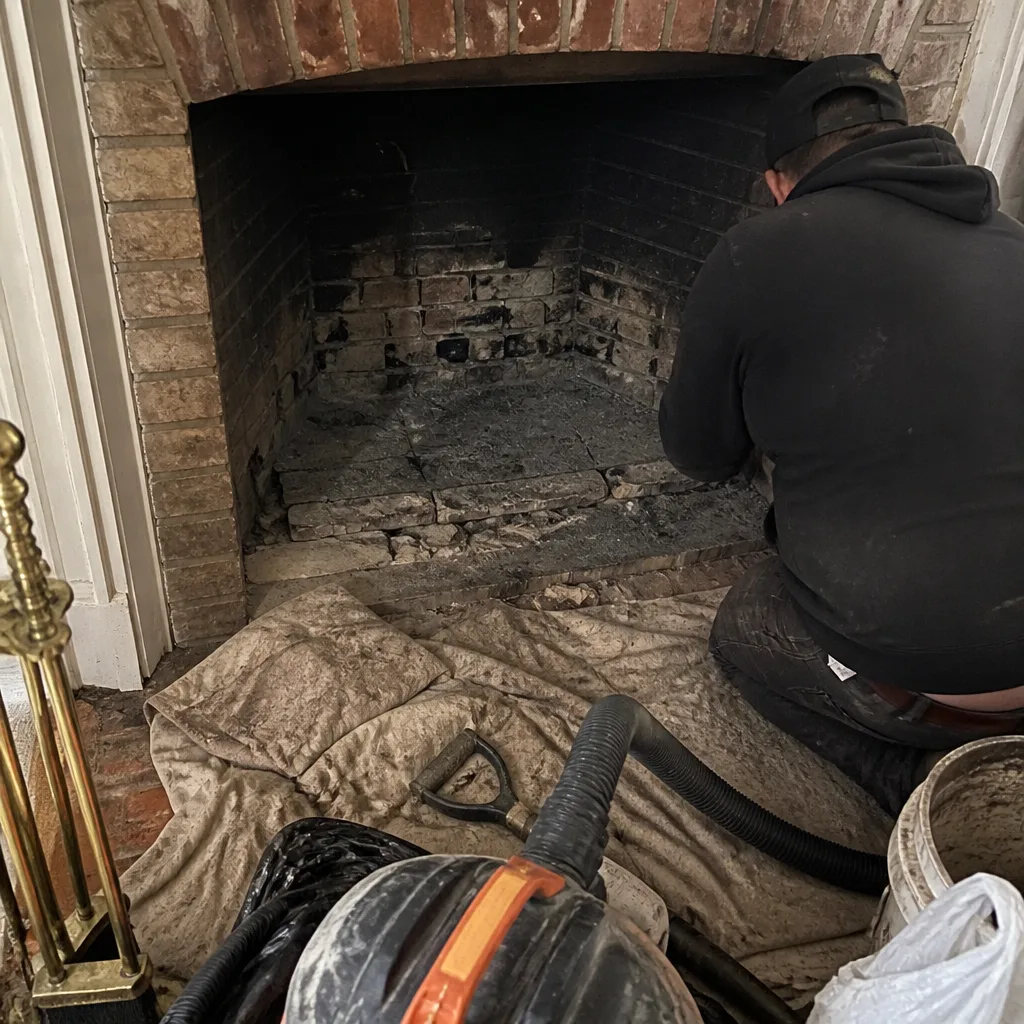 Before
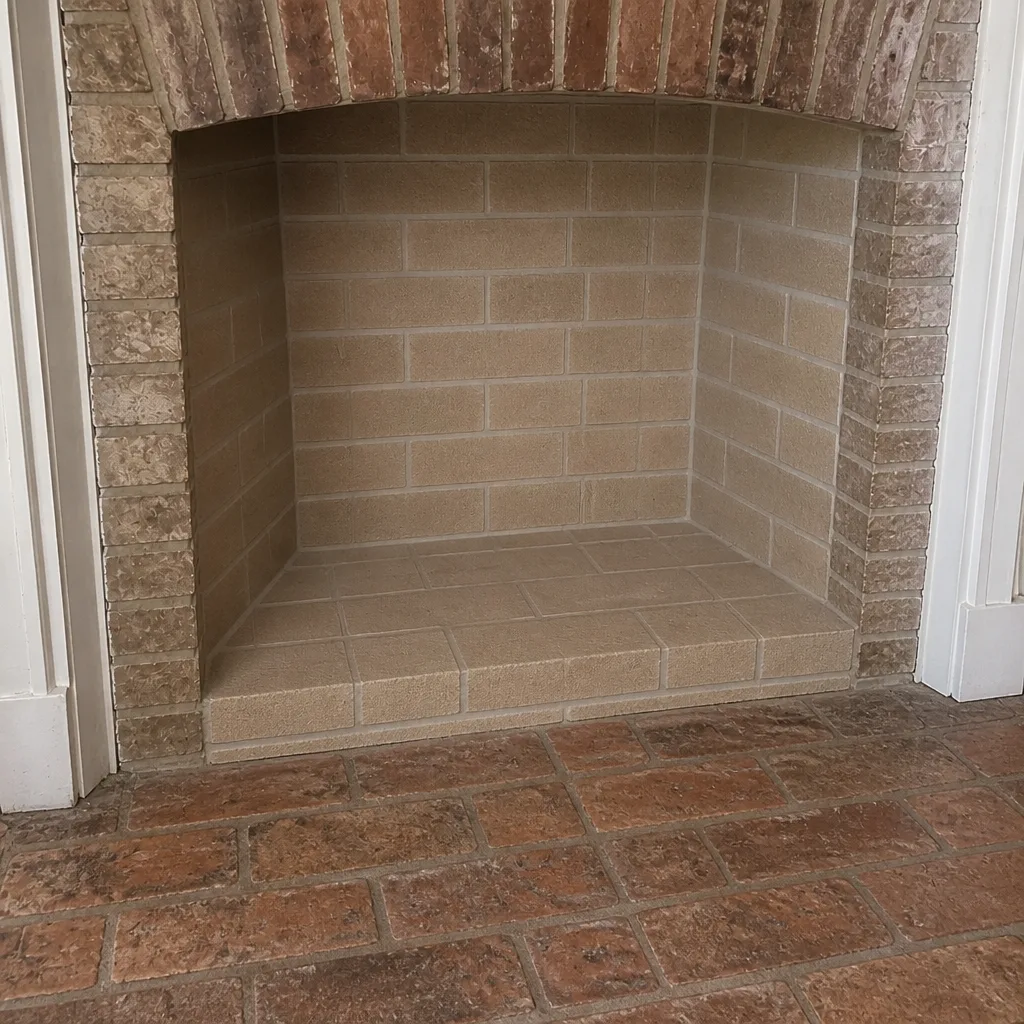 After
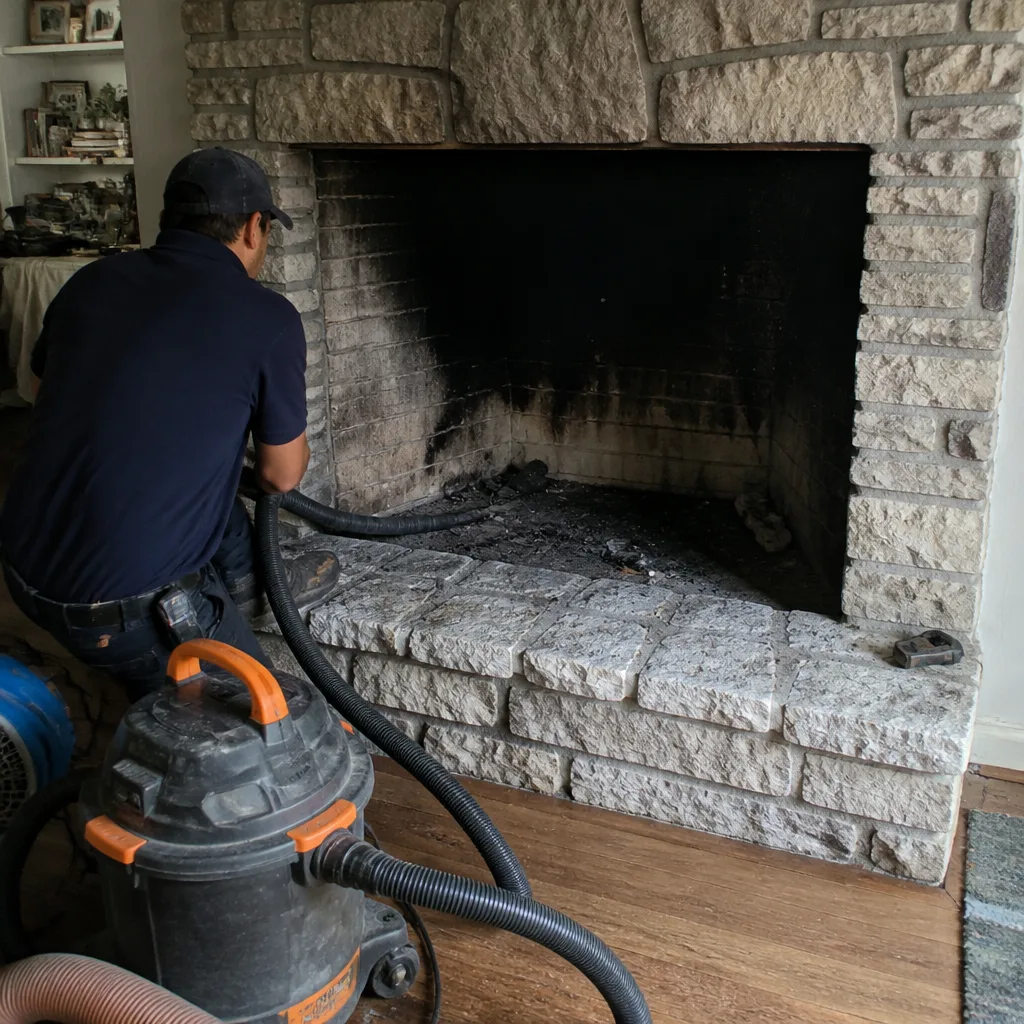 Before
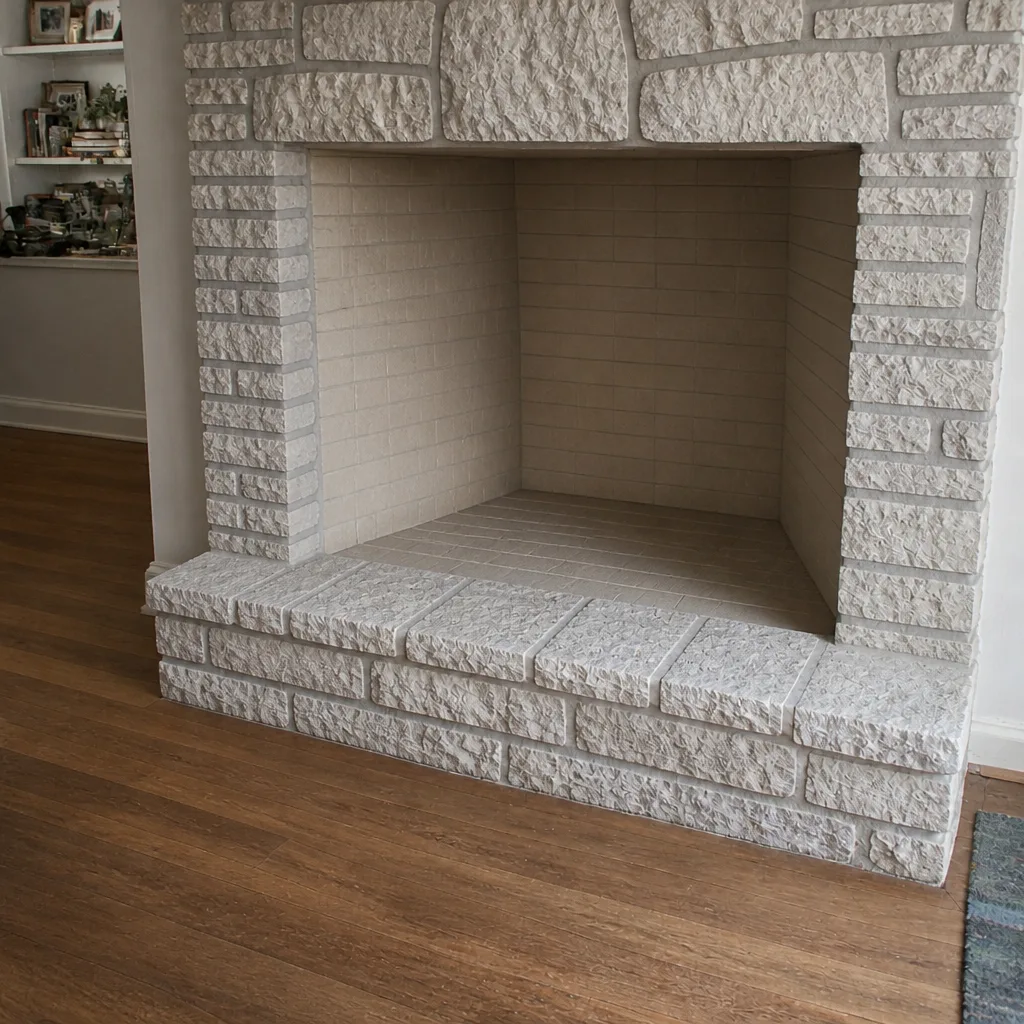 After
When to Call a Professional
Some things are do-it-yourself checks. Some are calls for a professional. The line between them is simple: anything that involves climbing, opening up the chimney, working on masonry or a liner, or diagnosing a venting issue is a professional job. Call us if any of the following comes up: a musty or smoky odor that won’t clear, water stains or dampness around the firebox after rain, smoke rolling back into the room when you burn, a missing or loose cap, visible damage to the crown or chimney top, rust in the firebox, signs of animals, or a sticking damper. Any smell of gas at any time is a call-now situation, every time. Remington Chimney Sweep offers free estimates in Pasadena. Call (833) 334-7488. We answer 24/7. Fast dispatch from 7am to 7pm, Sunday through Friday.
Frequently Asked Questions
Once a year is the baseline for most homes, usually in spring, timed to the Pasadena climate. For wood-burning fireplaces, how often you sweep depends on how much you burn and how dry the wood is; a light user may not need an annual sweep, while a heavy user may need more than one. An inspection tells you which you are. Gas-log fireplaces rarely need creosote sweeping but still need an annual inspection. Call (833) 334-7488 for a free estimate.
Yes. Gas logs don’t build creosote, but they still leave a film in the flue, still have a liner that ages, and still have a cap and crown exposed to weather. In Pasadena, moisture and storm wear do more damage to gas-fireplace chimneys than combustion byproducts do, which makes the inspection more important, not less. Call (833) 334-7488 to book.
For most Pasadena homes, yes. Spring service lands after the heating season and before the humid months peak, so any moisture or storm issue gets caught before it has all summer to grow. A fall inspection is a useful backup, but spring is the primary window here. Call (833) 334-7488 for an exact quote. Estimates are free.
Small problems go undetected until they get bigger. In Pasadena, that usually means water getting into masonry, a liner that ages unnoticed, or an animal finding an open flue. Left alone through a humid season, a minor issue can turn into a repair. We’ll tell you what your chimney needs, and what it doesn’t, with evidence you can see. Call (833) 334-7488 for a free estimate.
Sometimes it can wait. If the issue is stable across inspections (an unchanging hairline crack, a sticking but functional damper), monitoring is often fine. If it compromises the cap, crown, liner, or venting, it should be handled before storm season or addressed soon. We base the recommendation on camera evidence and your year-over-year record. Call (833) 334-7488 and we’ll walk you through it.
Yes. Remington Chimney Sweep covers the full chimney lifecycle in one call: cleaning, structural repair, and certified inspection, handled by a single company. That means one point of contact from diagnosis through completed work, with no subcontracting the parts of the job that need real expertise. Call (833) 334-7488. We answer 24/7. Fast dispatch from 7am to 7pm, Sunday through Friday.
The Bottom Line
The standard annual chimney schedule was built for a cold climate and a wood fire. Pasadena is neither. The right calendar for a home here is spring sweep and inspection, plus a cap and crown check before storm season, plus a few simple homeowner checks in between. Gas-log fireplaces need the inspection just as much as wood-burning ones, because moisture, liner aging, and storm wear cause more problems here than soot does. Document what you find each year, and repair decisions become a matter of trend data rather than a single snapshot. Build that schedule and your chimney will stay ahead of the problems Pasadena’s climate actually creates. Call (833) 334-7488 for a free estimate. We answer 24/7. Fast dispatch from 7am to 7pm, Sunday through Friday.
Written by the team at Remington Chimney Sweep.