
Last updated November 15, 2026
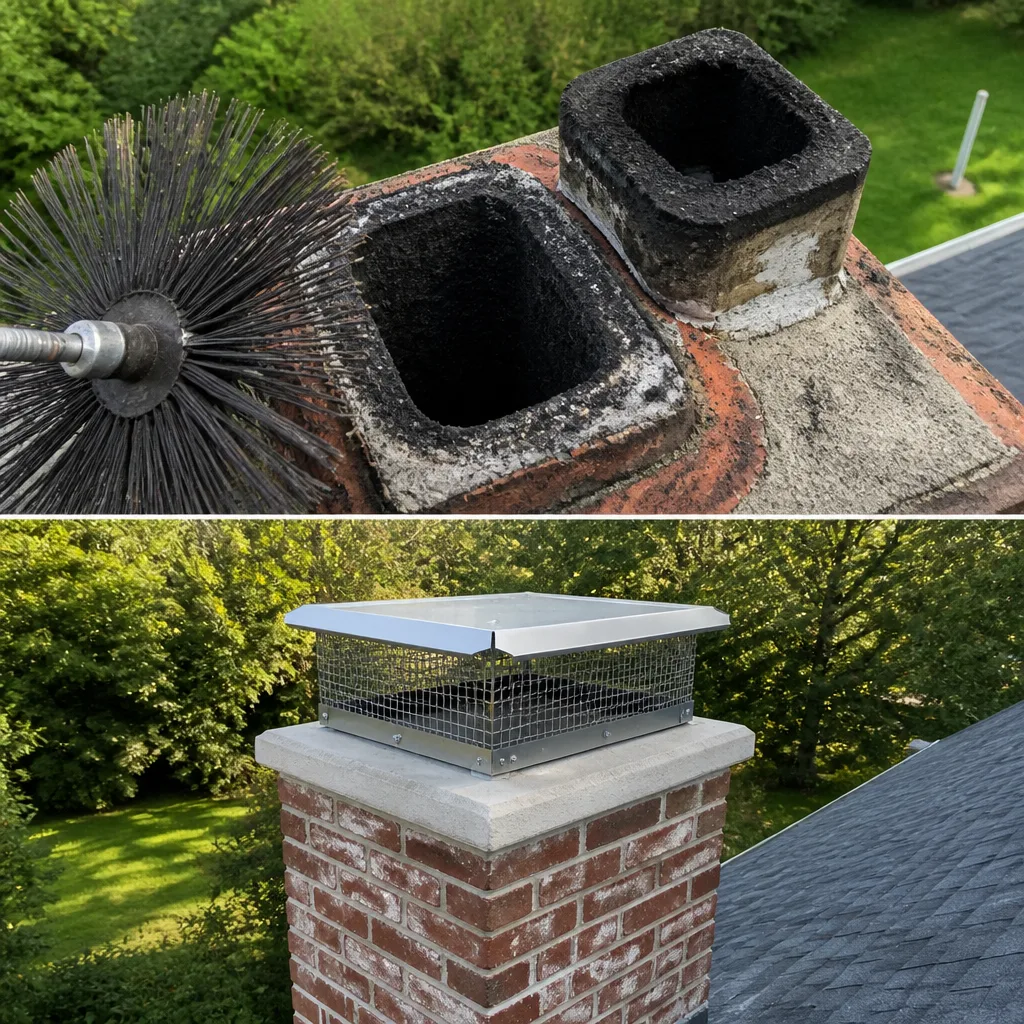 Sweep & inspection
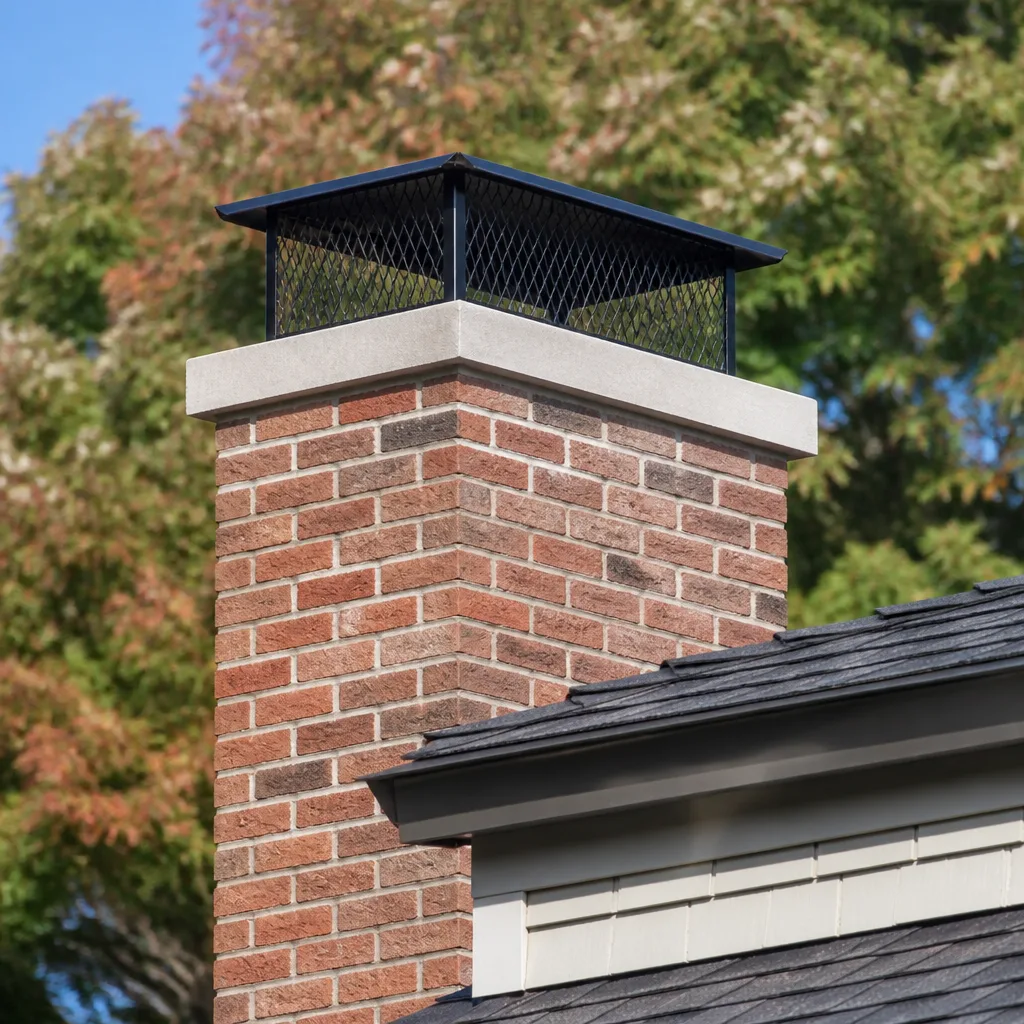 Caps & crowns
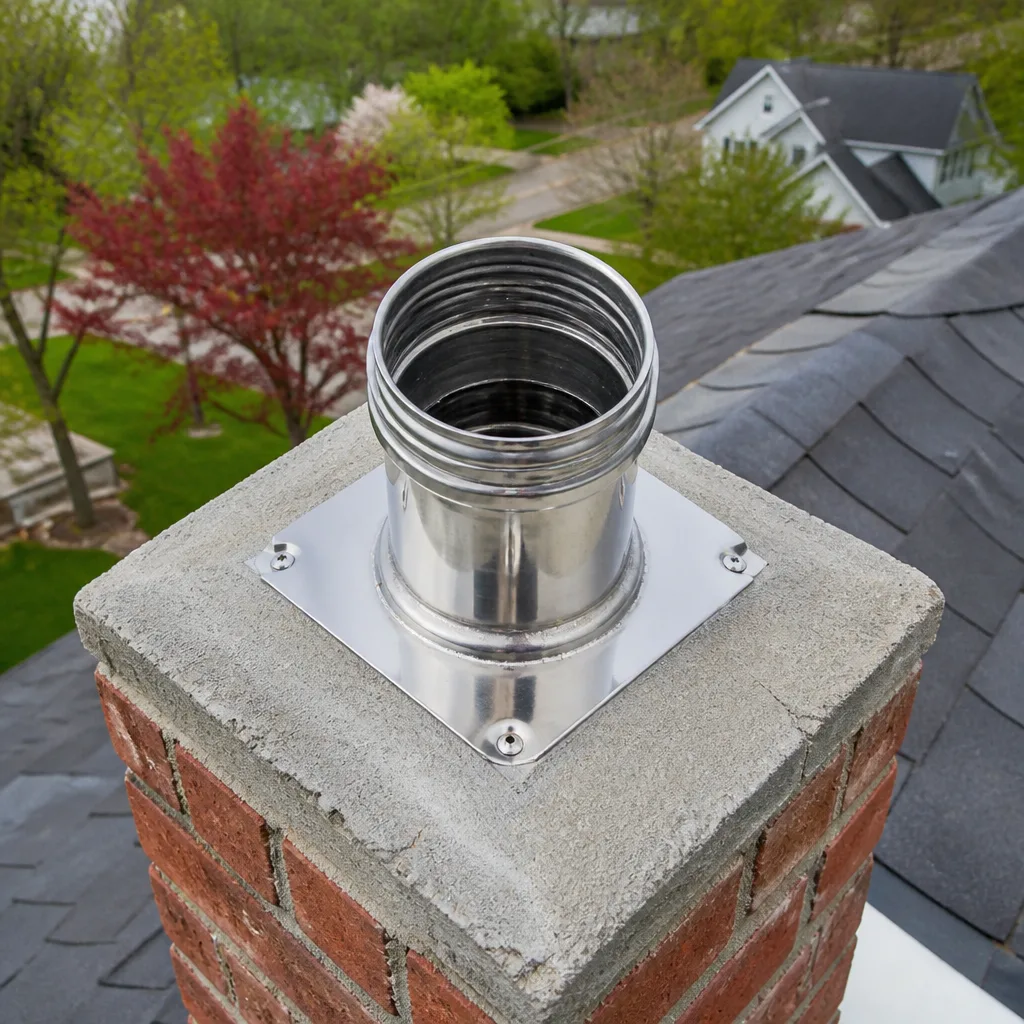 Flue relining
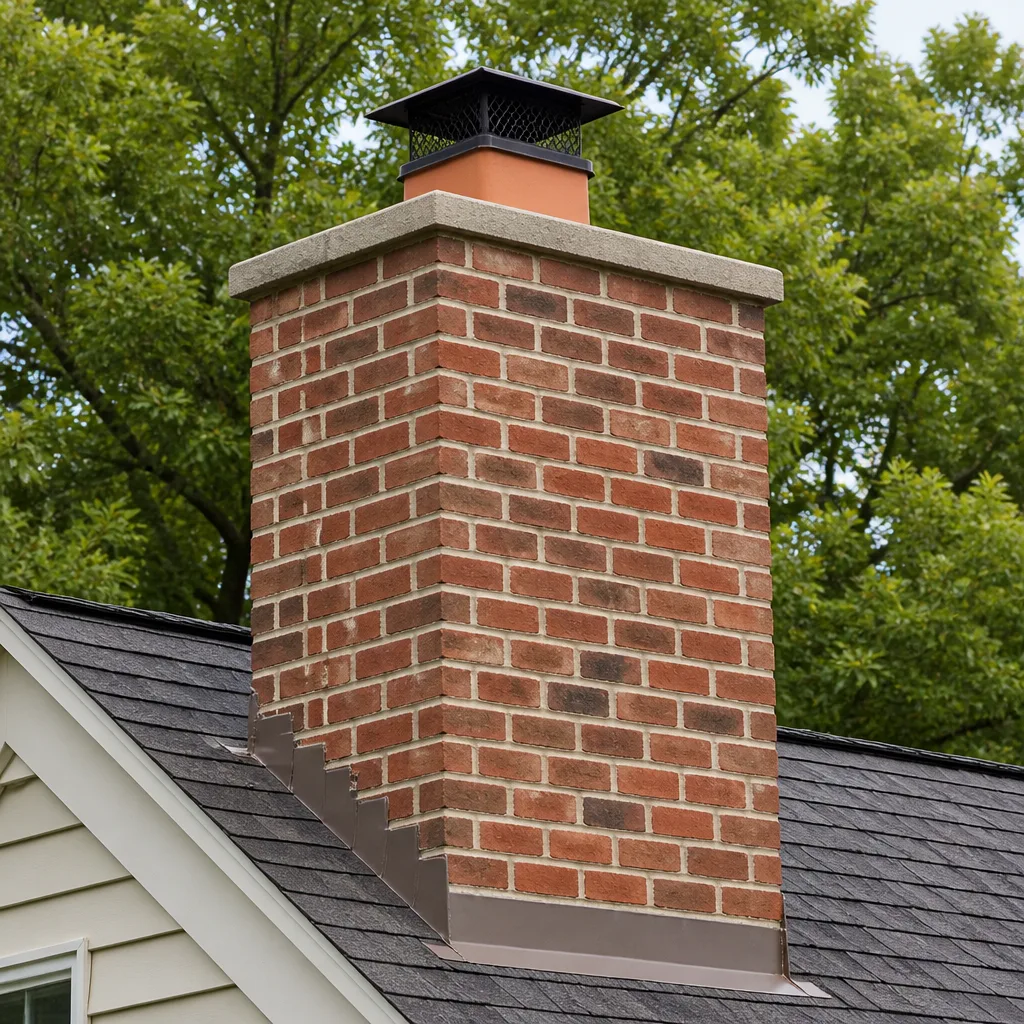 Masonry repair
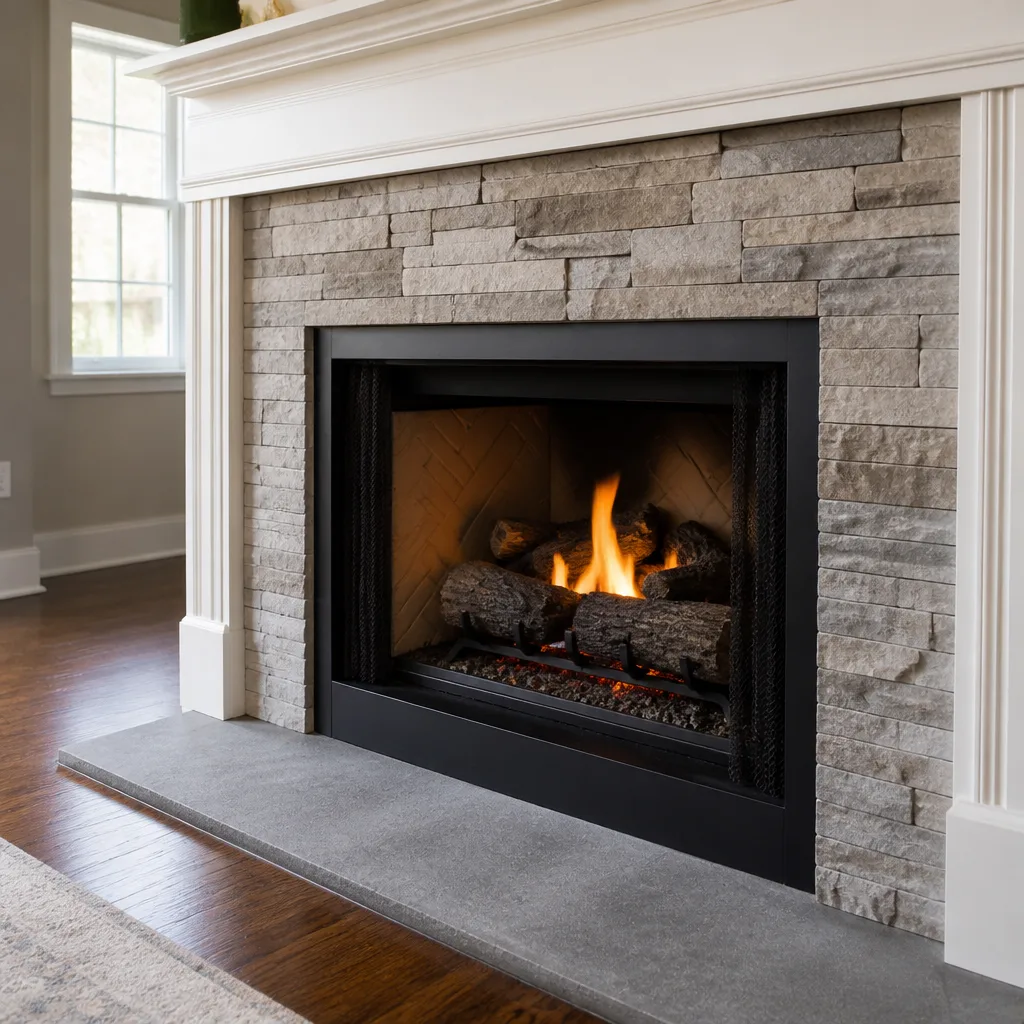 Gas fireplace service
Level 1 sweep and inspection to the NFPA 211 annual standard - flue, crown, cap, and flashing checked and photographed
Chimney sweep logs do not sweep chimneys. They loosen some creosote - which then falls where a brush and vacuum still have to collect it.
Chimney Sweep Troubleshooting in Pasadena: Common Problems and How to Fix Them
If your fireplace smokes back into the room, most online guides tell you to open the damper wider. In Pasadena, that advice often makes things worse. The humid Gulf Coast air here changes the way a chimney drafts, and a cold, moisture-saturated flue can fight you even when the damper is wide open. What most troubleshooting guides miss is that the visible symptom is rarely the problem. It’s the last link in a chain. This guide teaches you to read that chain: how humidity affects draft, why a summer creosote smell and a winter smoke spill point to different fixes, and which problems you can safely watch versus which mean shutting the flue down today.
Quick Answer
Most Pasadena chimney problems trace back to one of six causes: a blocked or dirty flue, negative pressure inside the house, a moisture-heavy flue that won’t draft, a failing damper, a cracked firebox panel, or a worn crown or cap letting water in. Chasing the visible symptom without identifying the upstream cause wastes money. A sweep and inspection tells you which cause you actually have before you spend on repairs.
Styles & brands we work with
- Sweep & inspection
- Caps & crowns
- Flue relining
- Masonry repair
- Gas fireplace service
Table of Contents
- Why Pasadena Humidity Breaks the Usual Draft Rules
- Smoke Spilling Into the Room: Reading the Real Cause
- Creosote Odor in Summer vs. Smoke Spillage in Winter
- Why a Cracked Firebox Panel Is Never Cosmetic
- Damper Problem or Flue Sizing Problem? Telling Them Apart
- Water Intrusion: Crown, Cap, and Flashing Failures
- What You Can Safely Monitor vs. What Needs the Flue Shut Down
- A Simple Sweep-and-Inspection Rhythm for Pasadena Homes
Why Pasadena Humidity Breaks the Usual Draft Rules
Draft depends on a temperature difference between the firebox and the top of the flue, and on the flue being dry enough to heat fast. Pasadena sits in humid Gulf Coast air most of the year, and that changes both variables. A flue that has absorbed moisture from the air takes longer to warm up, so it lingers in the slow, smoldering stage where creosote forms fastest. Inland troubleshooting guides assume dry air and cold winters. Here, winters are mild and the humidity is high, so a chimney can act “cold” even on a 60-degree day.
What that means in practice:
- Slow warm-up. The first fire of the season in a Pasadena home often smokes until the flue heats through. That’s normal for a few minutes. Smoking for the whole burn is not.
- Creosote builds differently. Moisture-rich flue gas cools quickly against the tile, which encourages glazed, sticky creosote rather than the dry, flaky kind. That sticky layer is harder to brush off and needs a proper sweep, not a homeowner’s wire brush.
- Summer odors. Humid air moving down a flue that carries a creosote film picks up that smell and pushes it into the house. It’s a draft and moisture problem as much as a creosote problem.
- Pressure matters more. Modern tightly built homes in Pasadena hold air in, so the chimney competes with bath fans, kitchen exhaust, and the HVAC system for makeup air. Negative pressure pulls smoke back down.
If your fireplace only misbehaves on humid days or when the AC is running hard, you’re likely looking at a pressure or moisture issue, not a blockage. We see this pattern often enough in Pasadena that we check house pressure and flue moisture before we recommend any repair. If you want the full picture of what a proper service call covers, our chimney sweep page walks through the process step by step.
Smoke Spilling Into the Room: Reading the Real Cause
Smoke spillage is the most common complaint we get in Pasadena, and the cause is almost never the damper alone. Smoke comes into the room when the flue can’t pull air up faster than the fire produces it. That can happen for six reasons, and each has a different fix. The trick is to rule them out in order, from cheapest to most involved.
- Blockage. A nest, a fallen cap, or a heavy creosote load narrows the flue. This is the first thing a sweep checks, and it’s the cheapest problem to solve.
- Negative house pressure. Crack a window near the fireplace and light a small fire. If it draws better with the window open, pressure is your problem, not the chimney.
- Cold flue. On a mild Pasadena morning, the flue may be colder than the room. Hold a lit rolled newspaper near the damper for a minute to warm the flue before lighting the fire.
- Damper not fully open. Sounds obvious, but a damper that opens partway and sticks feels open. Check it by feel, not by the handle position.
- Flue too large for the firebox. An oversized flue moves a lot of cool air and never gets hot enough to draft well. This is a sizing problem, not a cleaning problem.
- Chimney too short or obstructed outside. A nearby tree, a taller roofline, or a stack that ends too low relative to the ridge can kill draft regardless of what happens inside.
Run through those six in order before you spend money. If the window test fixes it, the fix is makeup air, not a new damper. If warming the flue fixes it, you have a cold-start habit, not a broken chimney. If none of the six explain it, that’s when you need someone on the roof with a camera. The same logic applies to chimney repair: diagnose first, then repair the actual cause.
Creosote Odor in Summer vs. Smoke Spillage in Winter
These two problems feel similar from the couch, but they point to almost opposite fixes. A creosote smell in summer is a moisture and airflow problem. Smoke spillage in winter is a draft and pressure problem. Confusing them sends homeowners toward the wrong repair.
Summer creosote odor
Warm, humid air is lighter than the cooler air in the chimney on many Pasadena days, so it flows down the flue instead of up. As it moves past creosote deposits, it carries the smell into the living room. It’s strongest in the middle of a humid afternoon and fades when the house cools. The fix is usually three things together: a proper sweep to remove the deposits, a top-sealing damper or well-fitted cap to stop the downward air, and better airflow through the house.
Winter smoke spillage
Smoke spillage happens when the fire is producing more exhaust than the flue can move. It shows up during the burn, especially at startup or when a door or exhaust fan opens. The fix is about draft: clearing a blockage, warming the flue, correcting pressure, or resizing the flue if it’s oversized for the firebox.
Here’s the useful test. If the smell shows up when there’s no fire and the weather is warm and sticky, it’s the summer creosote odor. If smoke comes in only when there’s a fire burning, it’s spillage. One points to cleaning and sealing. The other points to draft and pressure. Getting that call right on the front end saves Pasadena homeowners from paying for a repair that fixes nothing.
Why a Cracked Firebox Panel Is Never Cosmetic
A hairline crack in a firebox panel looks minor. It isn’t, and treating it as cosmetic is one of the most expensive mistakes we see. The firebox is the heat chamber. When a panel cracks, heat, moisture, and combustion gases reach the masonry behind it. That’s where the cascade starts.
- Stage one: the crack. Hairline separation in a firebox panel or brick joint. Easy to miss, easy to repair if caught here.
- Stage two: moisture entry. Combustion gases carry water vapor. It condenses in the masonry behind the cracked panel, and the brick starts to spall.
- Stage three: structural loss. Softened mortar joints and spalled brick reduce the firebox’s ability to contain heat. Cracks widen.
- Stage four: smoke and gas path. Gases find their way around the damaged panel and into the house or the wall cavity. That’s a carbon monoxide concern, not just a smoke concern.
- Stage five: full rebuild or reline. What could have been a resurfacing job becomes a rebuild or a full reline.
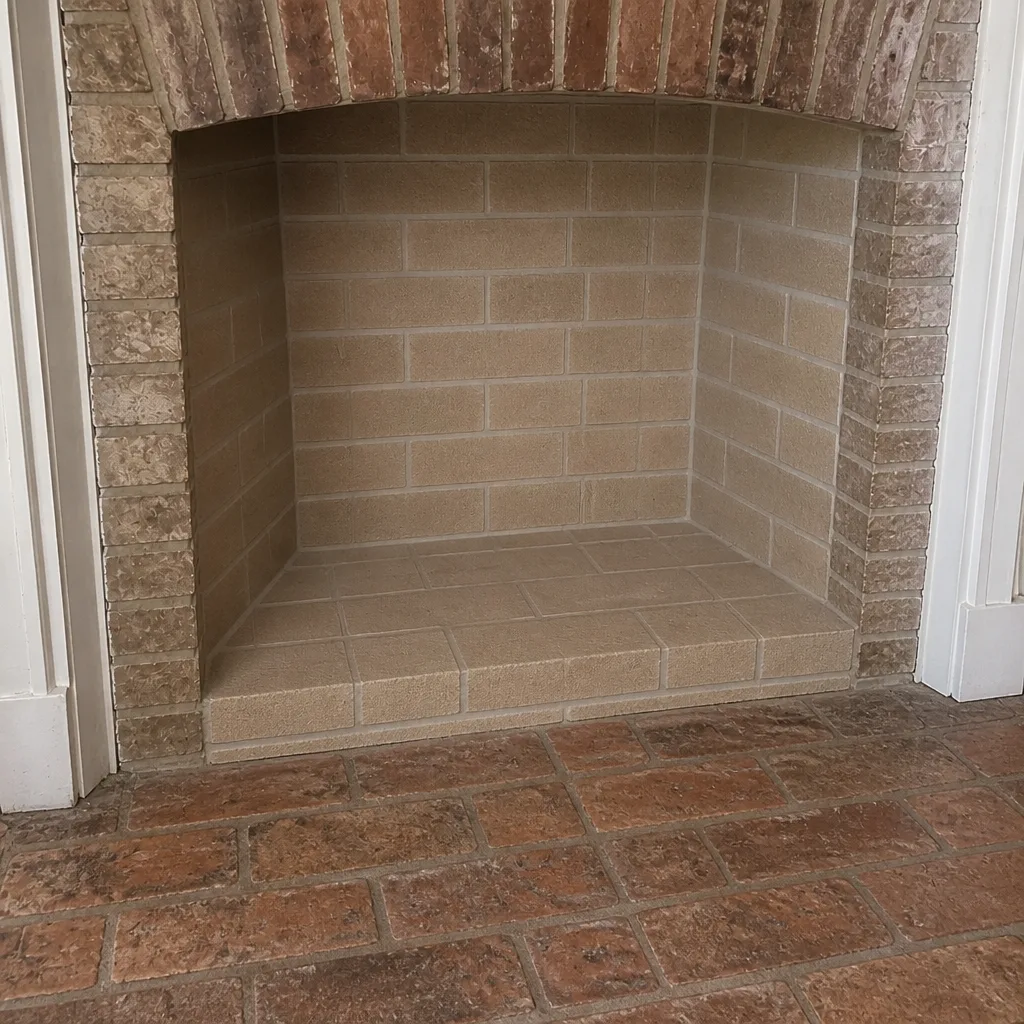
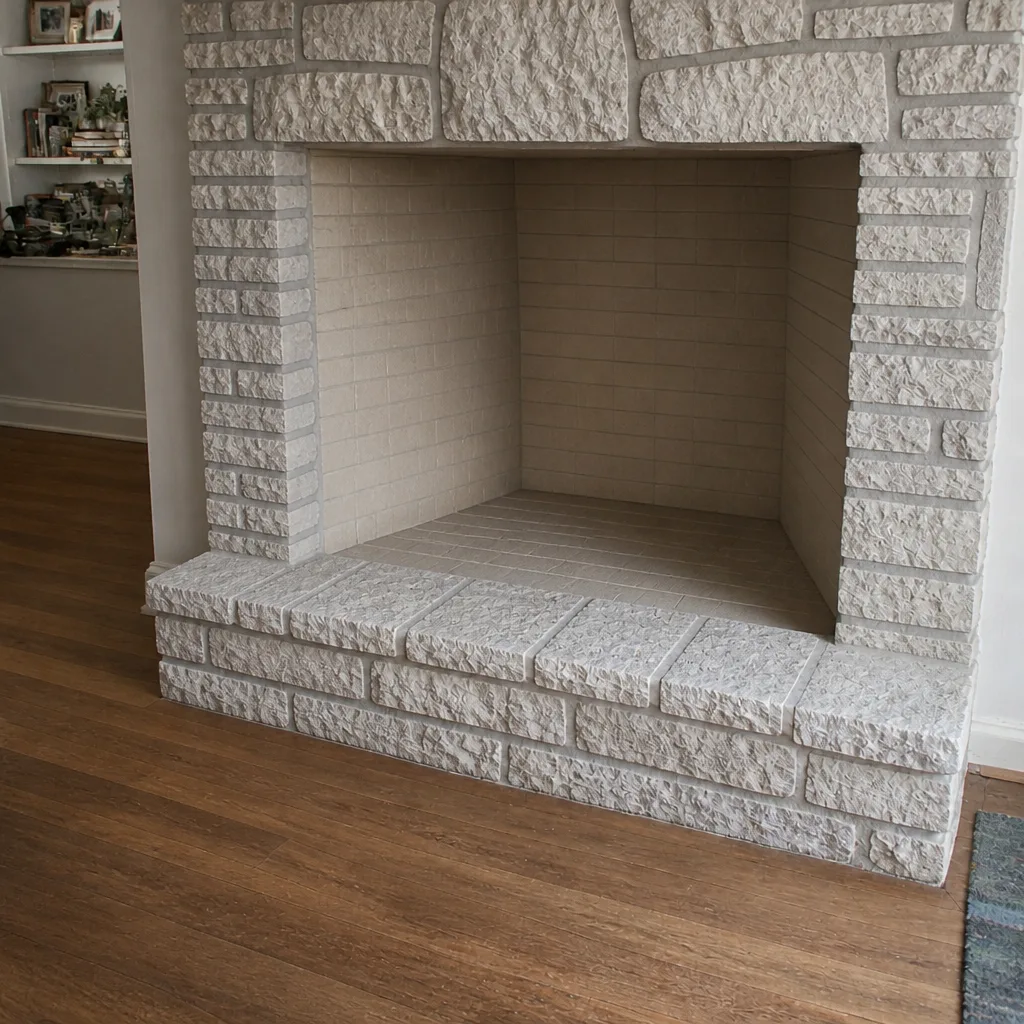
A crack in a firebox panel is a signal, not a surface flaw. In our experience, the fast, honest fix at stage one or two is resurfacing with a repair-grade product like HeatShield, which restores damaged flue and firebox surfaces without a full reline. By stage four, that option may no longer be on the table. If you’ve spotted a crack, stop using the fireplace until it’s inspected. Don’t caulk it, don’t paint it, and don’t assume it will hold.
Damper Problem or Flue Sizing Problem? Telling Them Apart
You don’t need to climb on the roof to tell these apart. A damper problem and a flue sizing problem both cause smoke, but they behave differently and leave different clues. Here’s how to read them from inside the house.
Signs of a damper problem
- The damper handle moves but the flue doesn’t draw any better.
- The damper plate is visibly warped, rusted, or stuck open or closed.
- Smoke rolls into the room only in the first few minutes, then settles as the flue warms.
- The damper rusts or sticks after a humid Pasadena summer. That’s a common pattern here.
Signs of a flue sizing problem
- The fireplace has always smoked, even when clean and fully open.
- Smoke spillage is worse with a big fire and better with a small one.
- The firebox opening is large but the flue is short or oversized for the opening.
- A chimney professional measured the flue and found it larger or smaller than the firebox requires.
The quick test: light a small fire and watch it for ten minutes. If the draw improves as the flue warms, it’s likely a damper or cold-flue issue. If it never improves, the flue is probably the wrong size for the firebox, or something is blocking it. That second case needs a camera inspection, not a guess. Flue sizing is a math problem you solve with measurements, not trial and error. When we find an oversized flue on a Pasadena home, a properly sized liner, such as a DuraFlex flexible stainless liner, can correct the draw and line the flue at the same time.
Water Intrusion: Crown, Cap, and Flashing Failures
Water does more damage to a chimney than fire does, and in a humid place like Pasadena the exterior parts of the chimney take the worst of it. The crown, cap, and flashing are the three places water gets in, and each fails in a different way.
- The crown. The concrete slab at the top of the chimney. Hairline cracks let water in and it runs down the flue or into the masonry. A spalling, cracked crown needs repair or replacement, not a coat of sealant over the cracks.
- The cap and spark arrestor. A rusted or missing cap lets rain straight down the flue and gives birds and squirrels an open door. A properly fitted cap from a brand like Gelco blocks both without killing draft.
- The flashing. The metal where the chimney meets the roof. Lifted or rusted flashing sends water into the attic and roofline. This is a roofing and chimney detail, and it needs to be handled as one.
Water intrusion shows up inside as a musty smell, a damp firebox, rusted damper hardware, or white staining on the brick. If you see any of those after a heavy rain, the exterior system needs a look. We specify professional-grade cap and crown components because the cheap hardware-store versions rust out fast in this climate. Our team handles the crown, cap, and flashing as one job, so the exterior system gets fixed as a whole. Head over to our Pasadena service page if you want the local rundown.
What You Can Safely Monitor vs. What Needs the Flue Shut Down
Not every problem needs a same-day call, and not every problem can wait. Knowing which is which protects your home and keeps you from spending on repairs you don’t need yet. Here’s how we sort it.
Safe to monitor between service visits
- A faint creosote smell in summer with no visible deposits.
- A little smoke at cold start that clears once the flue warms.
- Minor surface rust on the damper handle.
- A small spot of efflorescence (white staining) on the exterior brick.
- Light, dry soot flaking in the firebox.
Shut the flue down and call
- Any crack in a firebox panel or brick joint.
- Smoke or carbon monoxide alarms going off when the fireplace is in use.
- Real smoke spillage that doesn’t clear once the flue warms.
- A strong creosote odor with visible glaze or soot on the damper.
- Water actively dripping into the firebox.
- A partially blocked or collapsed flue found on inspection.
Carbon monoxide is the one to take seriously. It’s odorless, and a damaged firebox or flue can route combustion gases into the house instead of up. If you have any doubt, shut the fireplace down until a professional has looked at it. A sofa and a CO alarm don’t mix. Our rule is simple: when the damage is structural or the wind is blowing the wrong way, wait for a sweep and inspection before lighting another fire.
A Simple Sweep-and-Inspection Rhythm for Pasadena Homes
The best troubleshooting is prevention. A chimney that gets swept and inspected on a regular rhythm rarely surprises you, and problems get caught at stage one of the failure chain rather than stage four. For a home with an active fireplace in Pasadena, here’s the rhythm that works.
- Annual sweep. One sweep per season of use is the standard baseline. If you burn a lot of wood, more often. This clears creosote before it glazes.
- Annual inspection. A camera inspection catches what a brush misses: cracked tiles, damaged firebox panels, moisture issues, and crown or cap failures.
- Pre-season check. Before burning season starts, have the chimney swept and inspected so you’re not troubleshooting smoke on the first cold night.
- Post-season look. After the last fire, check the firebox for new cracks and the exterior for water intrusion.
- Exterior check. Look at the crown, cap, and flashing once a year, ideally after the rainy season.
Wood quality matters too. Seasoned, dry wood produces less creosote than green wood, and Pasadena’s humidity makes drying wood a real project. Keep firewood covered and off the ground. If you’re not sure whether your chimney is due, a sweep and inspection will tell you plainly. You can reach us at (833) 334-7488. We answer 24/7. Fast dispatch from 7am to 7pm, Sunday through Friday, closed Saturday.
Common Mistakes to Avoid
- Opening the damper wider when the real problem is pressure. In a tight Pasadena home, a wide-open damper pulls more air from the room and can make the draw worse. Test with a cracked window before you touch the handle.
- Treating a firebox crack as cosmetic. Caulk and paint hide the crack without fixing the structural loss behind it. The moisture gets in either way.
- Burning green or damp wood to save money. It smolders, produces more creosote, and in a humid climate the moisture never leaves the flue. Dry wood burns cleaner and drafts better.
- Assuming a summer creosote smell will go away on its own. It’s a sign that the flue isn’t drafting right and there’s creosote to clean. Sweep and cap it, or it comes back every summer.
- Skipping the inspection because the sweep looked clean. A brush clears the flue. It doesn’t tell you about a cracked tile, a failing crown, or a moisture problem in the masonry.
- Letting a cheap cap rust out in a Pasadena summer. A rusted cap lets water straight down the flue. The hardware-store version doesn’t hold up here.
- Relighting the fire after a spill and hoping it clears. If smoke comes in and stays in, shut the damper down and call. Don’t wait to see if it improves.
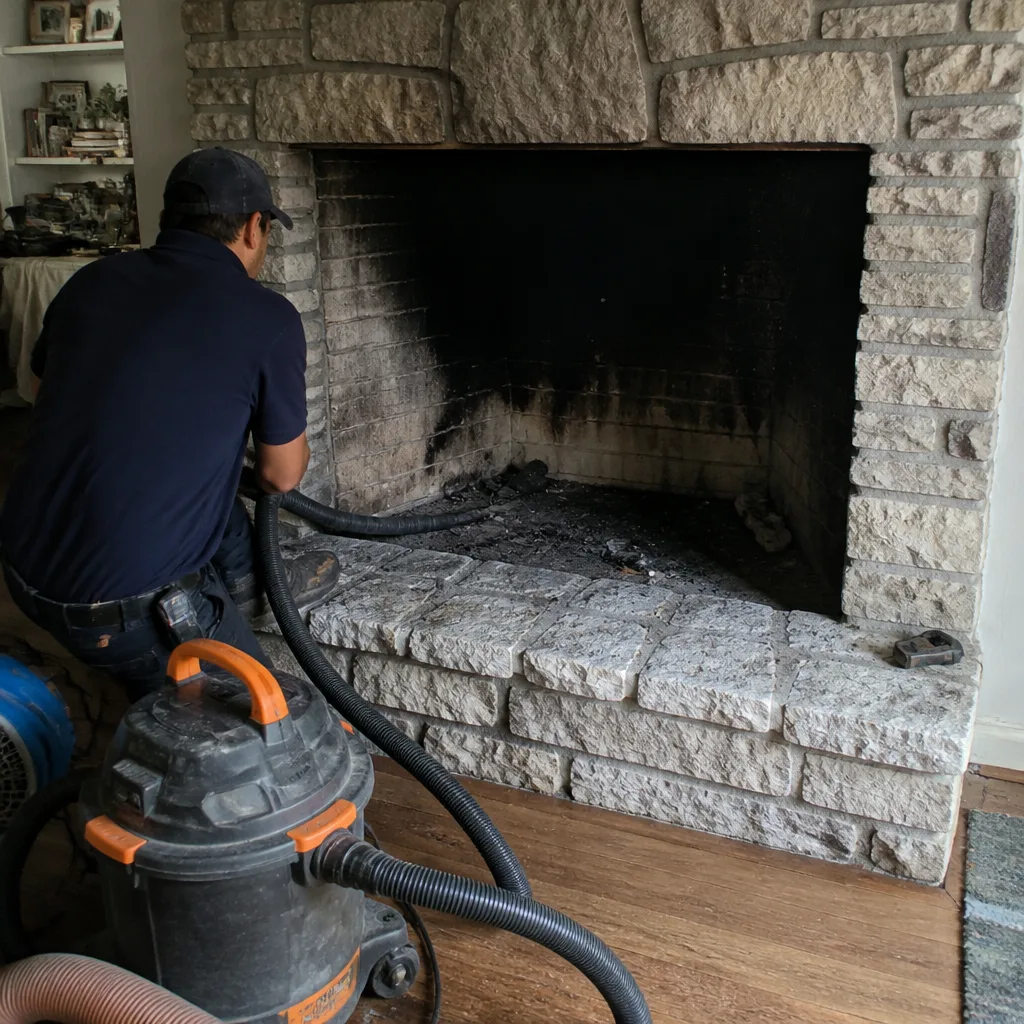
See the difference
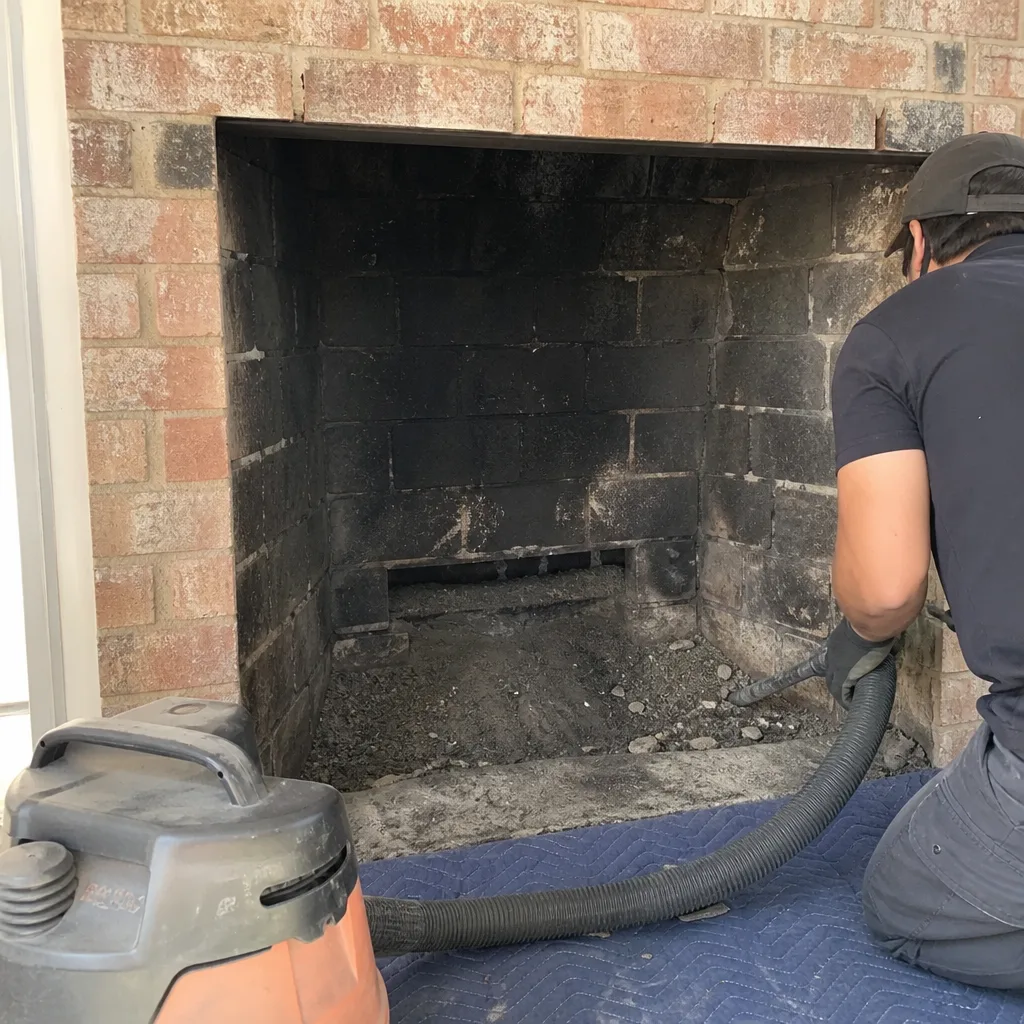 Before
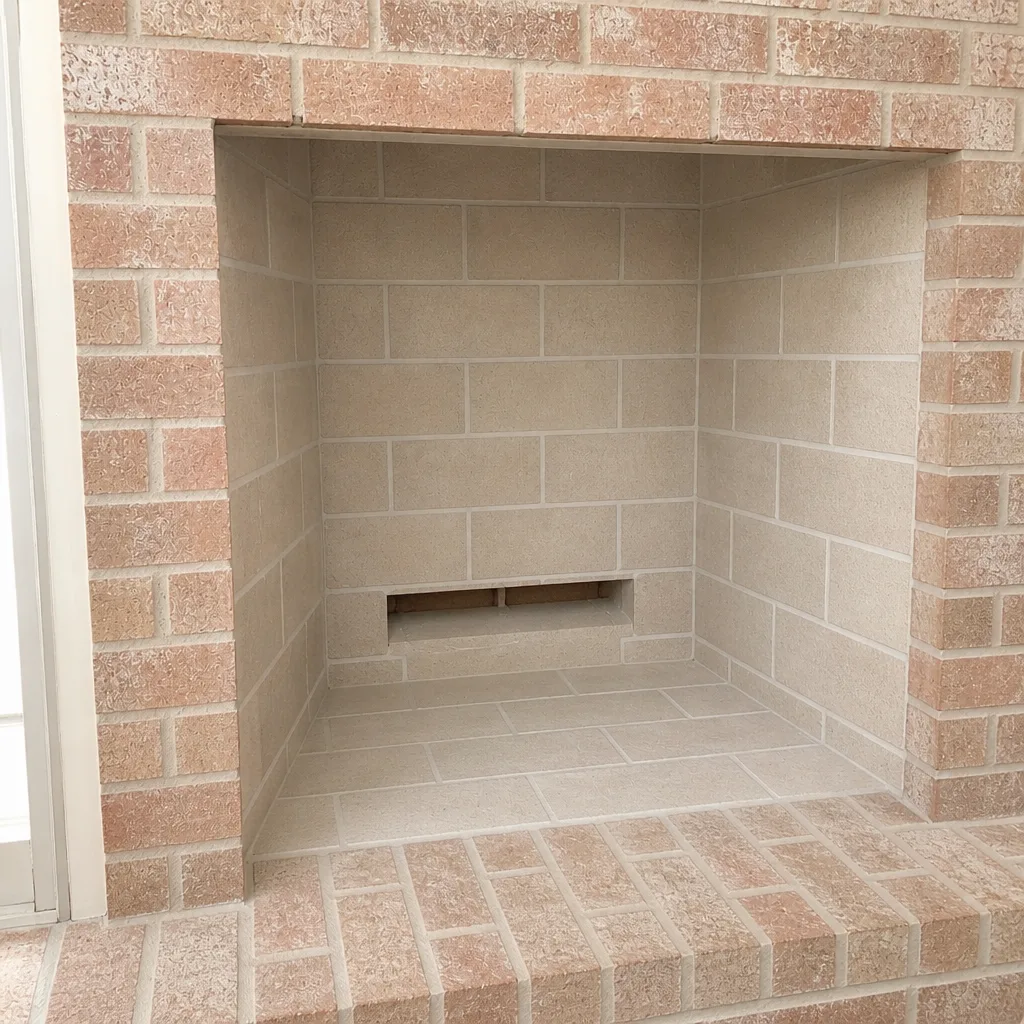 After
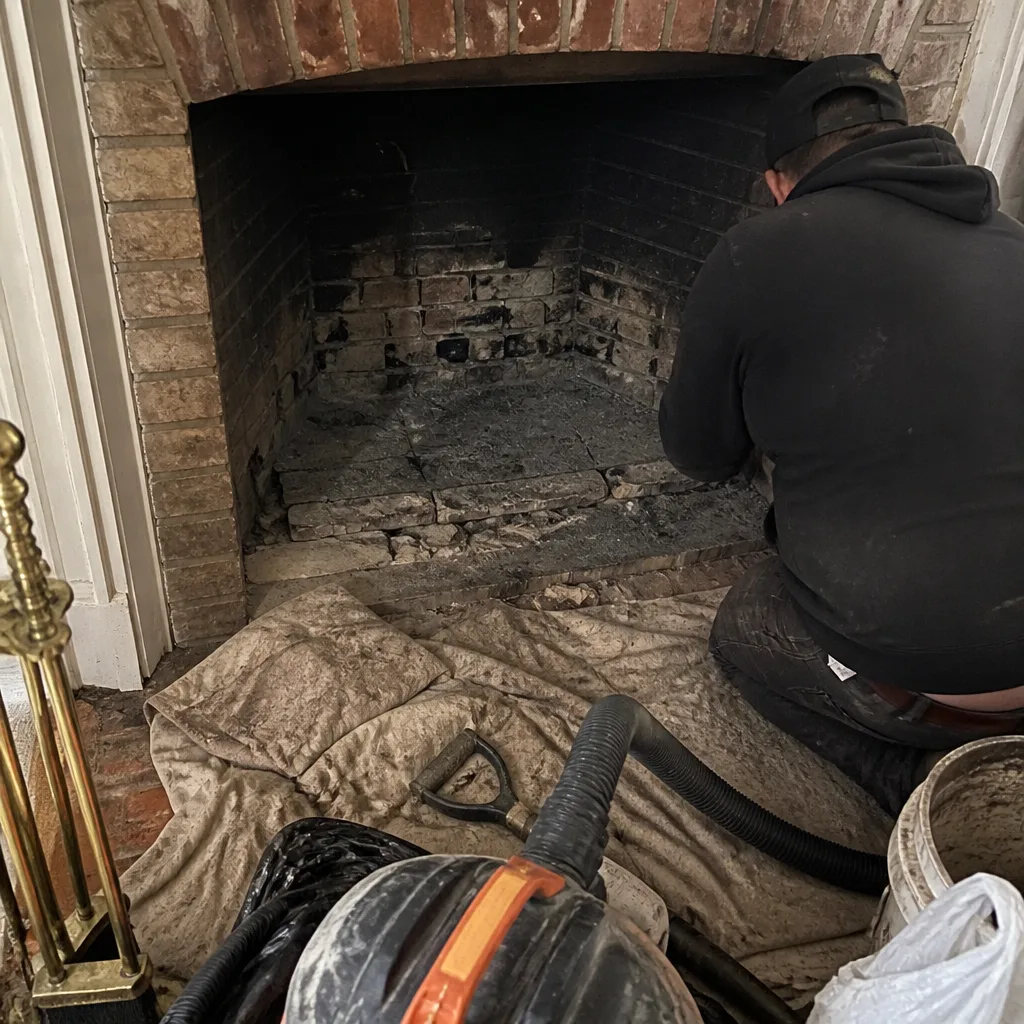 Before
 After
 Before
 After
When to Call a Professional
Call a professional when the problem is structural, when it involves carbon monoxide, or when you’ve ruled out the simple fixes and smoke still comes in. Specifically: a crack in the firebox panel or brick, a chimney that smokes no matter what you try, water getting into the firebox, a damper that won’t operate, or a CO alarm when the fireplace is burning. Those aren’t monitoring problems. They’re inspection problems. Remington Chimney Sweep offers free estimates in Pasadena. Call (833) 334-7488. We answer 24/7. Fast dispatch from 7am to 7pm, Sunday through Friday, closed Saturday. Our technicians have up to 14 years of experience, and we specify professional-grade materials on every job, including HeatShield, DuraFlex, and Gelco.
Frequently Asked Questions
A chimney sweep in Pasadena typically costs in the range of a standard residential sweep plus an inspection, and the written estimate sets the final price. Pricing is per job and depends on access, creosote load, and whether an inspection or repair is needed. Call (833) 334-7488 for an exact quote. Estimates are free.
Sometimes yes, often no. A liner is recommended when the flue tile is cracked, the flue is the wrong size for the firebox, or a damaged flue can’t be restored with a resurfacing product like HeatShield. If HeatShield can restore the flue, you don’t need a full reline. Call (833) 334-7488 to have your flue assessed before you decide.
Once per season of use is the standard, and more often if you burn a lot of wood. Pasadena’s humidity means moisture-rich flue gas and sticky creosote, so an annual sweep and inspection catches problems early. Call (833) 334-7488 to book a sweep before burning season.
Creosote builds up, draft weakens, and the risk of a chimney fire goes up. Skip it long enough and a firebox or flue crack can let carbon monoxide into the house. A sweep and inspection is the cheap end of chimney ownership. Call (833) 334-7488 to schedule one.
Humid air is lighter than a cool flue, so it flows down instead of up, and a moisture-heavy flue warms slowly. That combination causes smoke at startup and creosote odor in summer. The fix is usually a sweep plus a cap or top-sealing damper. Call (833) 334-7488 for an inspection.
No. Shut the fireplace down until a professional inspects it. A cracked firebox panel lets heat and gases reach the masonry behind it, and that can lead to carbon monoxide exposure. Call (833) 334-7488 for a prompt inspection.
The Bottom Line
Most chimney problems in Pasadena trace back to a handful of upstream causes: moisture and draft, negative house pressure, a blocked or dirty flue, a failing damper or oversized flue, a cracked firebox, or water getting in through the crown, cap, or flashing. Learn to read the chain and you’ll stop paying for repairs that fix the symptom instead of the source. Sweep annually, inspect annually, and shut the flue down when the damage is structural. When in doubt, get it looked at. Remington Chimney Sweep works with professional-grade brands and covers the full chimney in one call. Call (833) 334-7488 to book a free estimate.
Written by the team at Remington Chimney Sweep.