
Last updated November 15, 2026
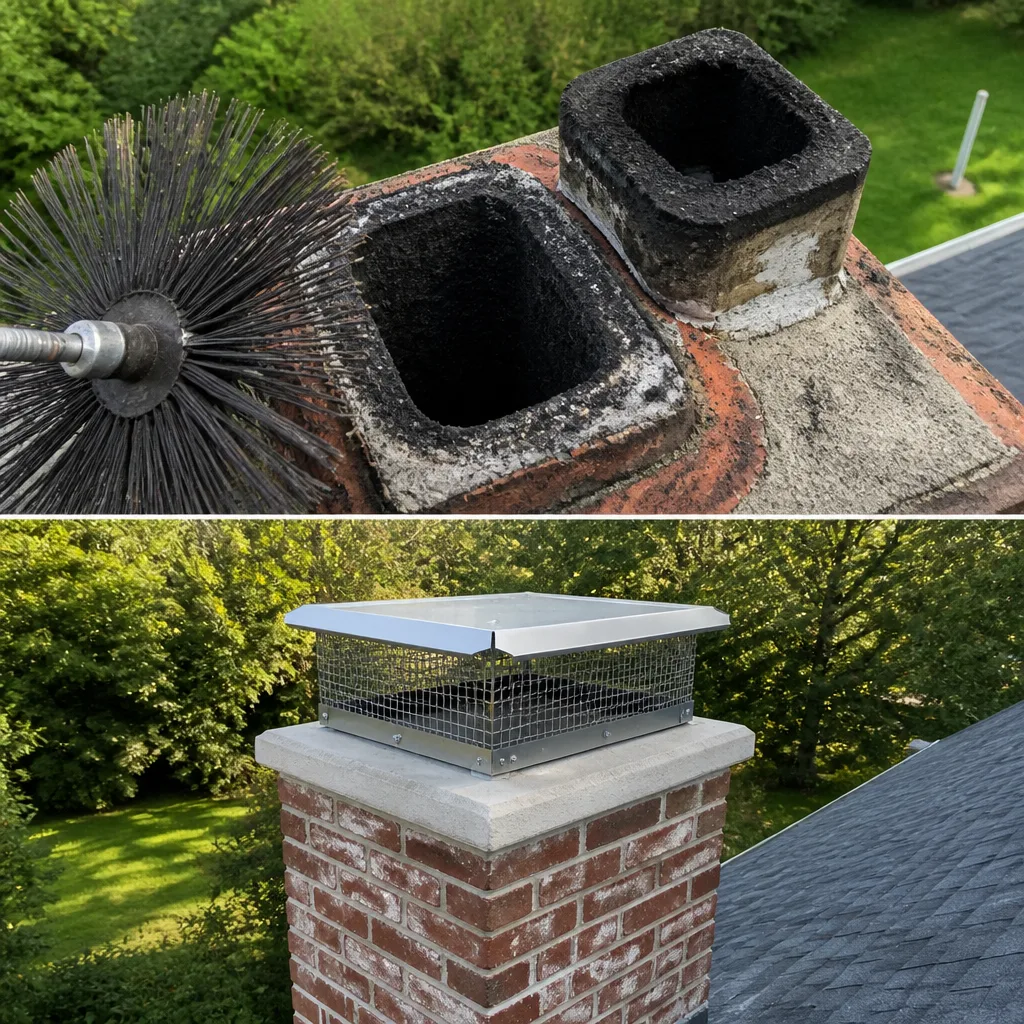 Sweep & inspection
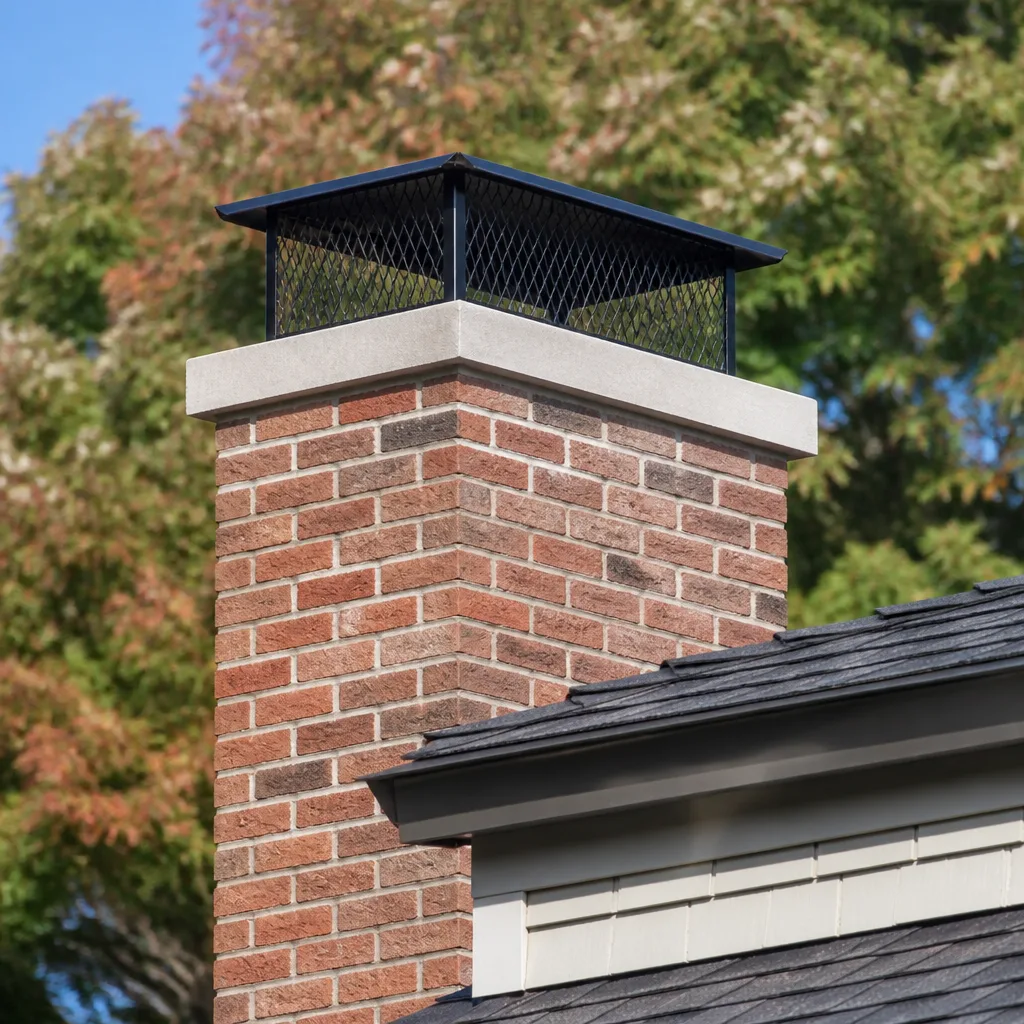 Caps & crowns
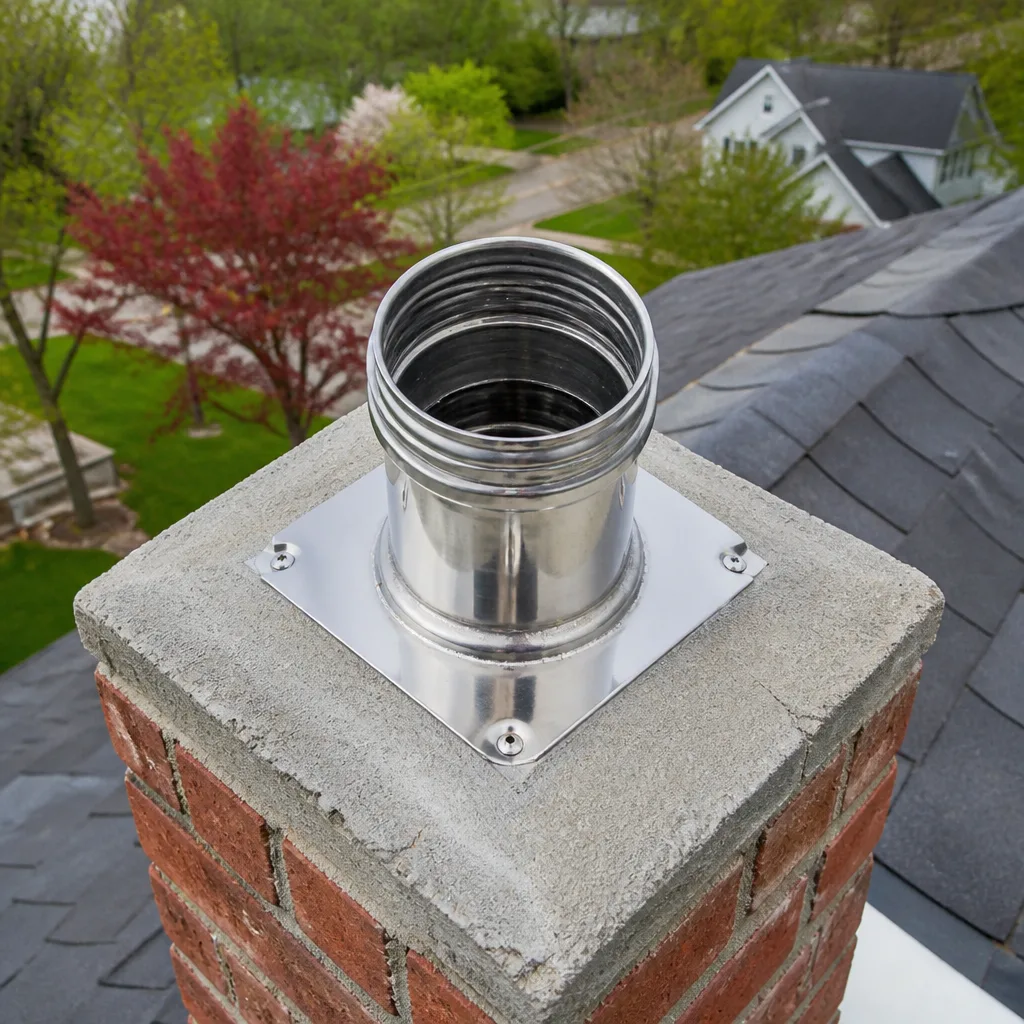 Flue relining
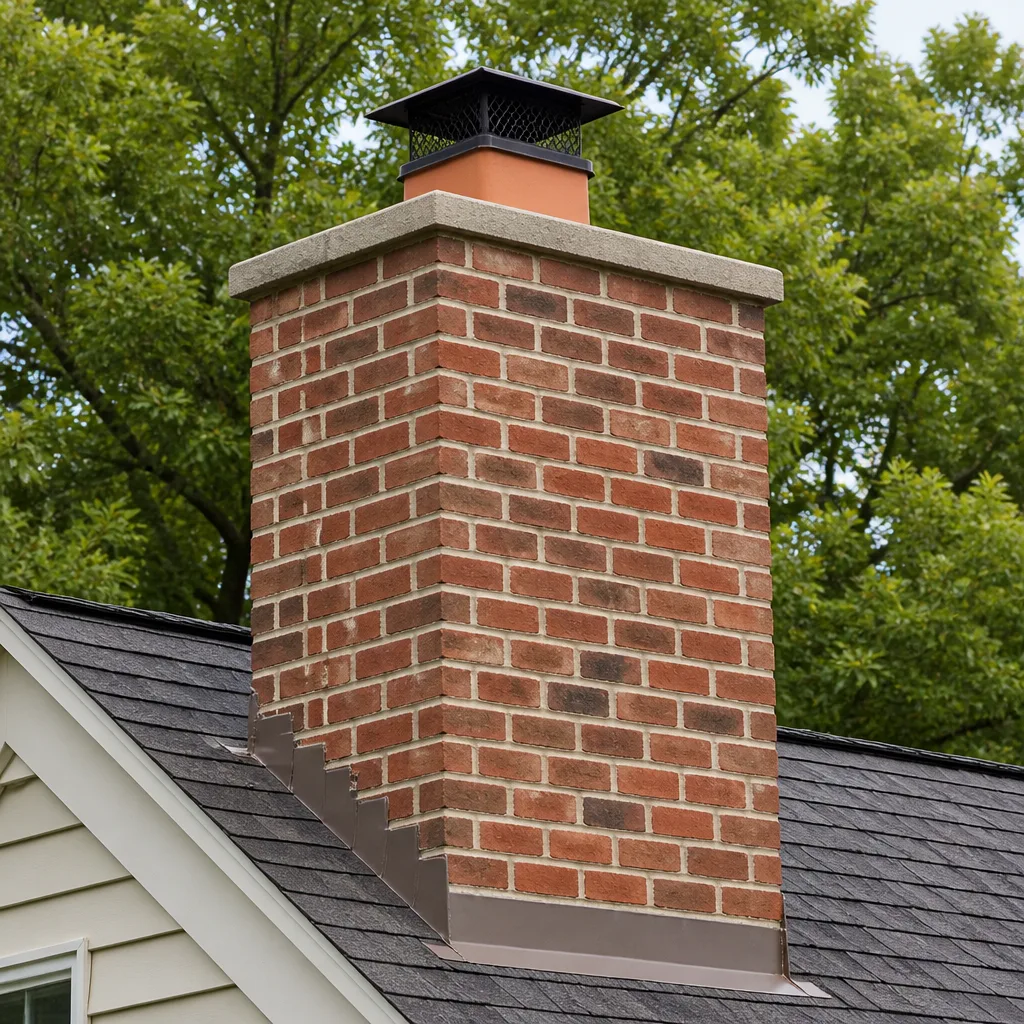 Masonry repair
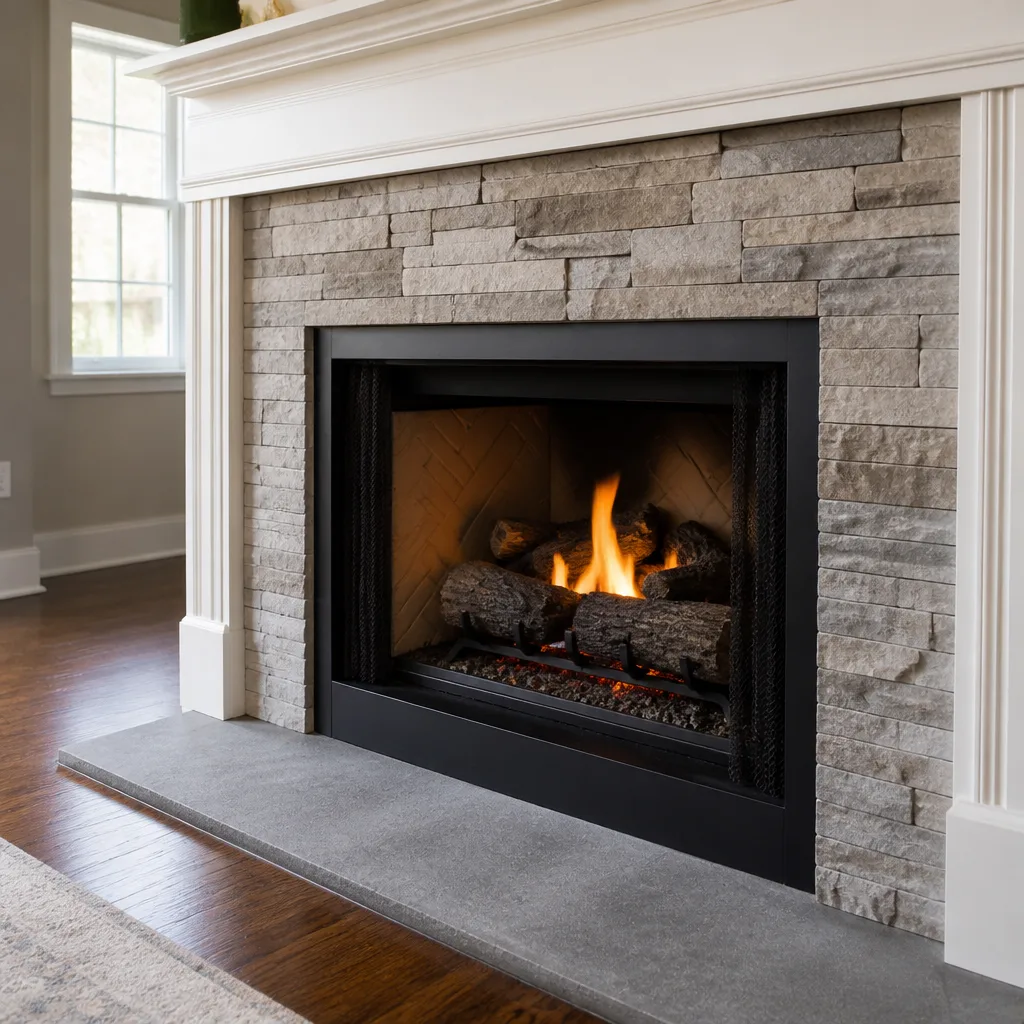 Gas fireplace service
Level 1 sweep and inspection to the NFPA 211 annual standard - flue, crown, cap, and flashing checked and photographed
Chimney sweep logs do not sweep chimneys. They loosen some creosote - which then falls where a brush and vacuum still have to collect it.
Chimney Cleaning Warning Signs: A Pasadena Homeowner’s Reference Guide
By the time you can smell creosote in your living room with the fireplace off, you’ve already missed several earlier warning signs that a Gulf Coast chimney gives you months in advance. That’s the part most guides skip. They point you toward the dramatic clues – smoke rolling back into the room, a black column of soot – and ignore the quiet ones that show up long before: a powdery white bloom on the exterior brick, a thin rust ring on the firebox floor, a faint musty smell in July. This guide walks through those early indicators, explains how to tell cleaning signals from repair signals, and shows you what you can safely check from the ground in Pasadena. Read it once and you’ll know what your chimney is telling you.
Quick Answer
The earliest warning signs that a Pasadena chimney needs attention are usually not visible inside the firebox – they show up as efflorescence on exterior brick, rust staining on the firebox floor, a musty odor during humid months, a damaged crown or missing cap, and uneven soot patterns left behind by incomplete sweeping. Any one of these means it’s time for a professional inspection, and signs of structural movement or water intrusion mean you should stop using the fireplace until it’s checked.
Styles & brands we work with
- Sweep & inspection
- Caps & crowns
- Flue relining
- Masonry repair
- Gas fireplace service
Table of Contents
- The Early Warning Signs Most Guides Skip
- How Gulf Coast Humidity Shortens a Chimney’s Life
- Settling vs. Structural Movement: How to Tell the Difference
- The Ground-Level Check You Can Do This Weekend
- Signs a Previous Sweep Did Incomplete Work
- Cleaning Signals vs. Repair Signals – and Why Conflating Them Is Costly
- Creosote: What It Looks Like and Why It Matters
- When to Stop Using the Fireplace Immediately
The Early Warning Signs Most Guides Skip
Most chimney checklists are written for cold, dry climates. They focus on obvious interior clues – smoke spillage, heavy soot on the fireplace face, a strong creosote smell. Those matter here too, but they tend to arrive late. In Pasadena, the chimney usually starts complaining on the outside of the house long before it complains inside.
Here’s what the earlier signals look like:
- Efflorescence on exterior brick. A chalky white powder or crust on the brick surface isn’t mold – it’s mineral salt pushed out as water migrates through the masonry and evaporates. On a chimney, it’s the most reliable early clue that water is getting into the structure somewhere: the crown, the flashing, or the mortar joints themselves.
- Rust staining on the firebox floor or damper. A little orange-brown tint near the damper assembly or at the base of the firebox is a sign the chimney has been wet. Steel components rust when moisture sits inside a flue that isn’t venting or draining correctly.
- A musty odor in summer. When the fireplace is dormant and the humidity is high, an unused flue can smell like a damp basement. That odor is a sign the chimney is pulling humid air down and holding it. It’s not dangerous on its own, but it tells you the flue isn’t breathing the way it should.
- Loose or crumbling mortar at the chimney stack. You can spot this from the ground with binoculars. If the mortar between the bricks at the top of the stack looks sandy or gapped, the chimney is taking on water at its most exposed point.
- Spalling brick. When the face of a brick flakes off and leaves a pitted surface, freeze isn’t the cause here – moisture cycling inside the masonry is.
None of these mean the chimney is about to fail. Each one is a message. The sooner you read the message, the cheaper the response. We’ve seen homeowners in Pasadena spend far more on a chimney that was ignored for two seasons than on one that got looked at when the first white bloom appeared. If you’re seeing any of these signs, a routine chimney sweep with a camera inspection is the right next step.
How Gulf Coast Humidity Shortens a Chimney’s Life
Pasadena sits in a humid subtropical climate. That single fact changes the timetable for almost everything that goes wrong with a chimney. Winters here are mild – rarely cold enough to keep a fire going for weeks – so fireplaces get used in bursts. That on-again, off-again pattern keeps the flue cycling between hot and cold, damp and dry. Meanwhile, the outdoor humidity stays high for months at a stretch.
What that means in practice:
- Creosote forms more slowly than in cold climates because fires burn less continuously, but it also stays softer and stickier longer – which means it grabs dust, soot, and moisture more readily.
- Water intrusion does more damage here than cold-weather freeze damage does in other parts of the country. A hairline crack in the crown lets in humid air year-round, and that’s what corrodes dampers and mortar from the inside.
- An unused chimney is more vulnerable than a used one. A flue that sits empty through a humid stretch gathers condensation and odor, and the masonry never fully dries out.
- Caps and crowns do the heavy lifting. A chimney without a properly fitted cap is essentially a rain funnel in this climate. That’s why we specify chimney repair for crowns, caps, and flashing as part of routine maintenance – not as an upsell.
The practical takeaway: in Pasadena, water management and chimney health are the same conversation. When we look at a chimney here, the exterior system – crown, cap, flashing, and masonry – gets the same attention as the flue. We use Gelco and Famco caps and covers and HeatShield resurfacing precisely because those are the products that hold up to a wet, warm climate. That’s what we mean by specifying professional-grade materials: the parts are chosen for the conditions, not pulled off a shelf.
Settling vs. Structural Movement: How to Tell the Difference
Older masonry chimneys in Pasadena move. So does the house around them. A certain amount of settling is normal, harmless, and expected in any masonry structure. But some movement isn’t settling – it’s a problem in progress, and the two can look almost identical from inside the living room. Here’s how to tell them apart.
Signs that are most likely normal settling
- Hairline cracks in mortar joints that haven’t grown. If a crack is the width of a credit card edge and hasn’t changed in a year, it’s almost certainly cosmetic. Note it, check it again next season.
- Small cracks in the firebox mortar. Firebox mortar takes heat cycling and shrinks slightly over time. If the firebox brick itself is intact and the cracks are surface-level, this is common and can be repointed.
- Occasional “ticking” or “popping” sounds when the chimney heats up or cools down. That’s the metal and masonry expanding at different rates. It’s normal.
Signs that point to actual structural movement
- A crack in the exterior brick that’s wider at one end than the other. Stair-step cracks in the mortar – diagonal lines that follow the brick pattern – suggest differential settlement.
- The chimney leaning away from the house. Check from the ground with a straight edge of vision. Even a small visible lean on a masonry chimney is worth a professional look.
- Daylight visible through a firebox wall. If you can see light through the masonry, stop using the fireplace and get it inspected before the next fire.
- Inexplicable whistling or drafts you didn’t have before. A new draft can mean the seal between the chimney and the flue has opened up.
- Cracks or gaps opening between the chimney and the roofline. Flashing that’s pulling away is both a structural and a water-intrusion signal.
If any of the second group applies to your chimney, treat it as a repair signal, not a cleaning one. That distinction matters, and we’ll come back to it. The simplest way to find out for certain is with a camera inspection, which shows the inside of the flue the same way a plumber’s camera shows a drain.
The Ground-Level Check You Can Do This Weekend
You don’t need to get on the roof to spot the most common exterior problems. A pair of binoculars, a walk around the house, and fifteen minutes will tell you more about your chimney’s condition than any interior glance ever will. Here’s how we’d suggest you do it.
- Stand back and look at the top of the chimney against the sky. You’re checking for a missing or damaged cap, a rusted cap, or a crown that’s visibly cracked. The crown is the sloped concrete or mortar surface on top of the chimney – it’s supposed to shed water away from the flue. If it’s cracked, pitted, or missing chunks, water is getting in.
- Look at the mortar joints on the stack. Well-maintained joints look slightly recessed and even. If the mortar looks sandy, washed out, or if bricks are loose, the top of the chimney is taking water damage.
- Check the flashing where the chimney meets the roof. Flashing is the metal that seals the gap between the chimney and the roof shingles. Look for lifted metal, pulled fasteners, rust, or gaps. This is where most roof leaks around a chimney start.
- Scan the brick for efflorescence and spalling. White powdery residue equals water migration. Flaking brick face equals moisture cycling. Either one means an inspection is overdue.
- Look at the roofline for staining. Brown streaks on the shingles or plywood near the chimney suggest water tracking down from a faulty crown or flashing.
What you should not do: climb onto the roof. Rooftop work on a chimney requires proper equipment and fall protection, and it’s one of the leading sources of injury for homeowners. Everything above can be seen from the ground or from a window. What you can’t see – and what a camera inspection is designed to reveal – is the condition inside the flue, the smoke chamber, and the damper. For anything on the roof, call a professional. The risk isn’t worth it. When you have a professional out, they can also spot small issues while they’re up there – a loose cap fastener, a crown that needs a fresh coat of sealant – before they turn into roof leaks. For a full picture of what’s involved, see our Pasadena service overview.
Signs a Previous Sweep Did Incomplete Work
Not every sweep is thorough. In our experience, the most common problems left behind by an incomplete job fall into three categories: soot patterns, smoke chamber debris, and the damper. Here’s what to look for if you’re not sure the last service was done properly.
Uneven soot patterns
After a proper sweep, the inside of the flue should show a fairly even, light coating. If you look up the flue and see striped or patchy soot – dense in some areas, clean in others – that’s a sign the brush didn’t reach the full circumference, usually on an offset or irregular flue. Flexible liners and rotary tools are what make a full sweep possible on those configurations. That’s part of why we work with DuraFlex liner systems – a flexible flue that’s hard to reach with a standard brush can still be cleaned properly, and if it needs relining, we’re not turning the job over to a subcontractor.
Debris in the smoke chamber
The smoke chamber is the funnel-shaped area above the damper and below the flue. It collects soot and creosote crumbs that a quick sweep leaves behind. If you can see debris, soot dust, or creosote flakes on the smoke shelf, the sweep didn’t clean the whole system. This is one of the earliest signs of an incomplete job, and one of the easiest to miss unless the technician uses a camera.
A damper that won’t fully seal
The damper is the plate that closes off the flue when the fireplace isn’t in use. It should close completely. If it hangs open a little, or won’t move freely, or if you can see light around the edges when it’s shut, that’s both an incomplete sweep and a heat-loss problem – warm air escapes up the flue in winter and humid air comes down in summer. A damper that won’t seal is one of the most common things we find after a discount sweep.
Other signs of an incomplete job
- No photo report. A camera inspection should come with photos you can look at yourself. No photos means you have no way to verify what was found.
- No mention of the crown or cap. A sweep that only touched the flue and ignored the exterior missed most of the system.
- Soot left on the fireplace face or hearth after the visit. Clean jobs leave clean rooms.
- A bill for work without an explanation of what was found. If the sweep didn’t tell you what shape your chimney was in, you don’t know what you paid for.
This is why we do a camera inspection on every chimney we look at. Nothing is recommended without evidence you can see for yourself – because you shouldn’t have to take our word for it. That’s the standard this company is built on.
Cleaning Signals vs. Repair Signals – and Why Conflating Them Is Costly
Here’s where homeowners get into trouble. They lump every chimney problem into one category and either ignore it all or panic-order the most expensive fix. The right approach is to sort your observations into two buckets: cleaning signals (maintenance, routine, can be scheduled) and repair signals (stop using the fireplace until fixed). Getting this wrong is the single most expensive mistake we see in Pasadena.
Cleaning signals – schedule it, don’t panic
- A normal layer of soot or soft creosote on flue walls
- A slightly smoky smell on first lighting the fireplace after the off-season
- Visible soot on the fireplace face after a season of use
- A chimney that hasn’t been inspected in two or more seasons
Repair signals – stop using the fireplace until inspected
- Rust staining on the firebox floor or damper
- Visible cracking or spalling in the firebox brick
- A crack in the flue tile visible through a camera or from the firebox
- A damaged or missing chimney cap or crown
- A damper that won’t seal
- Any sign of structural movement covered above
The reason this matters: a chimney that just needs cleaning is a routine cost. A chimney that needs repair – and gets “cleaned over” instead – becomes a repair-plus-damage cost when the underlying problem keeps getting worse. A small crack in a flue tile can turn into a water entry path for the whole masonry chimney. Water damage is what produces the efflorescence, the rust, and eventually a full reline. The difference between a few hundred dollars and a few thousand often comes down to whether a repair signal was treated as a cleaning signal.
We’ve also seen the reverse: a homeowner told they need a full liner when a HeatShield resurfacing would have restored the flue tile for much less. That’s why we’re firm about what we change. Nothing gets recommended unless a camera shows it. If work can safely wait, we say so. It’s the only way we’ve found to make a chimney inspection something you can trust.
Creosote: What It Looks Like and Why It Matters
Creosote is the byproduct of burning wood – a mix of tar, soot, and unburned gases that condenses on the inside of the flue. It’s the main reason chimneys are swept, and it comes in three forms that behave very differently.
- First-degree creosote. A light, dusty, easily-brushed coating. This is what a normal sweep removes.
- Second-degree creosote. A sticky, tar-like deposit. Harder to remove, and it tends to build in patches – which is where uneven soot patterns come from.
- Third-degree creosote. A hardened, glazed coating that looks like black glass. It’s difficult to remove with a brush and represents a significant fire hazard because it burns hot when it ignites.
Creosote builds faster when fires burn cool and smoky. In Pasadena, that pattern is common – fires built in mild weather, burned low, and left to smolder. If you’re smelling creosote when the fireplace is off, the deposit is heavy enough that the chimney is holding a strong odor. That’s a cleaning signal at a minimum, and it should be scheduled before the next burn season.
We get asked a lot whether creosote is really as dangerous as it sounds. It is. A chimney fire fed by third-degree creosote can reach temperatures high enough to crack masonry or flue tile, and a chimney fire can burn without anyone in the house knowing it’s happening. That’s not said to scare you – it’s the reason regular sweeping exists as a service. The good news is that creosote is entirely manageable with routine maintenance. A swept chimney is a safe chimney.
When to Stop Using the Fireplace Immediately
Most warning signs give you time. A few don’t. If you see any of the following, stop using the fireplace immediately and get a professional in to look at it before the next fire.
- Any visible crack in the firebox brick. Heat and flame can pass through a cracked firebox into the structure of the chimney.
- Daylight visible through the firebox wall. This is a direct integrity concern, not a maintenance item.
- A rusted-through or disconnected flue. If the flue has separated from the cap or the top of the chimney, the smoke has nowhere safe to go.
- Any hint of carbon monoxide in the house. A working CO detector is your first line of defense. If it alarms, treat it as a real emergency and get everyone outside.
- Smoke rolling back into the room persistently. Occasional puffing on first lighting can be normal, but sustained backdrafting means the chimney isn’t venting and needs to be inspected.
- A chimney fire, even a small one. Even a small chimney fire can crack tile. Have it inspected before the next use.
None of these scenarios require guesswork. All of them require a trained professional on site, a camera inspection, and a written report of what was found and what needs to happen next.
Common Mistakes to Avoid
- Treating a repair signal as a cleaning signal. Getting the flue swept when the crown is cracked just cleans a chimney that’s still taking on water. Fix the water path first, then clean.
- Skipping the exterior. In Pasadena’s humidity, the crown and cap are as important as the flue. A sweep that never looks at the top of the chimney has only done half the job.
- Assuming the last sweep was thorough. Uneven soot, smoke-chamber debris, and a damper that won’t seal are the fingerprints of a quick job. If you don’t have a photo report, you don’t have proof.
- Burning low and slow to “save wood.” Cool, smoldering fires are exactly what produces heavy creosote. In this climate, smoldering overnight fires are the fast track to a dirty flue.
- Climbing on the roof to check the cap. Binoculars from the ground show you almost everything you need. Rooftop work is a job for a professional with the right equipment.
- Putting off a repair because it “seemed okay in the summer.” Water intrusion damage gets worse over the humid months, not better. A small crack in April is a bigger problem by October.
- Assuming all chimney liners need to be replaced. HeatShield resurfacing can restore a damaged flue tile without a full reline in the right circumstances. A thorough inspection is what tells you which one you actually need.
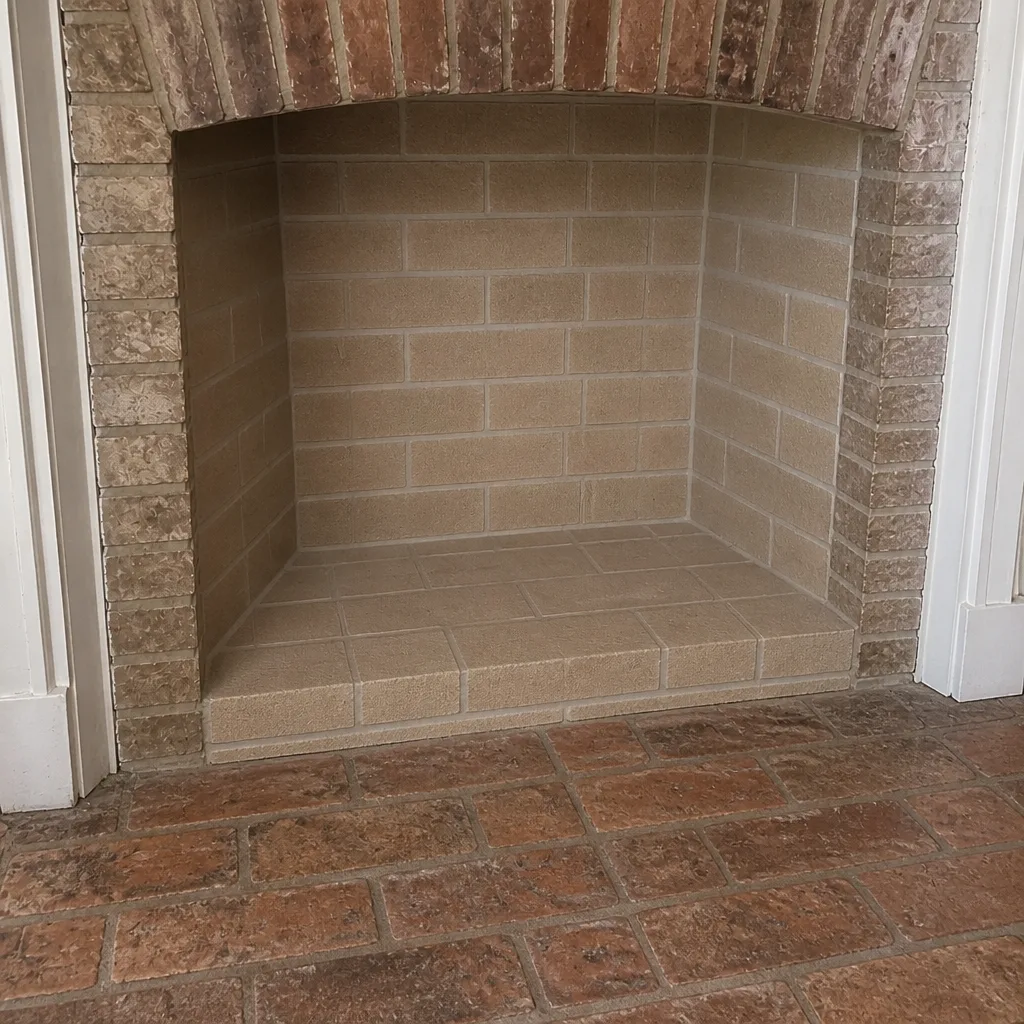
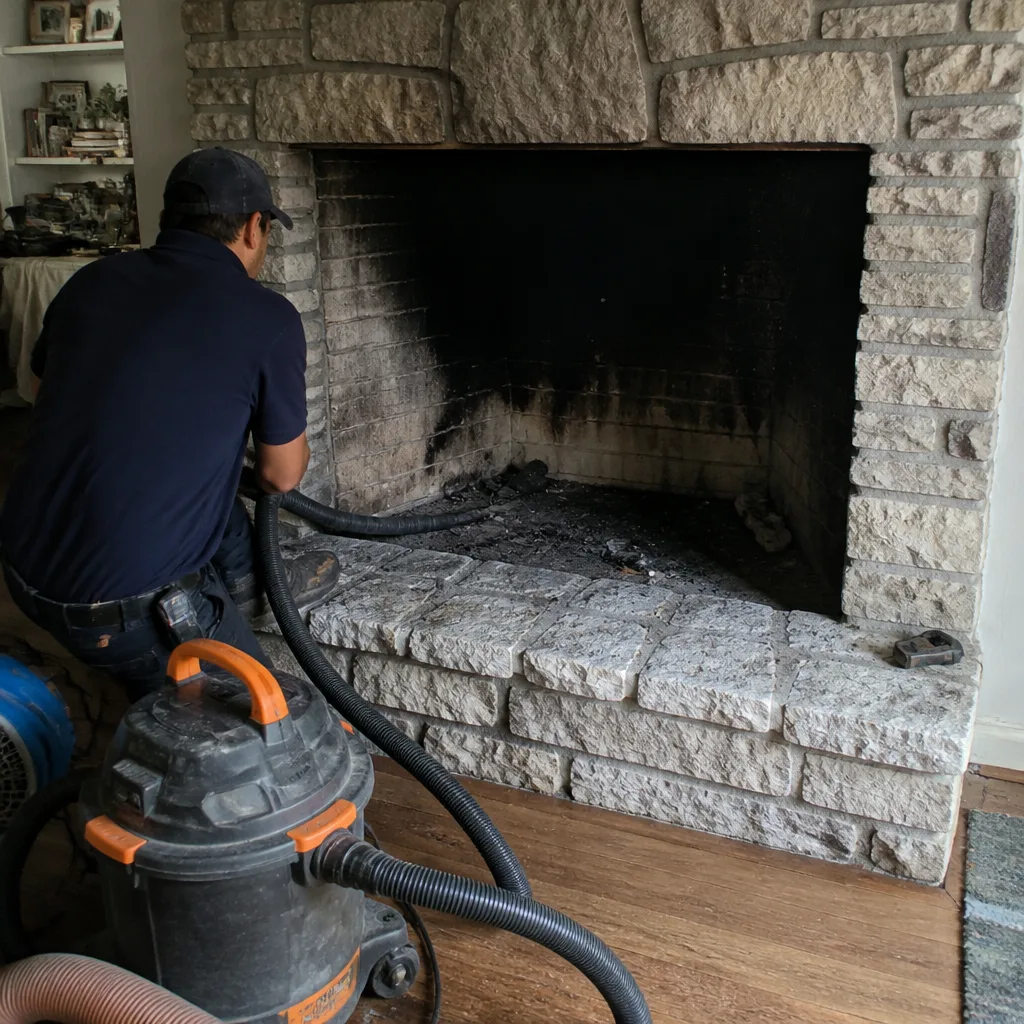
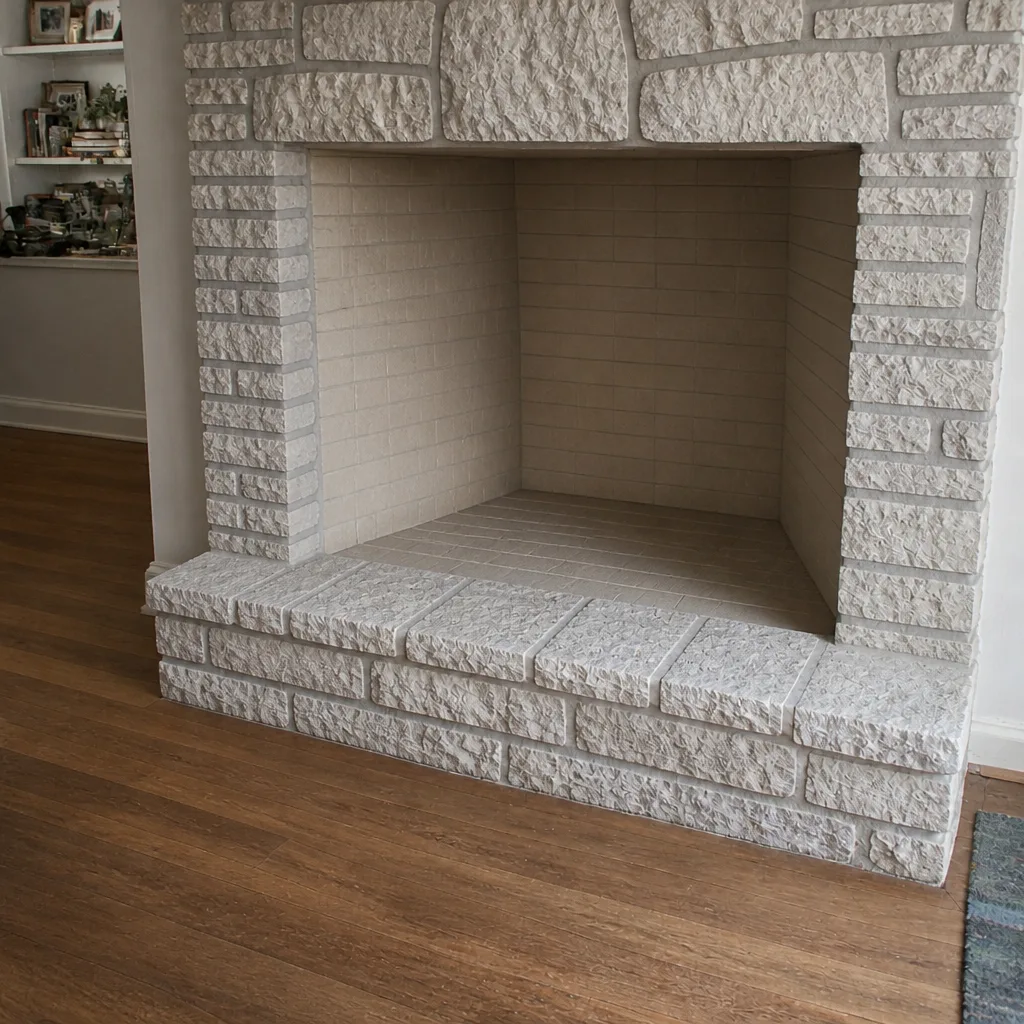
See the difference
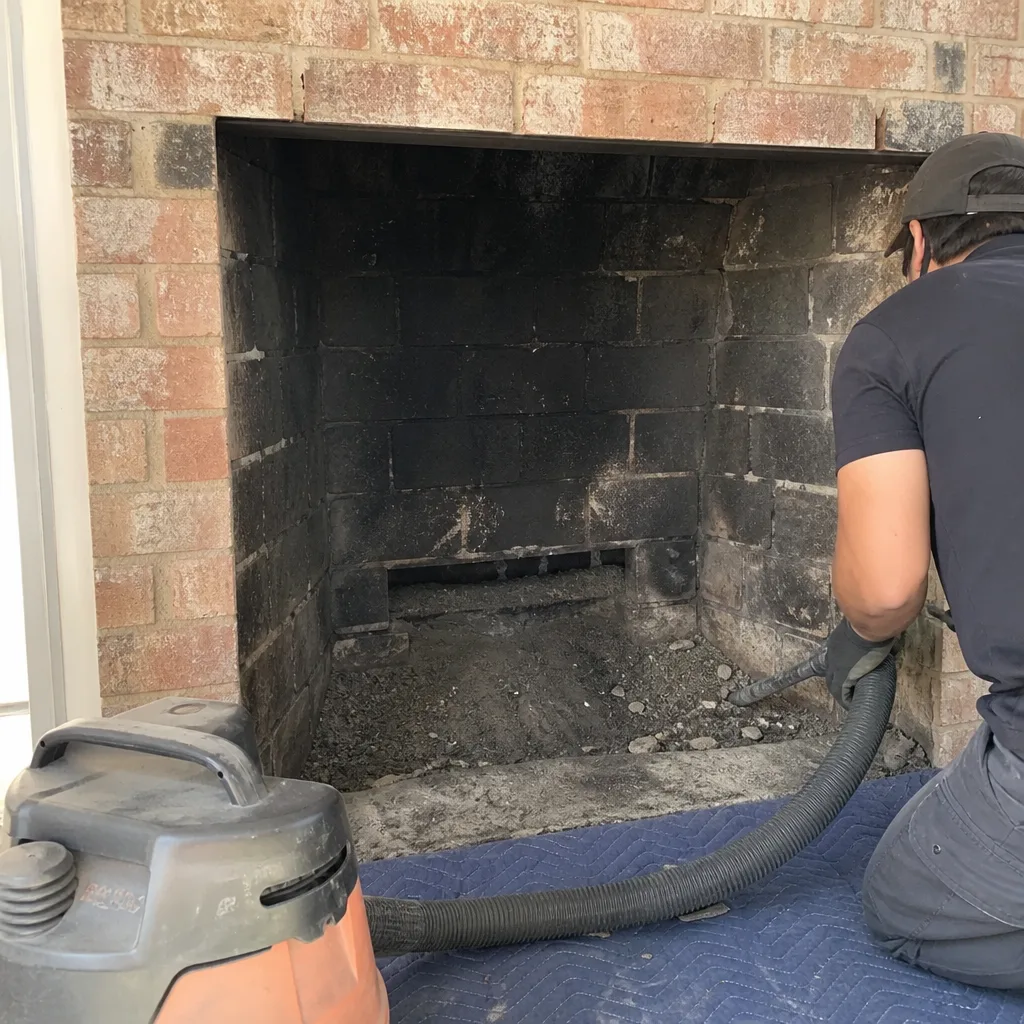 Before
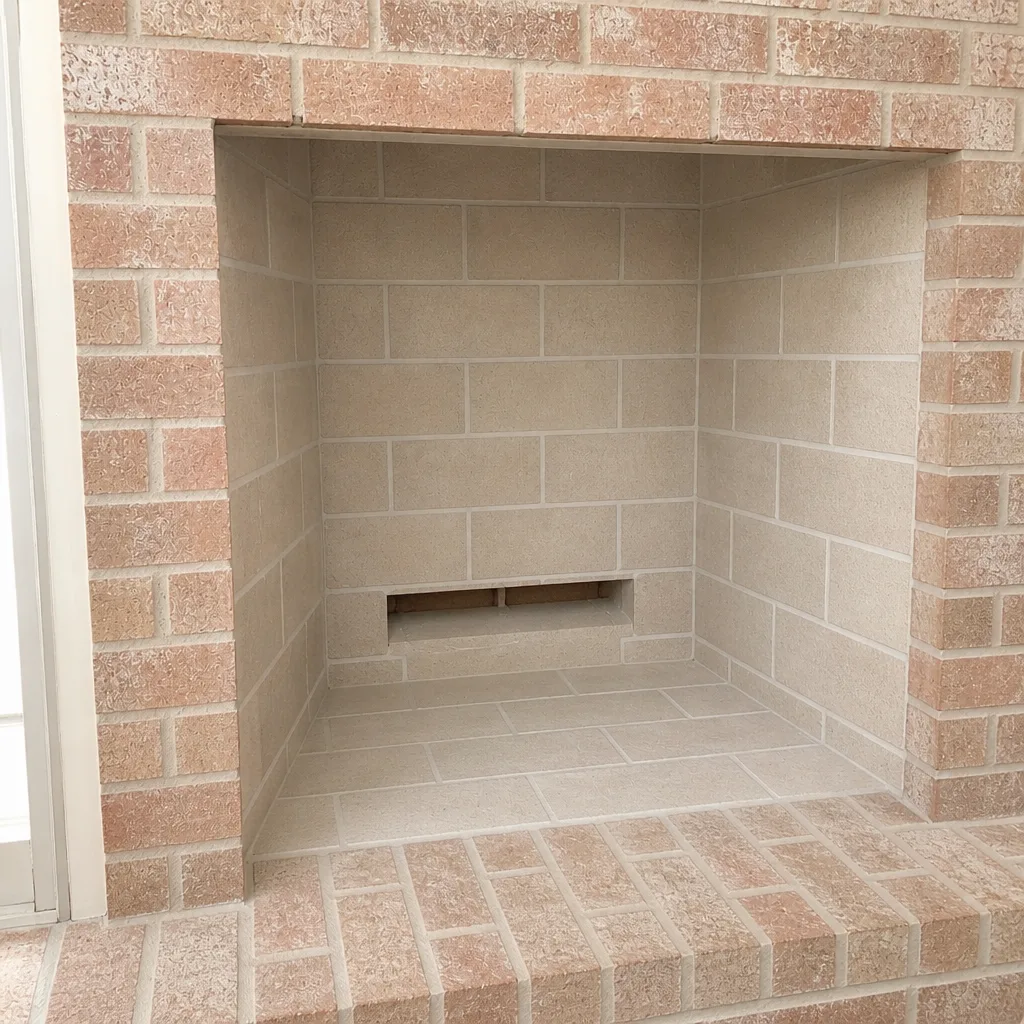 After
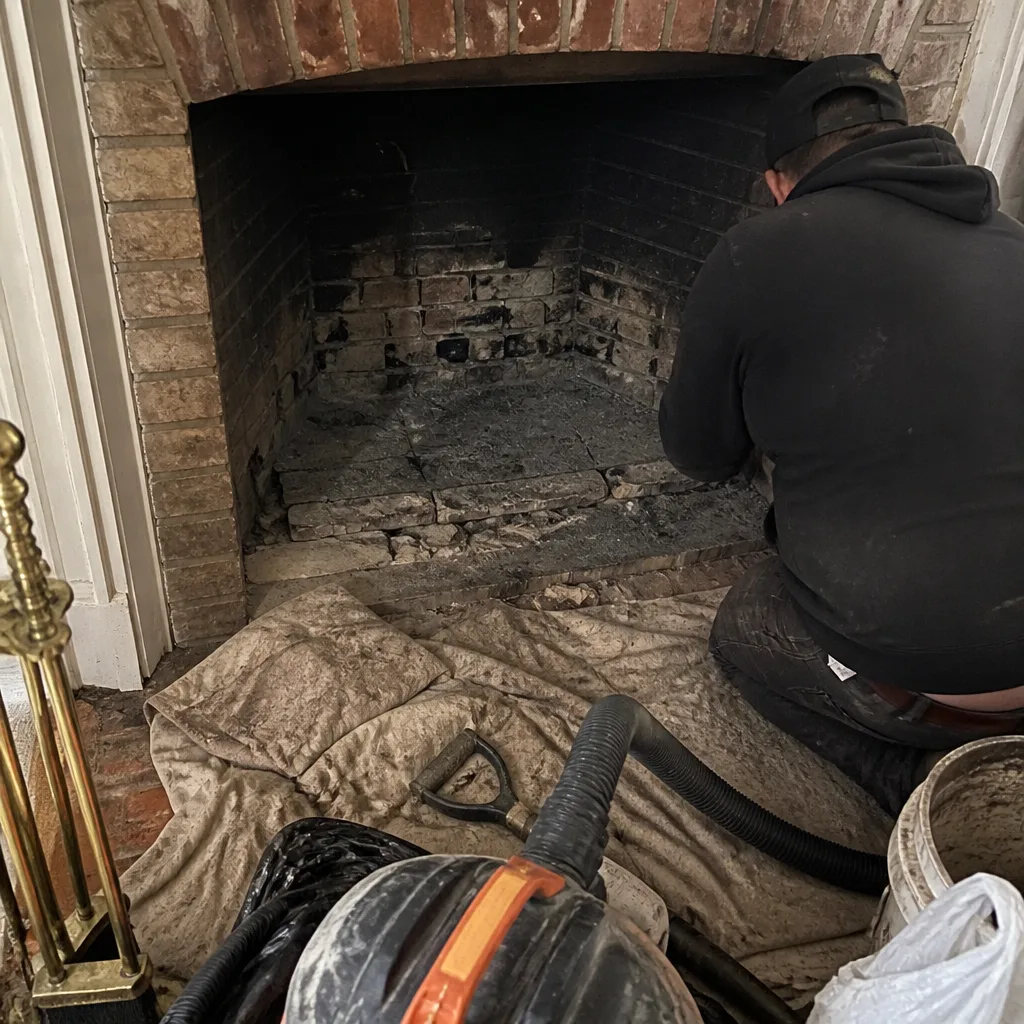 Before
 After
 Before
 After
When to Call a Professional
Some signals you can watch. Others you shouldn’t wait on. Call a professional if you see efflorescence or spalling on the exterior brick, rust staining in the firebox, a damaged crown or cap, a crack in the firebox or flue, or any sign the chimney has moved. Call right away if you smell smoke or gas indoors, if your CO detector sounds, or if you’ve had even a small chimney fire. And call if it’s just been a few years since the last inspection – a clean, safe chimney is easier to keep that way than to bring back. Remington Chimney Sweep offers free estimates in Pasadena. Call (833) 334-7488. We answer 24/7. Fast dispatch from 7am to 7pm, Sunday through Friday.
Frequently Asked Questions
The earliest signs are usually exterior: efflorescence (white powder) on the brick, spalling brick faces, loose mortar at the top of the stack, or a damaged crown or cap. Inside, look for rust staining on the firebox floor or a musty smell in summer. Call (833) 334-7488 for an exact quote – estimates are free.
Most chimneys should be inspected once a year and swept when the inspection shows enough buildup to warrant it. In this humid climate, an unused chimney also deserves an annual look – water damage doesn’t wait for fire season. Call (833) 334-7488 for an exact quote – estimates are free.
Not always. A full reline is the right answer when the flue tile is badly cracked or has failed, but HeatShield resurfacing can restore a damaged flue tile in some cases without full relining – at a lower cost. The camera inspection is what decides it. Call (833) 334-7488 for an exact quote – estimates are free.
Creosote keeps building, water intrusion keeps working, and small problems become structural ones. A dirty chimney becomes a fire and carbon monoxide concern; a wet chimney becomes a masonry problem. The safest approach is routine inspection – and sooner if you’re seeing any of the warning signs in this guide. Call (833) 334-7488 for an exact quote – estimates are free.
An unused flue draws humid air down and holds it, which promotes mildew and odor on the flue walls and damper. A cap helps, and a sweep plus inspection will identify whether the source is surface growth, water intrusion, or both. Call (833) 334-7488 for an exact quote – estimates are free.
We don’t recommend it. The check from the ground is something you can and should do. What needs a professional is the flue, the smoke chamber, and the damper – and the safety risk of rooftop access on your own is real. A camera inspection tells you exactly what’s there and what to do about it. Call (833) 334-7488 for an exact quote – estimates are free.
The Bottom Line
The warning signs are mostly quiet. Efflorescence, rust stains, a musty smell in summer, a crown that’s starting to crumble, uneven soot from an incomplete sweep – these arrive months before smoke in the room. Sort what you see into cleaning signals and repair signals. Do the ground-level check yourself. And when something on the list shows up, get a camera inspection so you know exactly what needs fixing before it turns into a bigger, more expensive problem. Your chimney, start to finish, handled by one company. Call (833) 334-7488 for a free estimate. We answer 24/7. Fast dispatch from 7am to 7pm, Sunday through Friday.
Written by the team at Remington Chimney Sweep.