
Last updated November 15, 2026
 Sweep & inspection
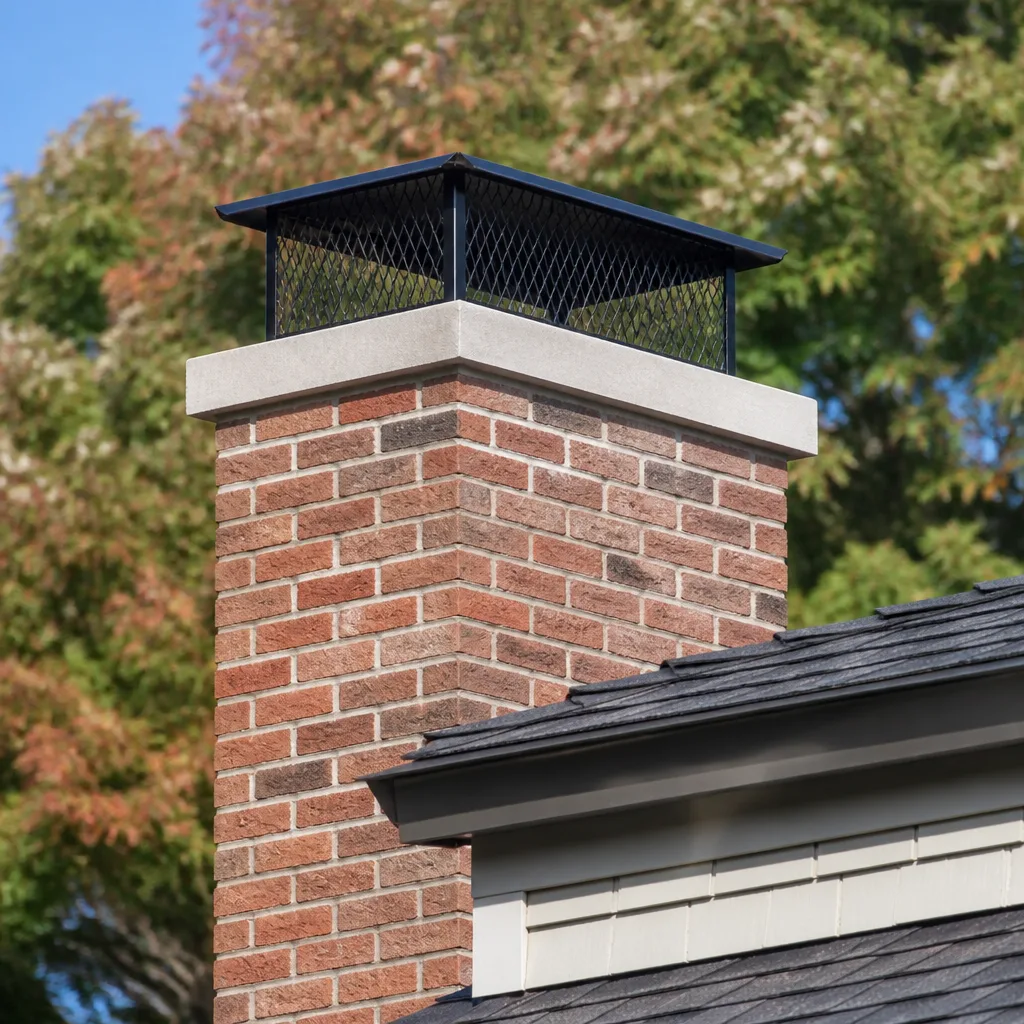 Caps & crowns
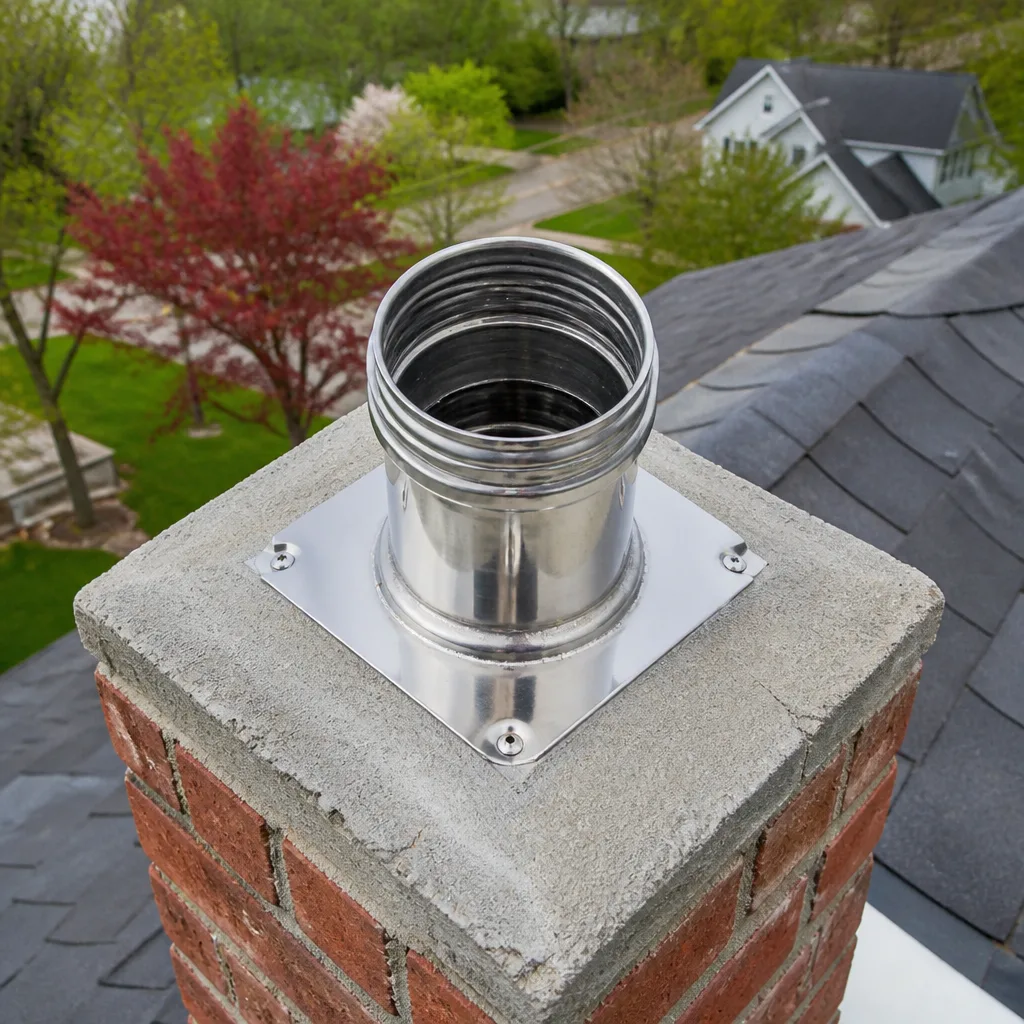 Flue relining
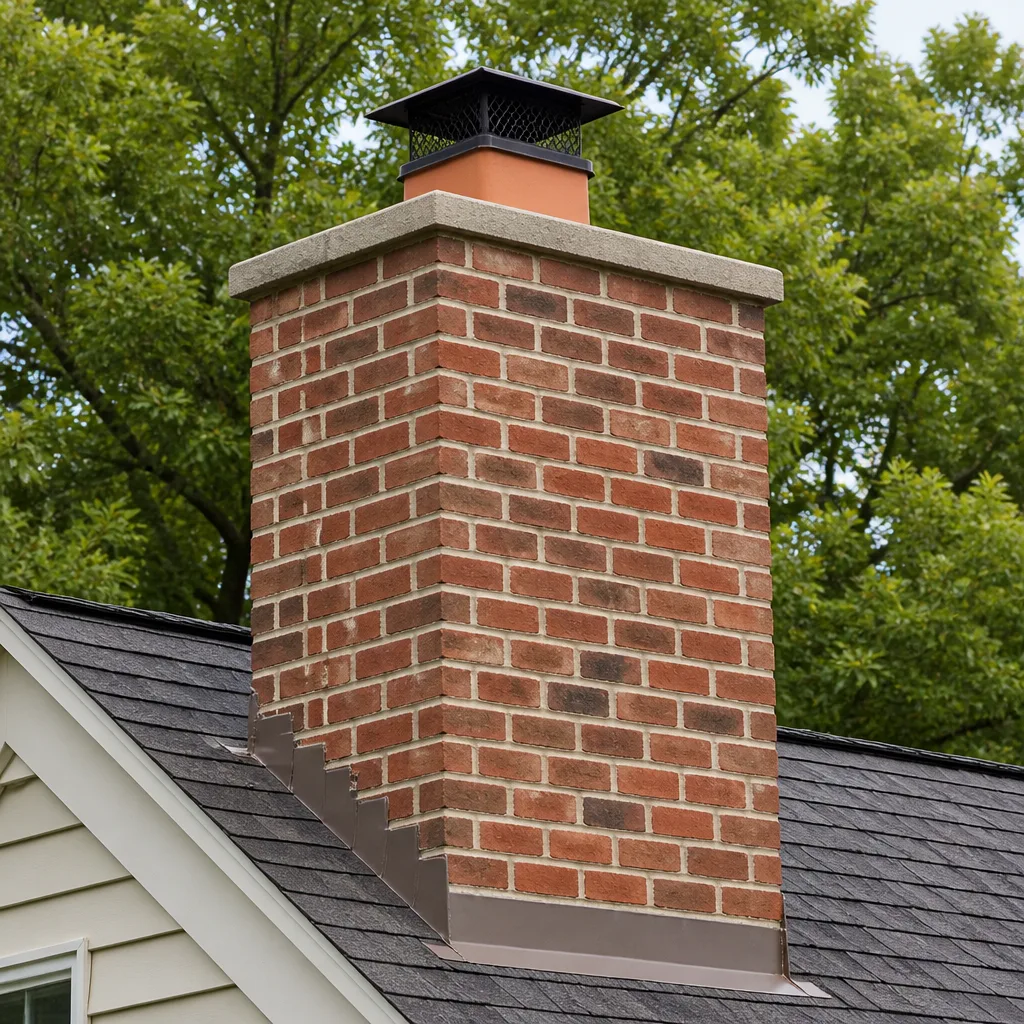 Masonry repair
 Gas fireplace service
Level 1 sweep and inspection to the NFPA 211 annual standard - flue, crown, cap, and flashing checked and photographed
Chimney sweep logs do not sweep chimneys. They loosen some creosote - which then falls where a brush and vacuum still have to collect it.
Chimney Cleaning Permits, Codes & Inspections in Pasadena, TX: What You Need to Know
A chimney liner replacement done without a permit isn’t just a code violation – it’s a gap in your homeowner’s insurance coverage if that system is ever involved in a fire or carbon monoxide event. That’s the part most Pasadena homeowners don’t hear until it matters. Routine sweeping is usually permit-free, and that’s where the confusion starts: people assume the whole chimney trade operates outside the permit system. It doesn’t. The moment a job crosses from maintenance into repair, relining, insert installation, or cap and crown replacement, Texas residential code and local enforcement rules apply, and the paperwork trail becomes part of your home’s record. This guide walks through where that line sits, what NFPA 211 inspection levels actually require, and how to verify a finished job is documented before you pay the final invoice.
Quick Answer
Routine chimney cleaning in Pasadena, TX generally does not require a permit – it’s classified as maintenance. Structural work does: liner replacement, wood-burning insert installation, firebox rebuilding, and chimney cap or crown replacement typically fall under permit territory because they alter the venting system. Every chimney should be inspected to NFPA 211 standards before and after sweeping, and you should always ask for written documentation of code compliance, even when a contractor tells you no permit is needed.
Styles & brands we work with
- Sweep & inspection
- Caps & crowns
- Flue relining
- Masonry repair
- Gas fireplace service
Table of Contents
- Where Maintenance Ends and Permit Territory Begins
- How Pasadena and Harris County Apply Building Codes to Chimney Work
- What NFPA 211 Requires and How It Interacts With Local Enforcement
- Why You Should Ask for Documentation Even When Permits Aren’t Required
- How to Verify a Completed Job Is Code-Compliant
- The Insurance Connection Most Homeowners Miss
- The Three Levels of Chimney Inspection, Explained
- What Makes Chimney Work in Pasadena Different
Where Maintenance Ends and Permit Territory Begins
The cleanest way to think about it: if the work removes soot and creosote without changing the chimney’s structure or venting path, it’s maintenance. If the work changes what the chimney is made of, how it vents, or what it’s connected to, it’s construction – and construction is where permits live. Most homeowners in Pasadena never have this distinction explained to them, which is why so many are surprised when a liner job turns into a paperwork question.
Here’s how we draw the line in practice:
- Maintenance, typically permit-free: sweeping the flue, removing creosote and soot from the firebox and smoke chamber, brushing the damper area, checking the cap and spark screen for debris, and a visual inspection during the sweep.
- Repair and replacement, typically permit territory: installing or replacing a stainless steel liner, installing a wood-burning insert and its connector, rebuilding a firebox or smoke chamber, replacing a chimney crown, and in many cases replacing a cap that changes the flue’s termination.
That middle category is broader than it looks. A liner installation, for example, changes the flue’s interior dimensions and its listed venting assembly – it’s a new component in the system, not a cleaning. An insert installation changes how the appliance connects to the flue and often requires a liner sized to the insert’s collar. Both of those are the kind of work a building department wants to see on a permit, because both affect fire safety in ways an inspector can verify.
If you’re ever unsure which side of the line a job falls on, the honest answer is to ask the city before the work starts. We’ve seen homeowners assume a crown replacement was “just maintenance” because it’s outside the house – the crown is a structural part of the chimney system and sealing it correctly matters. When the scope is genuinely ambiguous, get it in writing from the contractor and confirm with the building department. That five-minute call protects everyone.
How Pasadena and Harris County Apply Building Codes to Chimney Work
Texas doesn’t have a single statewide residential building code that municipalities must adopt, which surprises a lot of people. Local jurisdictions adopt their own codes and their own permitting thresholds. For a Pasadena homeowner, that means the rules that apply to your chimney come from the City of Pasadena’s building department, with Harris County codes relevant at the county level for unincorporated areas nearby. Neither authority publishes a chimney-specific ordinance, because chimney work falls under the general residential code provisions for fireplaces, vents, and solid-fuel appliances.
In practical terms, that produces three layers you should understand:
- City permitting. Pasadena’s building department issues permits for structural and mechanical work. Liner replacement, insert installation, and firebox rebuilding are the chimney jobs most likely to require one. The department can tell you the current threshold for your specific scope in a single phone call.
- Code adoption. The residential code adopted by the city includes provisions for solid-fuel appliance venting, clearances to combustibles, and chimney construction. When a permit is pulled, the inspection confirms the work matches those provisions.
- Manufacturer listings. Liners, inserts, and caps are tested assemblies. The installation has to follow the manufacturer’s listed instructions, not just “what fits.” This is one reason we specify professional-tier components from brands like DuraFlex and Olympia Chimney – the listed installation instructions exist, they’re documented, and an inspector can verify the install against them.
Pasadena’s housing stock spans several decades and includes a lot of older brick chimneys alongside newer construction. Older chimneys are more likely to have unlined or clay-tile flues that no longer meet current venting requirements, which is exactly the situation where a permit and inspection add real value: they confirm the new liner is properly sized, properly connected, and properly clearanced. For a deeper look at how that repair work is scoped, our chimney repair page covers the common failure points we see on Pasadena homes.
What NFPA 211 Requires and How It Interacts With Local Enforcement
NFPA 211 is the national standard for chimneys, fireplaces, vents, and solid-fuel-burning appliances. It’s not a law – it’s a consensus standard – but it’s the reference document that building codes, insurance underwriters, and manufacturers all lean on. When a Pasadena building inspector looks at a liner installation, NFPA 211 is usually the technical floor they’re measuring against, even if the local code cites it indirectly.
The parts of NFPA 211 that matter most to homeowners:
- Inspection levels. The standard defines three levels of inspection (covered in detail further down) and specifies when each is appropriate. A Level 2 inspection is required whenever a change is made to the system – a new appliance, a reline, a change in fuel type – which means your liner job should be bracketed by inspections, not just followed by one.
- Clearances. NFPA 211 sets the required clearance between the chimney and combustible materials. This is the standard behind the “2-inch clearance” and “1-inch clearance” figures you’ll hear from technicians. Clearance problems are invisible to the homeowner and are a common finding when a chimney is opened up for repair.
- Flue sizing. The standard addresses proper flue sizing relative to the appliance. An oversized flue on a modern insert is a real performance and safety problem, not a nitpick.
- Chimney condition. Cracked flue tiles, deteriorated mortar joints, and missing crown sections all fall under the standard’s requirements for a sound chimney. These are findings a Level 2 inspection documents.
Here’s how this interacts with local enforcement: the city enforces its adopted code, and the adopted code references standards like NFPA 211 for technical detail. So a permit inspection is partly a compliance check and partly a standards check. When work is done without a permit, neither check happens. The homeowner is left holding a completed job with no third-party verification that it meets the standard the code requires. Our chimney sweep service includes inspection as part of the visit, which is how most Pasadena homeowners first learn their flue has a condition worth documenting.
Why You Should Ask for Documentation Even When Permits Aren’t Required
Not every chimney job needs a permit. That’s true, and it’s also the sentence that gets misused. A contractor who says “no permit needed” may be correct – or may be avoiding the permit because pulling one adds time and inspection exposure. The homeowner can’t tell the difference from the sidewalk. Documentation is how you close that gap.
What to ask for, regardless of whether a permit was pulled:
- A written scope of work describing what’s being done, what materials are being used (brand and product line, not just “stainless liner”), and what’s not included.
- The inspection report from before and after the work, with photos. A camera inspection with a photo record is standard practice for any repair-grade job, and it’s the single most useful document you’ll have if a question comes up later.
- Manufacturer documentation for the installed components. Liners and caps from brands like DuraFlex, Gelco, or Famco come with listed installation instructions; a professional leaves the paperwork with the homeowner.
- A statement of code compliance – a signed line on the invoice or a separate letter confirming the work was performed to the applicable code and standard. If a permit was required, the inspection card or final inspection record is the gold standard.
We put this in writing on every job because it protects the homeowner, not the contractor. If a future buyer’s inspector asks about the liner, you have a document. If your insurer asks, you have a document. If a warranty question comes up, you have a document. The absence of that paperwork is the actual risk – not the work itself, most of the time. We’ll tell you what your chimney needs and what it doesn’t, and we’ll show you the evidence before we recommend anything.
How to Verify a Completed Job Is Code-Compliant
Verification is a process, not a phone call. Whether a permit was pulled or not, you can confirm a completed chimney job meets code by walking through a short checklist before you close the project out and make the final payment.
- Request the final inspection record. If a permit was issued, the building department’s final inspection sign-off is the definitive document. Ask for a copy, and confirm it’s a final, not a partial.
- Get the post-work inspection report. A Level 2 inspection after liner or insert work should document the new component, its connection, and the clearances. Compare it to the pre-work report – the difference is your record of what changed.
- Match the installed components to the invoice. The brand and product line on the invoice should match what’s actually installed. Look at the cap and the liner collar if you can see them; the manufacturer’s stamp should be visible.
- Confirm clearances were addressed. If the pre-work inspection flagged a clearance problem, the final report should say how it was corrected. “It’s fine now” is not documentation.
- Ask for the compliance statement in writing. A one-paragraph letter or a signed invoice line confirming the work meets the applicable code and NFPA 211 is a reasonable request. A professional won’t hesitate.
- File everything together. Permit records, inspection reports, photos, invoices, and manufacturer documentation in one folder. This is the packet a future buyer or insurer will want.
If any step in that list gets pushback, that’s a signal worth paying attention to. The work may still be fine – but the documentation gap is real, and it’s yours to carry. For Pasadena homeowners, the Pasadena service area page is the place to start if you need a first inspection before deciding anything.
The Insurance Connection Most Homeowners Miss
Homeowner’s insurance policies generally expect the home’s systems to be maintained and to meet applicable code. When a fire or carbon monoxide event involves a chimney component that was installed without a permit or without documentation, the insurer’s investigation can raise questions about whether the work was done to code. That’s not a guarantee of a denied claim – policies vary, and every claim is handled on its facts – but it’s a real risk that most homeowners never consider when they hire the cheapest liner job.
The practical takeaway is simple: unpermitted, undocumented work is a question mark on your property record. Permitted, documented work is not. The cost difference between the two, on a typical liner job, is small compared to the cost of an insurance dispute. We can work with your insurer if a claim or documentation question comes up, and we keep the records that make those conversations short.
The Three Levels of Chimney Inspection, Explained
NFPA 211 defines three inspection levels, and the level matters because it determines what the inspector can actually see and document. Most homeowners have only ever had a Level 1, which is why a Level 2 finding sometimes feels like it came out of nowhere.
- Level 1: A visual inspection of readily accessible portions of the chimney, firebox, and connector, usually during a routine sweep. Appropriate when the appliance and fuel haven’t changed and there’s no known problem. This is the standard annual inspection.
- Level 2: Everything in Level 1 plus inspection of accessible attic, crawl space, and other concealed areas, often with a camera. Required when the system has changed – new appliance, reline, fuel change – or when a Level 1 finds a condition that needs closer look, or when a property changes hands. This is the inspection a liner job requires.
- Level 3: Everything in Level 2 plus investigation of concealed areas that require opening construction. Rare, and usually reserved for a known hazard that can’t be assessed otherwise.
How this interacts with code enforcement: when a permit inspection happens, the inspector is verifying the installation against the code. A Level 2 inspection is what documents the system’s condition before and after, which is the record that supports the permit. Both matter, and they’re not the same thing. When a contractor tells you a permit isn’t required for a liner job, a fair follow-up question is: “Will you provide a Level 2 inspection report before and after?” If the answer is no, the documentation gap is the real issue.
What Makes Chimney Work in Pasadena Different
Pasadena’s climate is mild, and that changes the chimney picture in ways that matter for permits and inspections. Winters here don’t drive the long, hard heating seasons you see further north, so a lot of Pasadena chimneys sit idle for months and then get used heavily during the cooler stretches. That pattern produces a specific kind of wear: creosote that builds up in concentrated layers during active use, and then sits and hardens during the off months. By the time a homeowner books a sweep, the deposit can be stubborn enough that a routine brush isn’t the whole job.
Three local realities shape the code and inspection conversation here:
- Older housing stock with clay-tile flues. Many Pasadena homes have original clay-tile liners, and those tiles crack over time. A cracked tile is a code-relevant condition – it’s exactly the kind of finding that turns a sweep into a reline discussion, and exactly the kind of work that needs a permit and documentation.
- Humidity and exterior wear. The Gulf Coast humidity works on the exterior chimney system – crowns, caps, and flashing – more than on the flue interior. A deteriorated crown lets water into the chimney structure, which is a repair, not a cleaning. Gelco and Famco cap and crown components are what we specify for that work, because the parts are listed and the installation is documentable.
- Wood-burning inserts in older fireplaces. Insert installations are common in Pasadena, and every one of them is a system change that requires a Level 2 inspection and, in most cases, a permit. An insert installed without a properly sized liner is a venting problem the homeowner can’t see.
If you’re not sure where your chimney sits on this spectrum, start with a sweep and inspection. That’s the cheapest way to find out what you’re actually dealing with, and it’s the visit that produces the documentation everything else builds on. When a job does cross into permit territory, we walk through the scope, the permit question, and the inspection record before any work starts – your chimney, start to finish, with one company handling the sweep, the repair, and the inspection.
Common Mistakes to Avoid
- Assuming “no permit needed” applies to every job. It’s true for sweeping and false for most relining and insert work. The phrase gets repeated as a blanket statement when it’s actually scope-specific, and the homeowner is the one who carries the documentation gap.
- Skipping the pre-work inspection. A liner job without a documented pre-work Level 2 inspection has no baseline. If a question comes up later, there’s nothing to compare against. Insist on before-and-after reports with photos.
- Accepting “stainless liner” as a description. The brand and product line matter, because the listed installation instructions are what the code compliance is measured against. Ask for the specific product, and check that it’s on the invoice.
- Paying the final invoice without the paperwork. Once the check clears, the leverage is gone. Hold final payment until you have the inspection reports, the manufacturer documentation, and the written compliance statement.
- Treating a crown or cap replacement as cosmetic. Both are part of the chimney system and both affect how water and venting behave. A cap that’s the wrong size or a crown that isn’t sealed properly creates a repair that costs more than doing it right the first time.
- Assuming a Level 1 inspection covers a system change. A new insert or a reline requires a Level 2, because concealed areas need to be seen. A Level 1 on a system change is an incomplete record.
- Ignoring the insurance angle until a claim happens. Documentation is cheap to get at the time of the job and expensive to reconstruct afterward. Keep the packet together from day one.
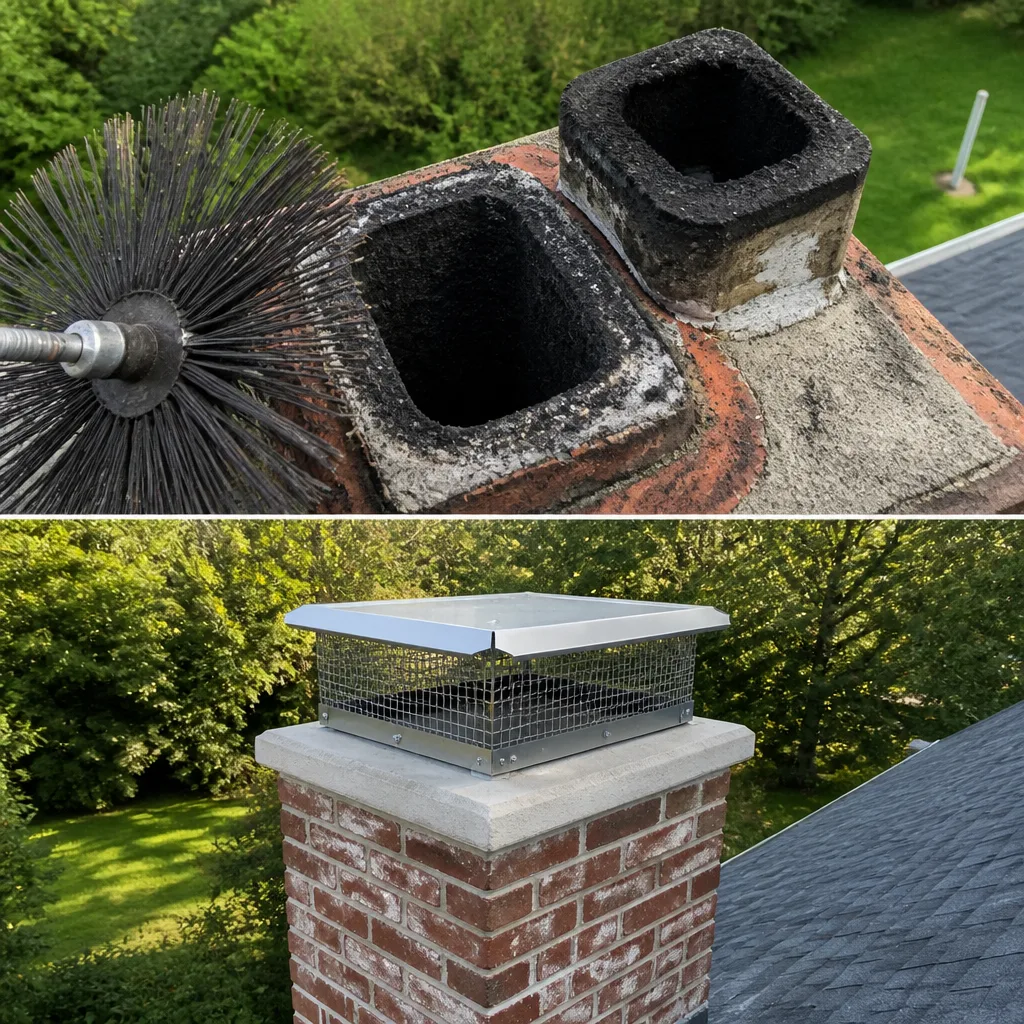
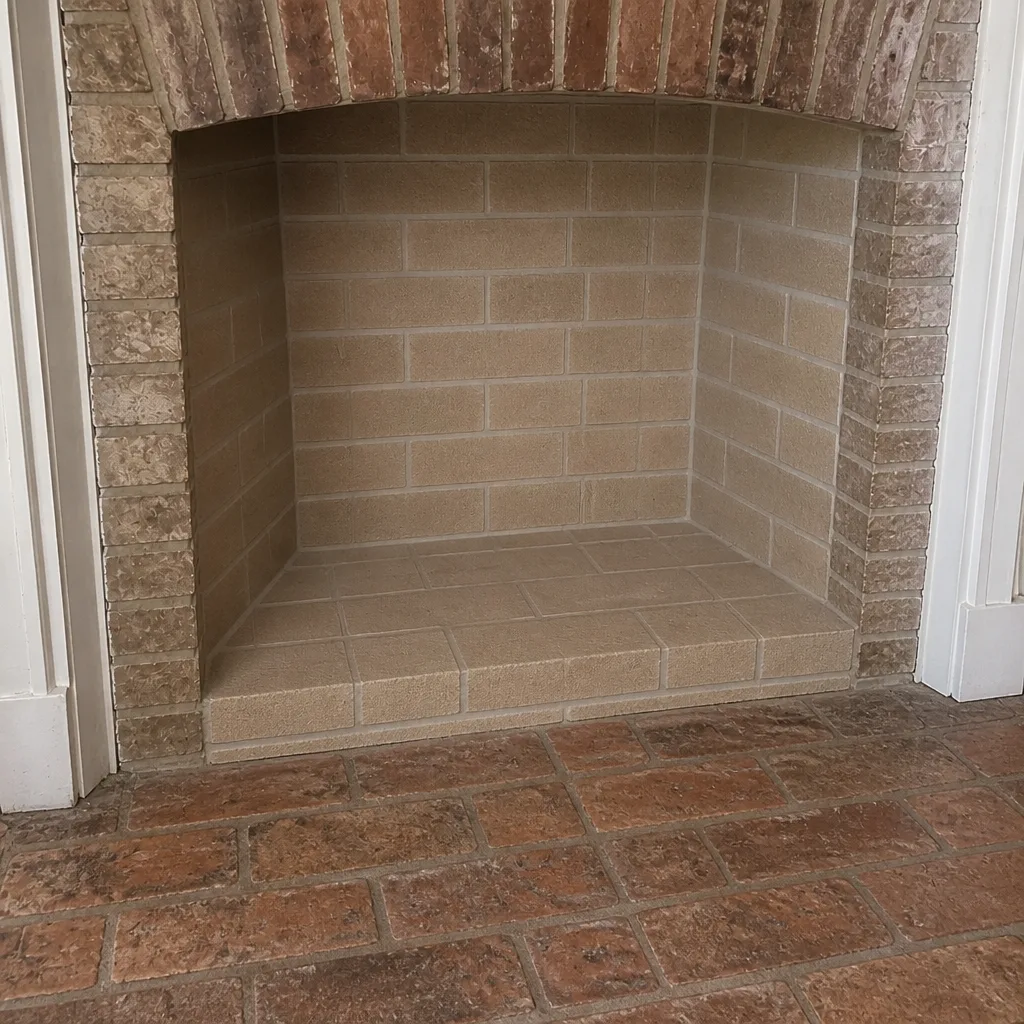
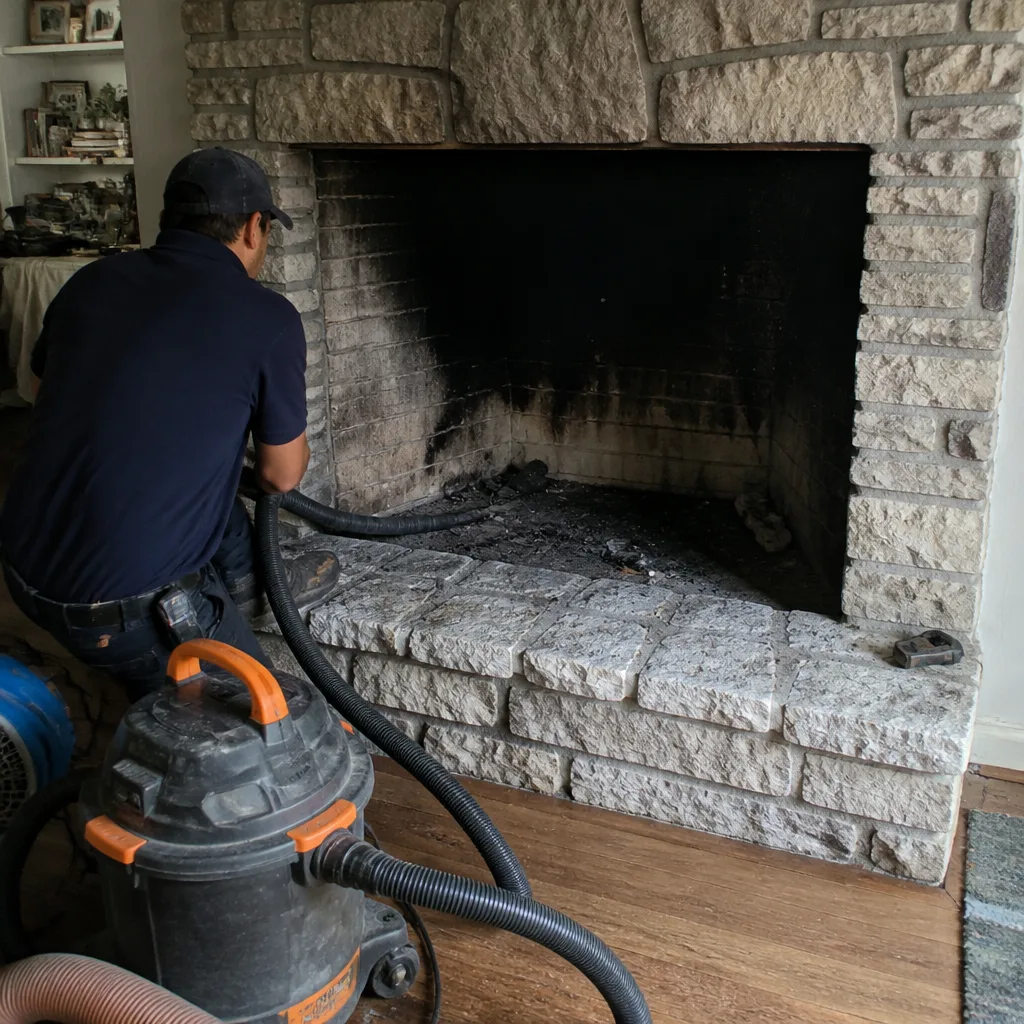
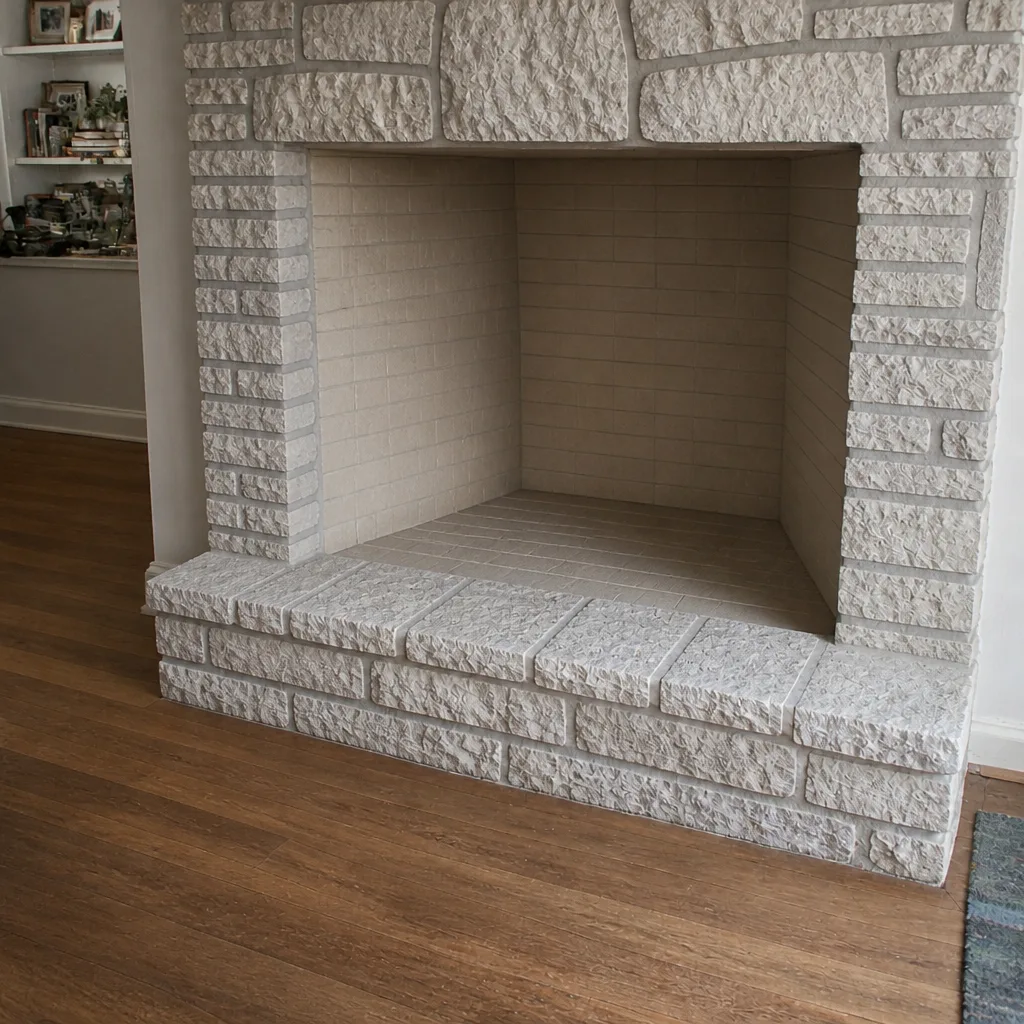
See the difference
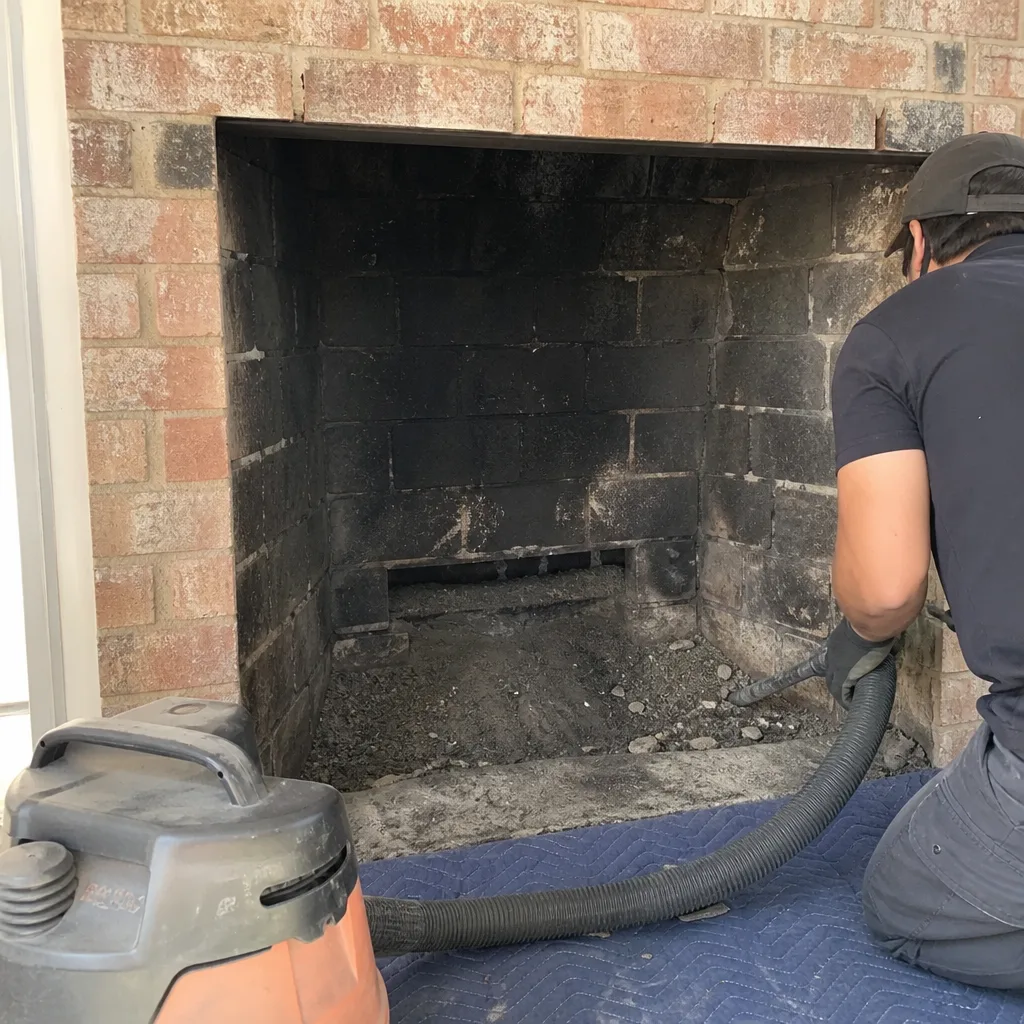 Before
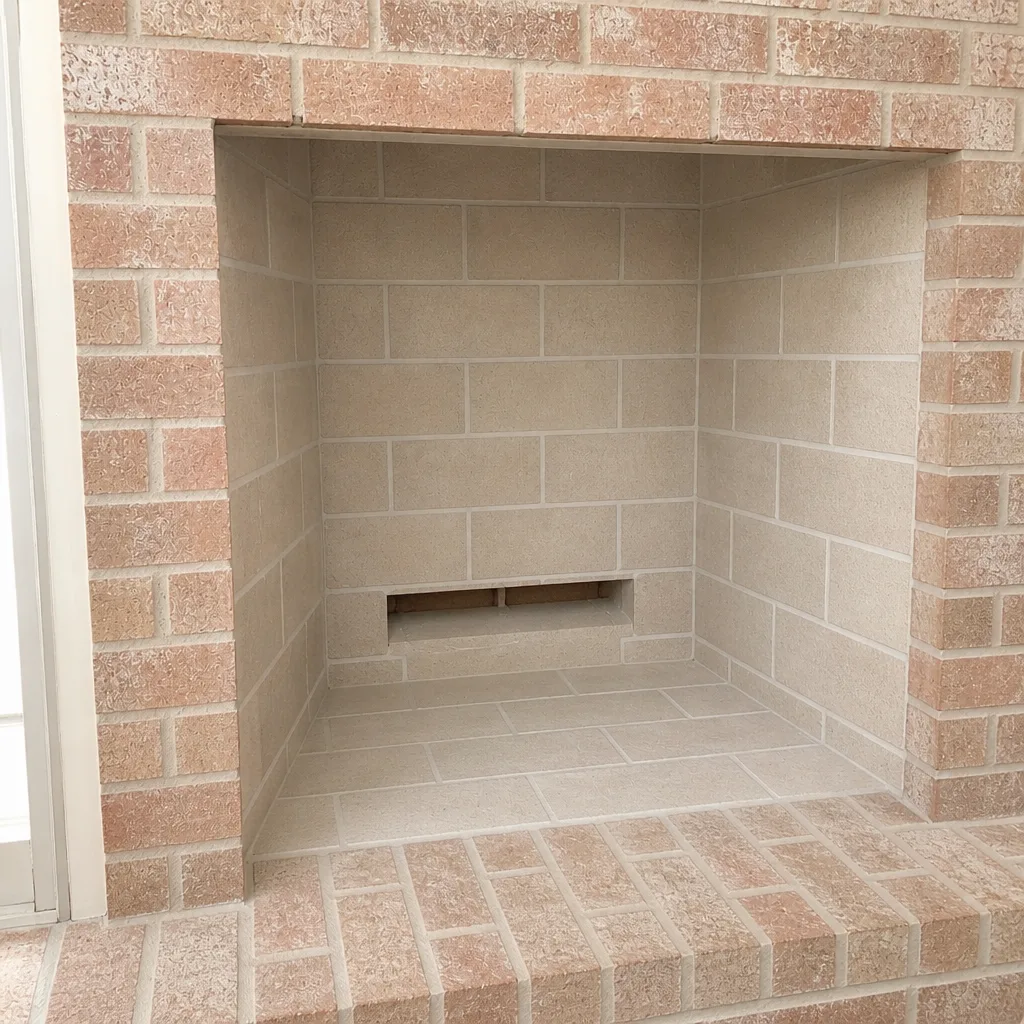 After
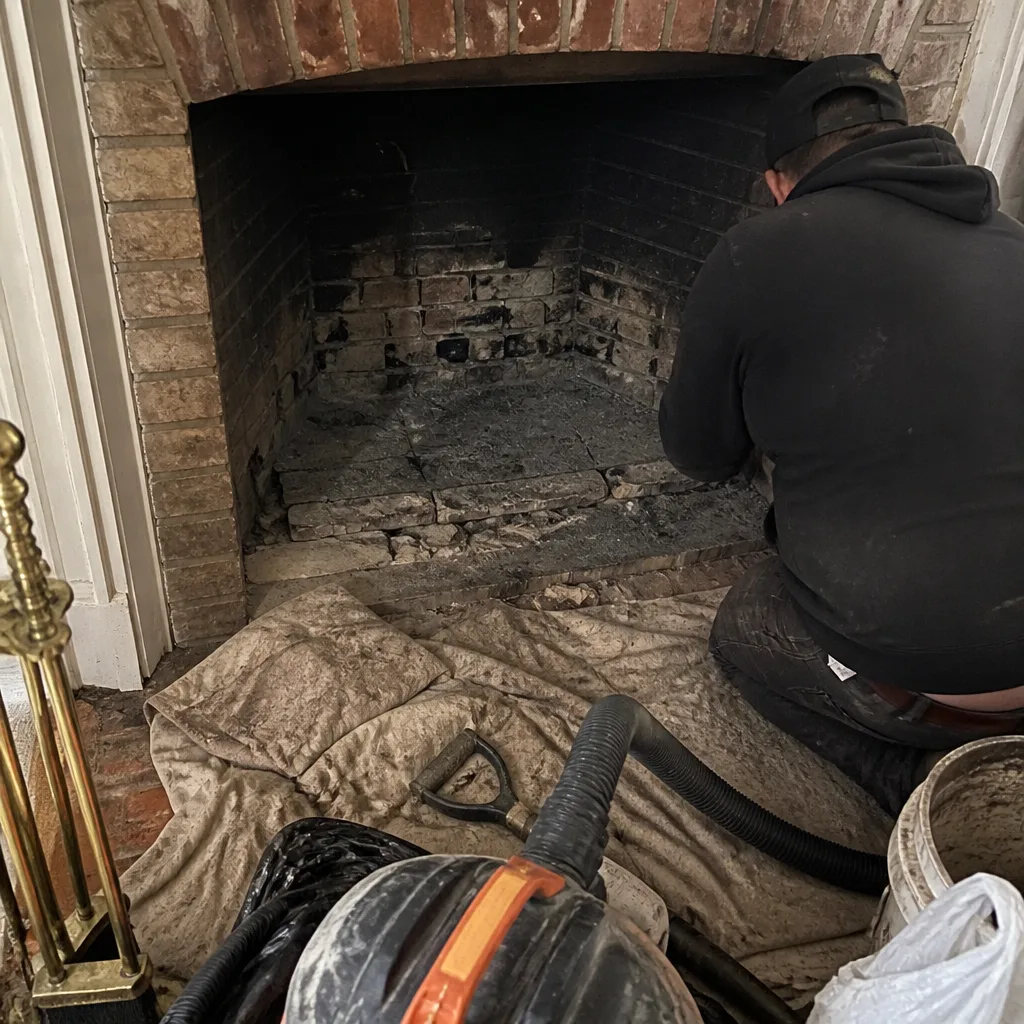 Before
 After
 Before
 After
When to Call a Professional
Call a professional chimney company when any of the following is true: you’re buying or selling a Pasadena home and need a Level 2 inspection, your chimney hasn’t been swept in a season of active use, you’re planning a liner replacement or insert installation and need the permit and documentation question answered before work starts, you’ve noticed staining on the chimney exterior or a crown that’s cracking, or a previous contractor’s work has no paperwork trail. Those are all situations where a trained eye and a documented inspection change the outcome.
For the dangerous parts of this trade – a damaged liner, a firebox with cracked masonry, a flue with clearance problems – we don’t give step-by-step instructions, because the work involves fire safety and carbon monoxide risk and belongs with a trained technician. What we do is inspect, document, and explain. Our technicians have up to 14 years of experience, and they’ll tell you what your chimney needs and what it doesn’t. Remington Chimney Sweep offers free estimates in Pasadena – call (833) 334-7488. We answer 24/7. Fast dispatch from 7am to 7pm, Sunday through Friday.
Frequently Asked Questions
No. Routine chimney cleaning is maintenance and generally doesn’t require a permit in Pasadena. The permit question applies to structural work: liner replacement, insert installation, firebox rebuilding, and cap or crown replacement. Call (833) 334-7488 for an exact quote on your scope – estimates are free.
In most cases, yes. A liner replacement changes the venting system, which puts it in permit territory under Texas residential code as applied by the City of Pasadena. The building department can confirm the threshold for your specific job in a single call, and we recommend confirming before work starts. Call (833) 334-7488 to talk through your liner project – estimates are free.
A Level 1 is a visual inspection of readily accessible portions during a routine sweep; a Level 2 adds inspection of concealed areas, often with a camera, and is required whenever the system changes. A liner replacement or insert installation needs a Level 2 before and after. Call (833) 334-7488 to book an inspection – estimates are free.
Most Pasadena homeowners should book a sweep once a year during active use, or sooner if creosote buildup is heavy or the chimney hasn’t been serviced in a while. The annual sweep doubles as the inspection that catches problems before they become repairs. Call (833) 334-7488 to schedule – estimates are free.
Creosote accumulates in the flue and becomes harder to remove the longer it sits, and heavy deposits are a chimney fire risk. Skipping the sweep also means skipping the inspection that would catch a cracked flue tile or a clearance problem early, when the repair is smaller. Call (833) 334-7488 to book a sweep and inspection – estimates are free.
Ask for the final inspection record if a permit was pulled, plus the post-work inspection report, the manufacturer documentation for the installed components, and a written compliance statement on the invoice. If any of those are missing, the documentation gap is real. Call (833) 334-7488 to talk through what your project should include – estimates are free.
The Bottom Line
Routine chimney cleaning in Pasadena is permit-free, and that’s the easy part. The part that matters is the line between maintenance and construction: liner replacement, insert installation, firebox work, and cap or crown replacement typically require a permit and always deserve documentation. NFPA 211 sets the inspection levels and clearance requirements that local code leans on, and a Level 2 inspection is what turns a completed job into a documented one. Ask for the paperwork, keep it together, and treat the insurance record as part of the job. Our team handles sweep, repair, and inspection under one company, and we specify the same professional-grade materials other certified chimney professionals use. If you’re unsure where your chimney sits, start with an inspection.
For a free estimate on sweeping, repair, or inspection in Pasadena, call (833) 334-7488. We answer 24/7. Fast dispatch from 7am to 7pm, Sunday through Friday. Remington Chimney Sweep handles your chimney start to finish, and we’ll tell you what it needs and what it doesn’t.
Written by the team at Remington Chimney Sweep.