
Last updated November 15, 2026
 Sweep & inspection
 Caps & crowns
 Flue relining
 Masonry repair
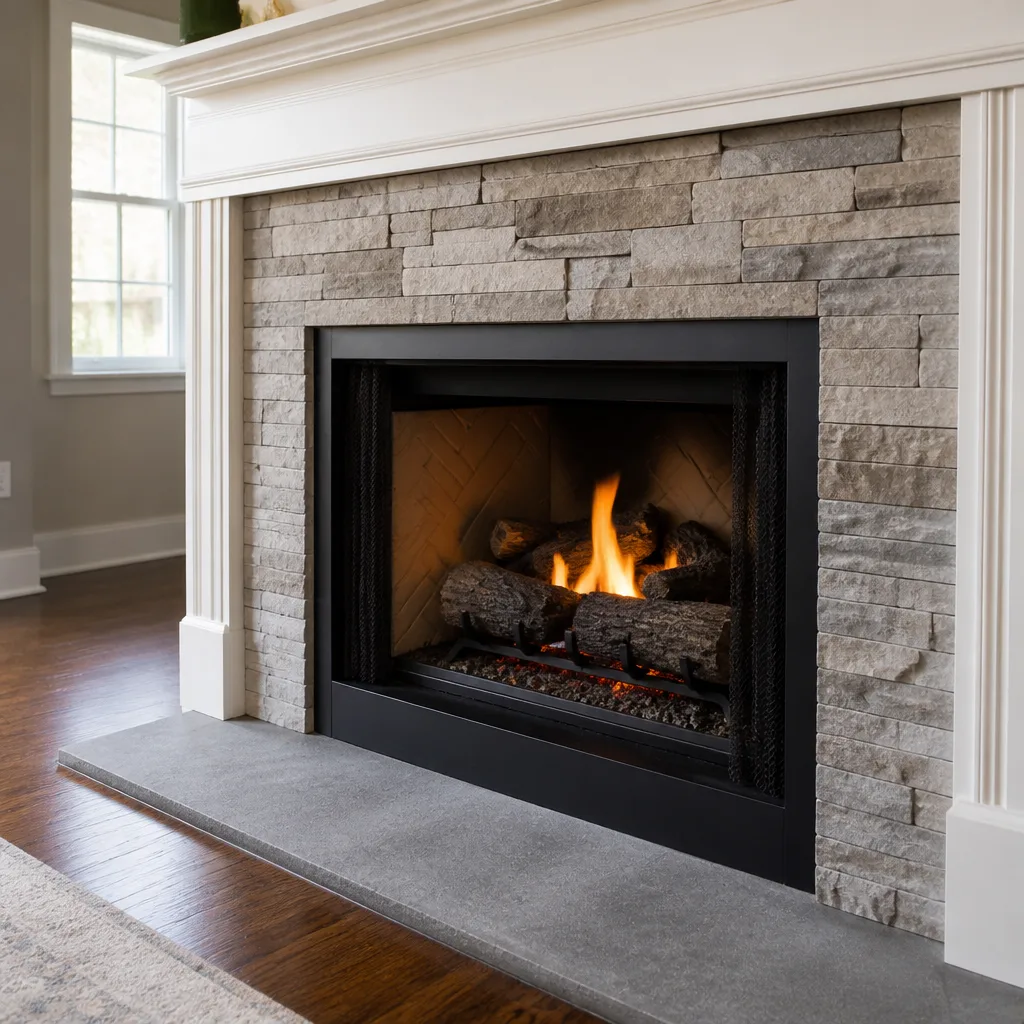 Gas fireplace service
Level 1 sweep and inspection to the NFPA 211 annual standard - flue, crown, cap, and flashing checked and photographed
Chimney sweep logs do not sweep chimneys. They loosen some creosote - which then falls where a brush and vacuum still have to collect it.
How to Hire a Chimney Cleaning Contractor in Pasadena: A Step-by-Step Guide
In Texas, there’s no state license required to call yourself a chimney sweep. That single fact should change how you shop for one. Anybody with a brush, a ladder, and a magnetic sign can knock on your door in Pasadena and offer to clean your flue, and nothing on a state registry will tell you whether they’re qualified or just ambitious. The burden of qualifying who climbs onto your roof and reaches inside your fire system falls entirely on you. This guide gives you a concrete vetting process: the credentials that actually mean something, the insurance questions worth asking, the red flags buried in a low quote, and the questions that separate a full-service chimney company from a brush-only operator. By the end, you’ll know exactly what to ask before you book.
Quick Answer
To hire a chimney cleaning contractor in Pasadena, verify CSIA or NFI certification, confirm active liability insurance and workers’ comp, insist on a written scope of work and a post-service report, and ask directly whether the company can perform repairs in-house. Companies that can only clean have no stake in telling you the truth about problems they find. The best vetting question is simple: what happens if you find damage?
Styles & brands we work with
- Sweep & inspection
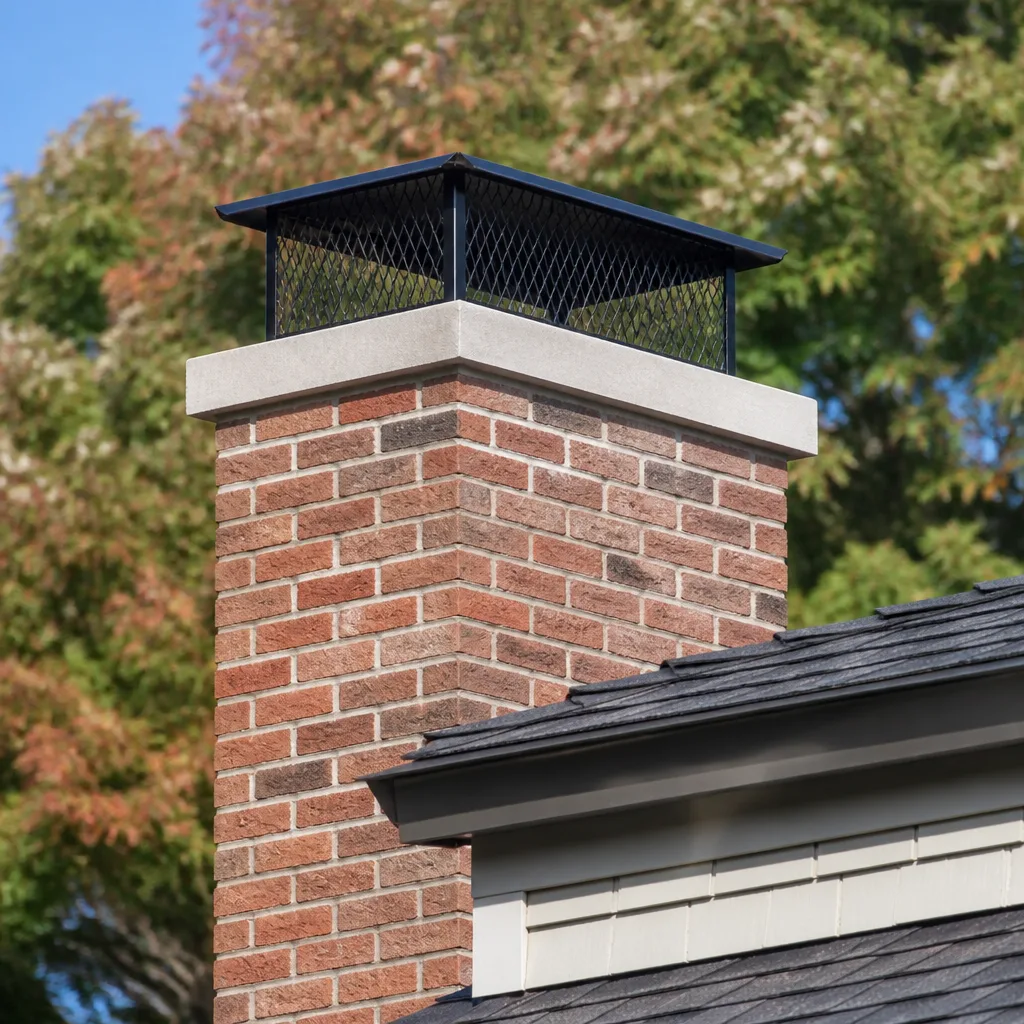
- Caps & crowns
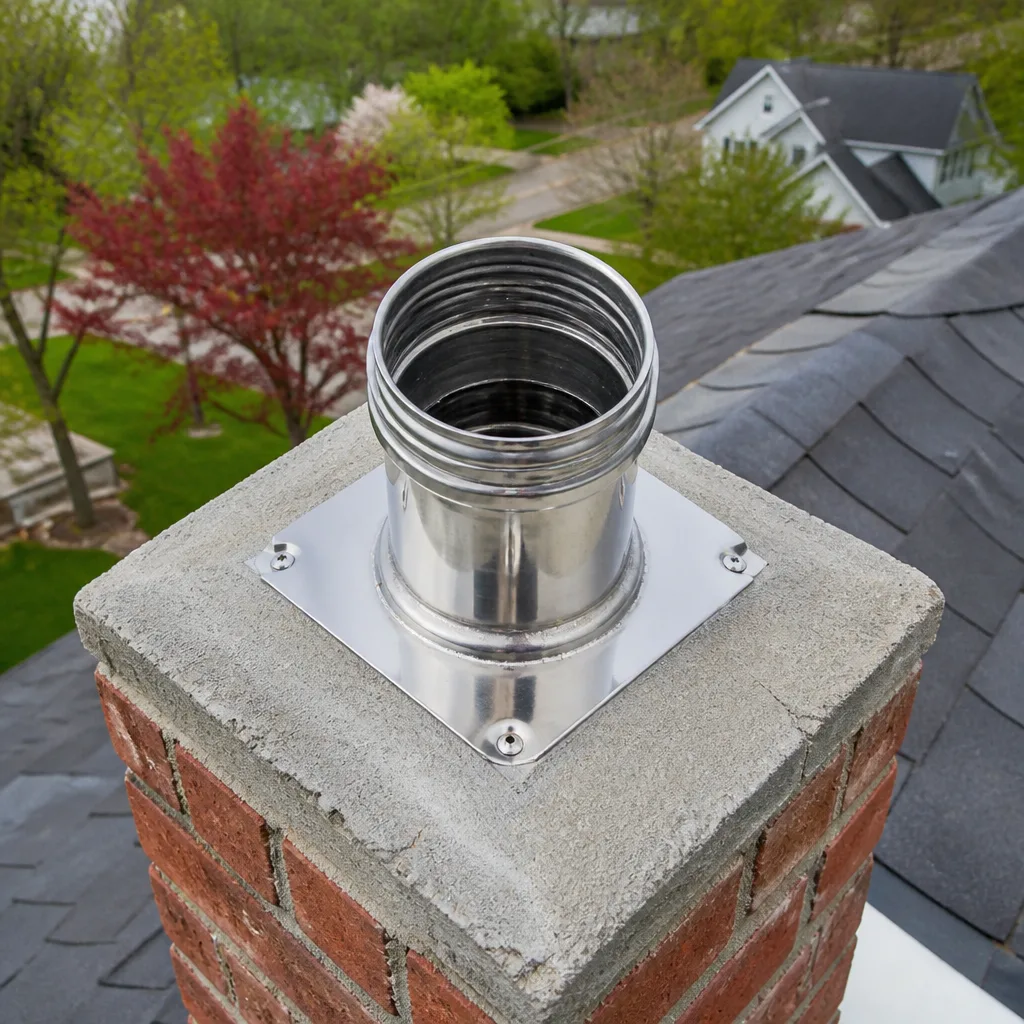
- Flue relining
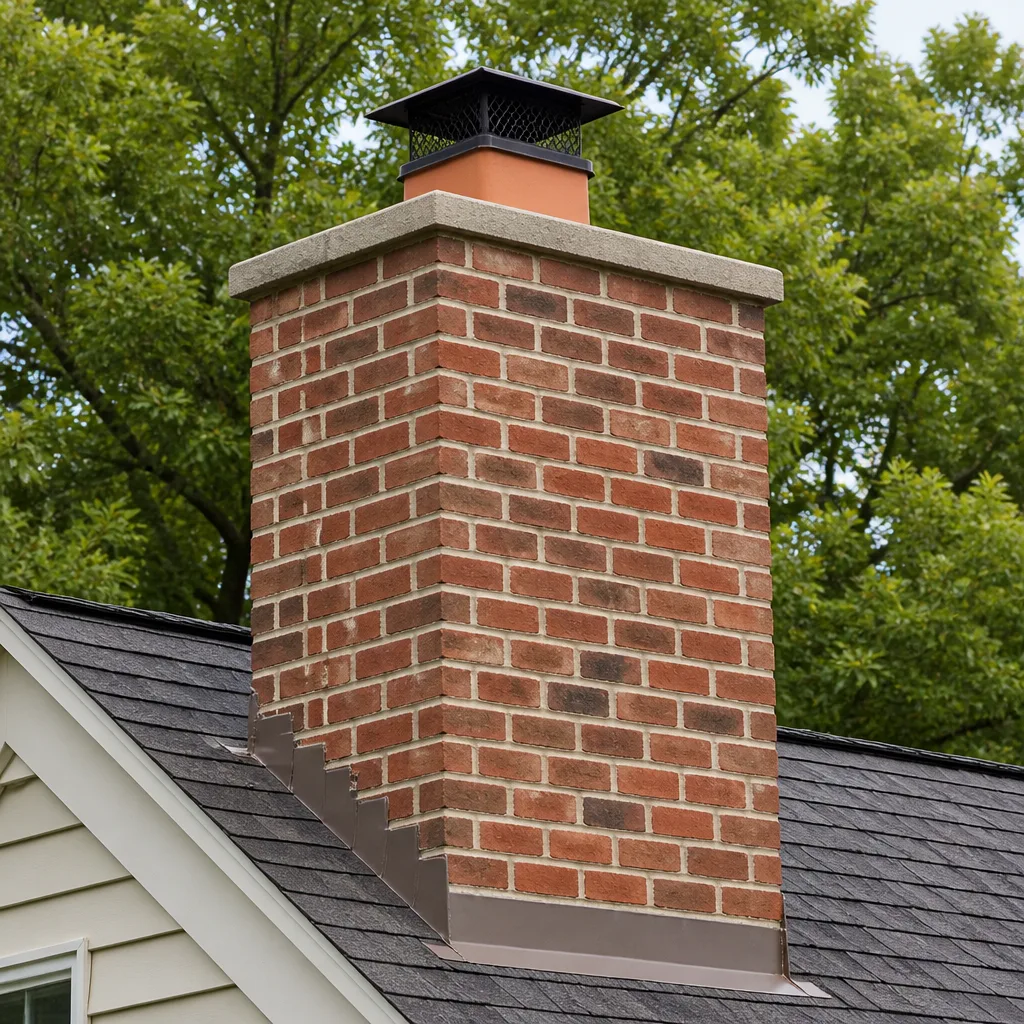
- Masonry repair
- Gas fireplace service
Table of Contents
- Why Vetting Matters More in Pasadena Than You’d Think
- The Credentials That Actually Matter
- Insurance and Workers’ Comp: The Non-Negotiables
- Reading a Quote: What a Good One Includes
- Questions to Ask Before You Book
- Why In-House Repair Capability Matters
- Timing Your Sweep Around Pasadena’s Burning Season
- What a Professional Sweep Actually Involves
Why Vetting Matters More in Pasadena Than You’d Think
The chimney trade in Texas operates without a state licensing board, which means there’s no official floor for competence. Compare that to electrical or plumbing work, where a license number is public record and a homeowner can look it up in minutes. For chimney work, all you have is what the contractor tells you and whatever third-party credentials they hold. In a Pasadena market where handyman-style operators are common, that gap matters.
The second complication is the housing stock. Pasadena has a mix of older single-story homes and newer construction, and the chimneys vary wildly: masonry fireplaces with clay tile liners, prefabricated metal systems with manufacturer-specific components, and wood-burning inserts added after the fact. A genuine sweep knows how each system behaves and what to check. A brush-only operator runs a brush down whatever’s there and bills you for it, whether or not the flue was ever assessed properly.
The stakes aren’t cosmetic. A chimney that’s cleaned but not inspected can hide cracked flue tile, a deteriorated crown, or a failing liner, and those problems are exactly the ones that lead to chimney fires or carbon monoxide migration into a home. When you hire a chimney cleaning contractor in Pasadena, you’re not buying a brushing. You’re buying a professional opinion about the safety of your fire system, and the qualifications of the person giving that opinion are the whole ballgame.
If you’re starting from zero on the terminology front, our overview of Remington Chimney Sweep explains the difference between sweeping, inspection, and repair, which is the right framework for the rest of this guide.
The Credentials That Actually Matter
Two industry certifications carry real weight: CSIA (Chimney Safety Institute of America) and NFI (National Fireplace Institute). Neither is state-issued, but both require passing an exam and committing to a code of ethics. Here’s what each one actually verifies, and what it doesn’t.
What CSIA certifies
CSIA certification focuses on sweeping and inspection. The exam covers NFPA 211 standards, the national code that governs chimneys, fireplaces, and vents. A CSIA-certified sweep has been tested on inspection procedures, creosote identification, and venting fundamentals. What it doesn’t verify is repair skill. A CSIA-certified sweep can tell you the flue is cracked; that certification says nothing about whether they know how to fix it.
What NFI certifies
NFI certification is installation-focused, with separate specialties for wood, gas, and pellet appliances. If you’re having a wood-burning insert installed or replaced, an NFI-certified installer has been tested on clearances, venting, and appliance-specific code. For a routine cleaning, NFI isn’t strictly required, but it’s a useful signal of overall technical depth.
What neither certification covers
Neither credential certifies the business itself. A CSIA-certified technician can work for a company with no insurance, no written reports, and no repair capability. That’s why credentials are step one, not the whole checklist. In our experience, the companies worth hiring tend to have certified technicians and a process for documenting what they find.
Insurance and Workers’ Comp: The Non-Negotiables
Chimney work involves roof access, ladders, and open fire systems. Those are three of the highest-risk conditions in residential contracting, and any company worth hiring carries two types of coverage: general liability insurance and workers’ compensation. Ask for both, and don’t accept a verbal assurance. Request a certificate of insurance naming the homeowner as additional insured, or at minimum a current certificate you can read.
- General liability covers damage to your property if something goes wrong: a broken crown, a damaged flashing, a chimney cap knocked loose, a roof tile cracked underfoot.
- Workers’ comp covers the technician if they’re injured on your roof or inside your home. Without it, an injury on your property can become your problem, and homeowner policies don’t always cover it.
Uninsured operators keep their prices low by offloading risk onto you. That’s the hidden cost of the cheapest quote on the list, and it’s the reason a low price in a Pasadena market flooded with brush-only operators should make you suspicious rather than relieved. Texas requires workers’ comp only for certain employers, so some legitimate small operations may not carry it. Ask anyway, and factor the answer into your decision.
This coverage question ties directly into our explanation of proper chimney repair, because repair work on the exterior structure involves even higher risk than a routine sweep.
Reading a Quote: What a Good One Includes
Verbal pricing is the standard red flag. A good chimney quote is in writing and contains a specific scope of work, so you can compare apples to apples. Here’s what every written quote should include:
- The brand and type of brush or tool being used, which tells you whether the operator understands your flue type (masonry vs. prefab).
- A defined scope of service: sweep plus inspection, sweep only, or inspection only.
- Whether an inspection report is included, and whether it comes with photos or video documentation.
- Whether the price includes pulling the firebox interior apart if your appliance requires it.
- A fixed total price, not an hourly rate, so you know what you’re committing to before work begins.
- A clear statement of what would trigger additional charges: e.g., if bird nest removal is needed, if a cap must be pulled to access the flue.
A quote that lands suspiciously low, say at the bottom of the local range, often excludes the inspection. That’s the classic bait structure: a cheap sweep that tells you nothing, followed by a sales pitch for expensive work you have no way to verify. The honest alternative is a sweep plus a documented inspection at a fair combined price, with a report you can read in your own kitchen. The written estimate should set your final price, so ask for one before booking.
Questions to Ask Before You Book
These seven questions will separate a full-service chimney company from a brush-only operator in one phone call.
- Are your technicians CSIA or NFI certified? If they don’t know the acronyms, that’s your answer.
- Do you carry general liability insurance and workers’ comp? Ask for the certificate.
- Does the price include a written inspection report? A sweep without documentation leaves you guessing about the condition of your flue.
- Can you perform repair work yourself, or do you sub it out? Subbed repairs mean one more party in the chain and a company with no accountability for the findings.
- What brands and materials do you use for relining and repair? Professional-grade materials matter. DuraFlex liner systems and HeatShield resurfacing products are a good sign; generic substitutes at the bottom of the supply house are not.
- What happens if you find a problem? The answer should include a documented report, a clear explanation, and an honest assessment of what can wait.
- Do you have a written estimate? Anything else is a guess.
Any contractor who answers all seven without hesitation is worth your time. Any contractor who dodges more than one is worth passing on. This is the single most useful vetting exercise in the guide.
Why In-House Repair Capability Matters
This is the point competitors miss. A company that can only clean has no stake in telling you the truth about your chimney’s condition. If every job ends at the brush, the incentive is to find nothing, hand over an invoice, and move to the next house. A full-service company’s incentive aligns with yours: sweeping, inspection, and repair are all part of what we do, so an accurate report is the natural outcome of a job well done.
When you hire a sweep with repair capability, you get three practical benefits. First, one company owns the diagnosis and the fix, so nobody points a finger at the last guy. Second, the repair recommendation comes with a scope you can approve in writing. Third, you can ask what the repair involves and judge whether the answer is technically sound, because the contractor who inspects is the one who’d do the work.
Full-service capability also matters for materials. When a chimney needs relining, the difference between a professional-grade DuraFlex stainless system and a generic substitute is substantial. Flexible stainless liners fit irregular flues that other companies decline to touch, and they’re what the trade actually specifies. When resurfacing is the right answer instead of relining, HeatShield products can restore damaged flue tile without a full reline. We specify professional-grade materials on every job, which means the repair you approve is the repair the industry would stand behind, not whatever was in stock that week.
Exterior components work the same way. Caps, crowns, and flashing are part of the chimney system, and they’re what keeps water out of the flue. Products from Gelco and Famco are the kind of cover and cap solutions that address the full exterior system rather than patching one corner.
Timing Your Sweep Around Pasadena’s Burning Season
Pasadena’s winters are mild, which means fireplace use here tends to be concentrated into a shorter shoulder season rather than spread across a long cold winter. That has a few practical implications for scheduling.
- Calls bunch up in late fall. The first genuinely cool week in Pasadena tends to send a wave of homeowners looking for a sweep. Booking before that wave means a more flexible slot and less pressure.
- Off-season is a good time for inspection-only visits. If your fireplace was unused last year and you’re unsure why, a documented inspection in the quieter months gets you answers without the fall rush.
- Creosote builds up slowly. It accumulates from the first fire of the season on, so a sweep at the start of the season is standard practice. If you burn frequently, a mid-season check is worth considering.
Because Pasadena doesn’t have a punishing cold season, some homeowners skip the annual sweep entirely, reasoning that a couple of fires a year can’t produce much creosote. That’s a common misconception. Creosote accumulation depends on what you burn, how often, and whether your flue drafts well, not on how cold the winter gets. A chimney used a handful of times every season still needs an annual sweep and inspection.
What a Professional Sweep Actually Involves
Knowing what a proper sweep looks like helps you judge the quality of the one you hire. Here’s what a professional service involves, start to finish.
- Pre-service inspection. Attic, roof, and flue access points are checked before work begins. A wood-burning insert is pulled and the firebox is opened up first.
- Firebox and baffle removal. The appliance’s interior components are pulled to allow access to the flue.
- Sweeping with a professional brush. The correct brush for the flue type is run the full length of the chimney. This is where creosote is dislodged.
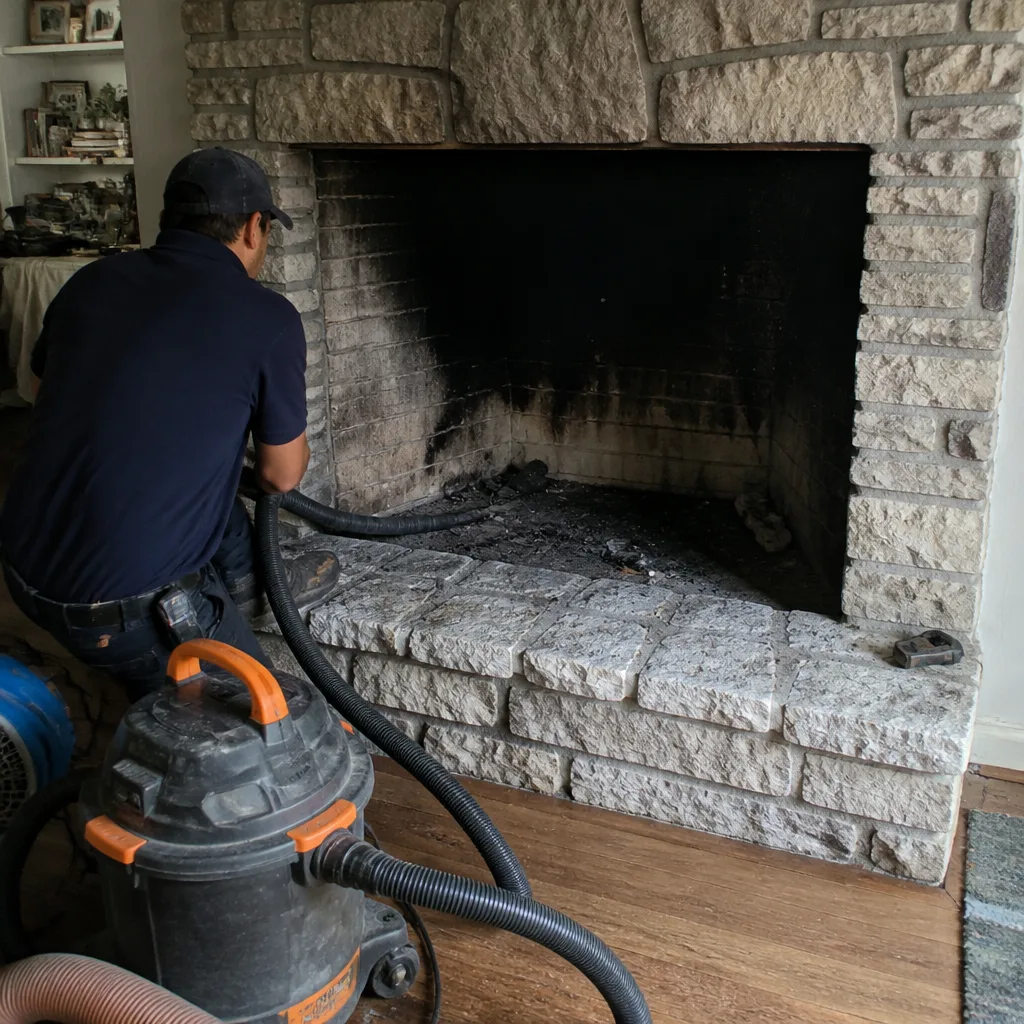
- Debris removal. Ash, soot, and creosote are vacuumed out of the firebox, and inspection ports and ash pits are cleared.
- Inspection of the flue, crown, and cap. The flue is checked for cracks, gaps, and deteriorated joints. The crown is checked for cracks, and the cap is checked for a secure fit.
- Report and explanation. A written report with photos should be handed over, and findings explained in person before the technician leaves.
If a company shows up with a brush, cleans, and walks away without a report, you’ve received a partial service regardless of what the quote said. In our experience, homeowners who ask for the report up front get better outcomes. If you want to understand what a Pasadena-specific chimney sweep involves on a typical home here, that page walks through the same process.
Common Mistakes to Avoid
- Hiring on price alone. The lowest quote in a Pasadena market of brush-only operators often excludes the inspection, meaning you pay for a clean chimney but get no information about its condition.
- Accepting a verbal scope of work. If the work, price, and any assumed conditions aren’t in writing, you have no baseline if something goes wrong or the price changes mid-job.
- Skipping the insurance question. Roof access carries real risk. A contractor without liability coverage and workers’ comp is transferring that risk to you.
- Hiring a sweep who can’t repair. A brush-only company has no incentive to flag problems accurately, and no capacity to fix what it finds. You’ll be shopping for a second contractor anyway.
- Letting a sweep go up without a pre-service walk-through. A professional looks at the firebox, the flue access, and the cap before starting, and will tell you what the job involves before touching anything.
- Assuming a clean chimney is a safe chimney. A sweep cleans the flue. An inspection checks the flue, crown, cap, and appliance clearances. They’re different jobs, and you need both.
- Believing a “free” inspection is really free. If the inspection is free but the repair quote is thousands, ask whether the findings were documented in a way you can verify. You want photos, and an explanation, and a written scope. You shouldn’t have to take anyone’s word for it.
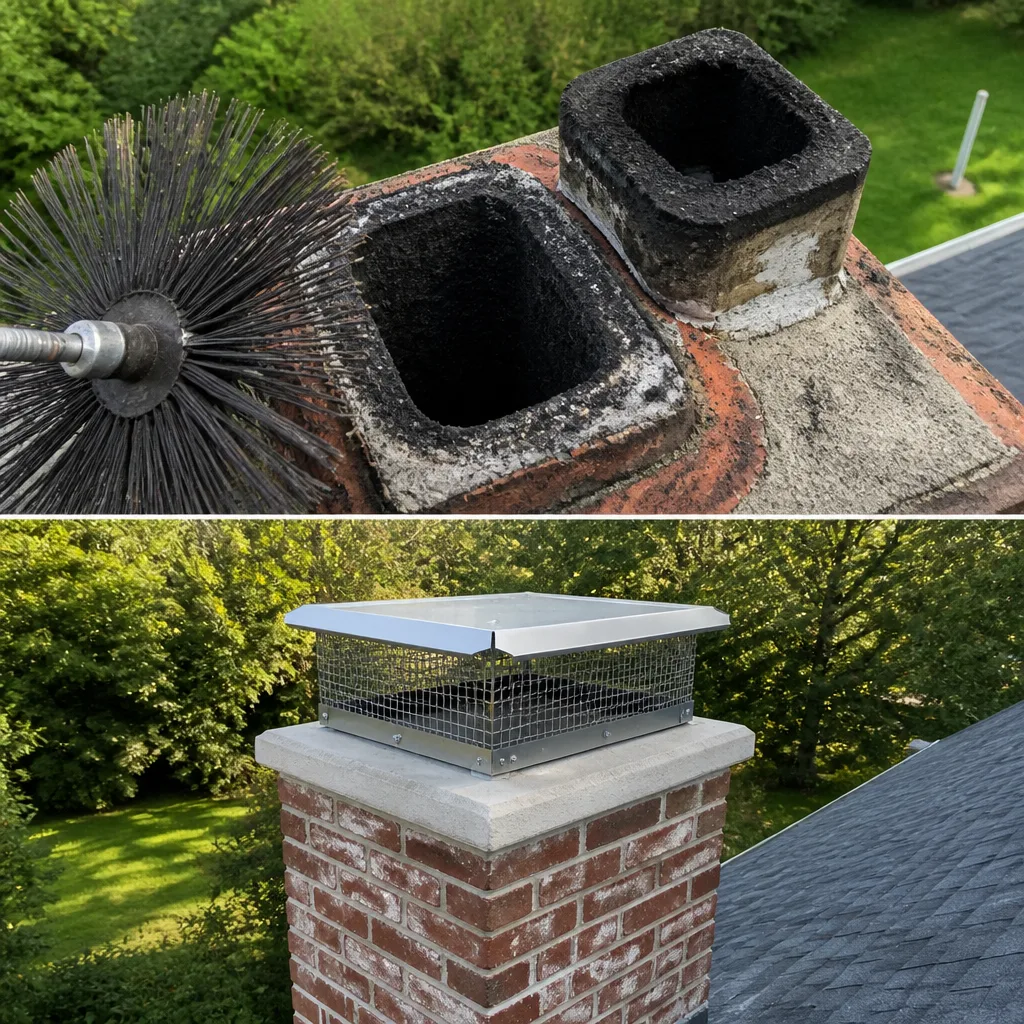
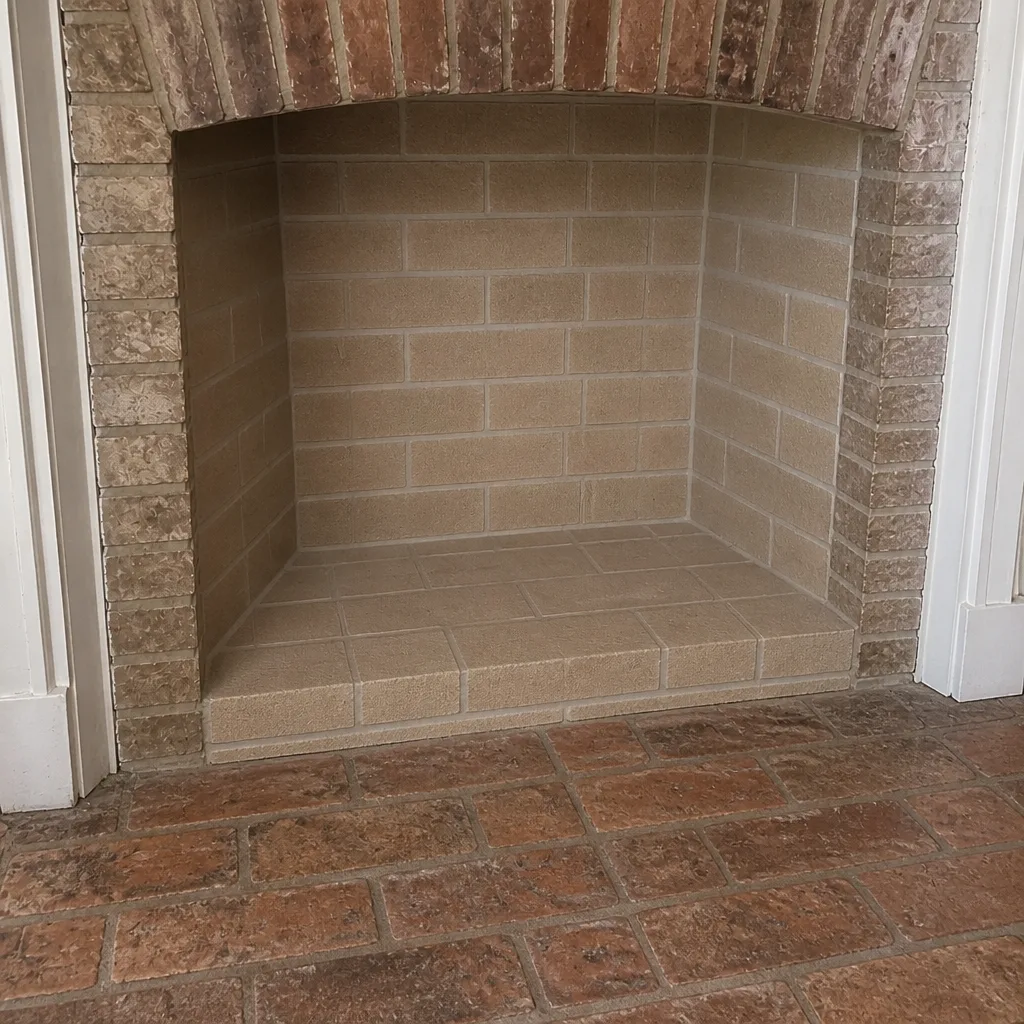
See the difference
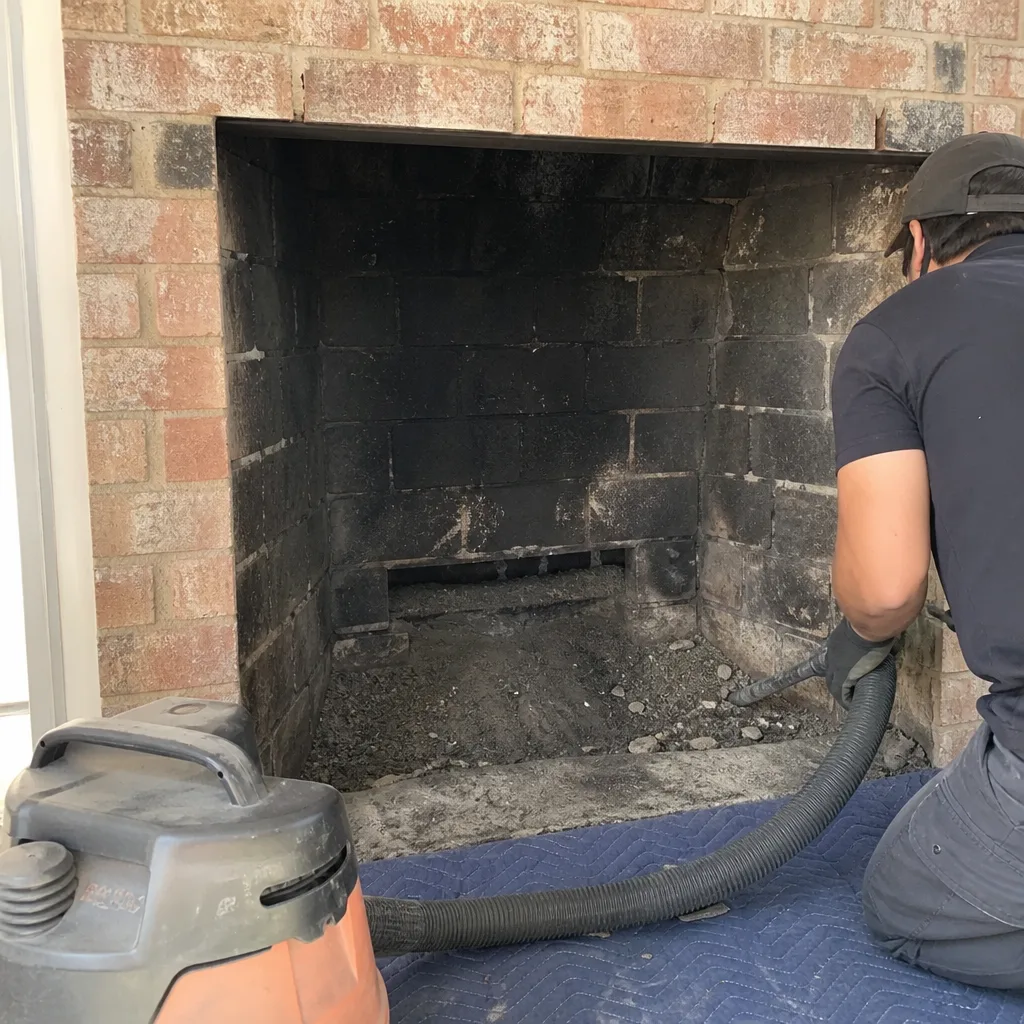 Before
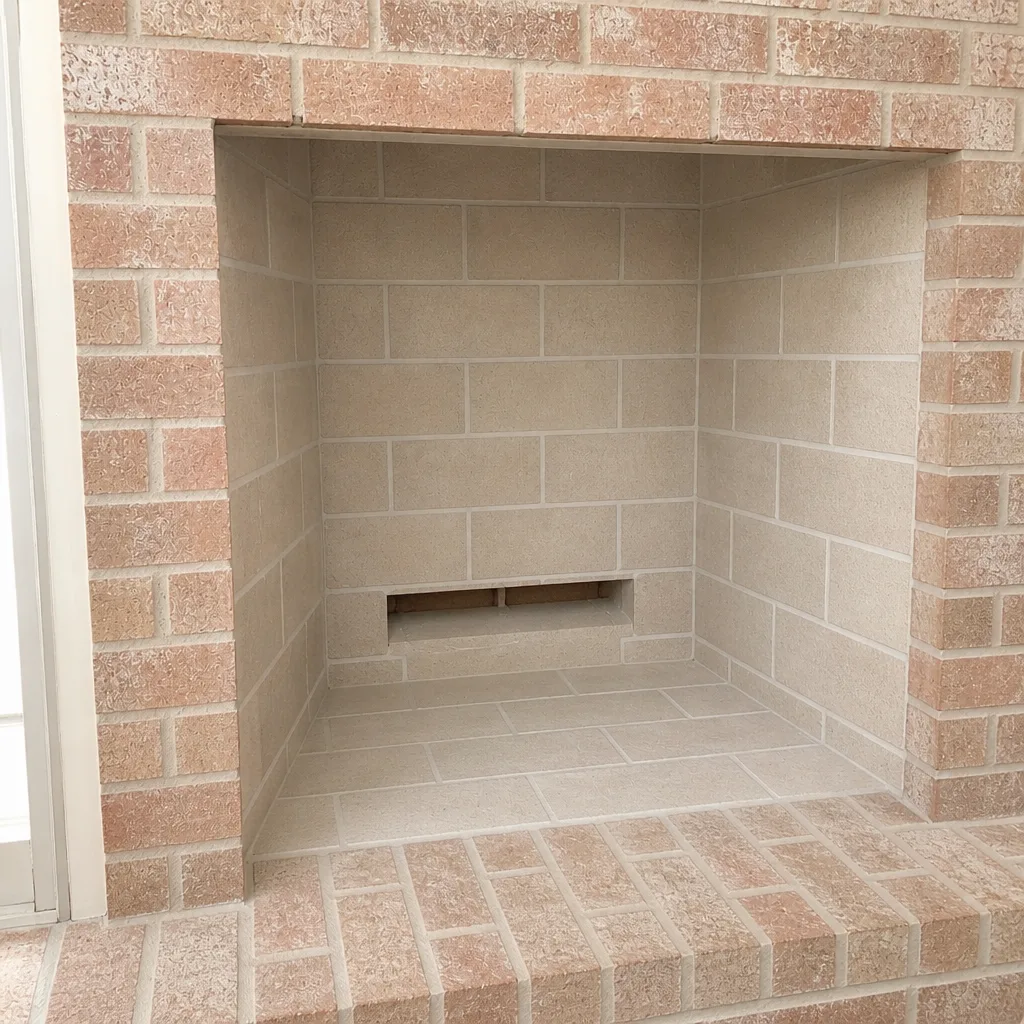 After
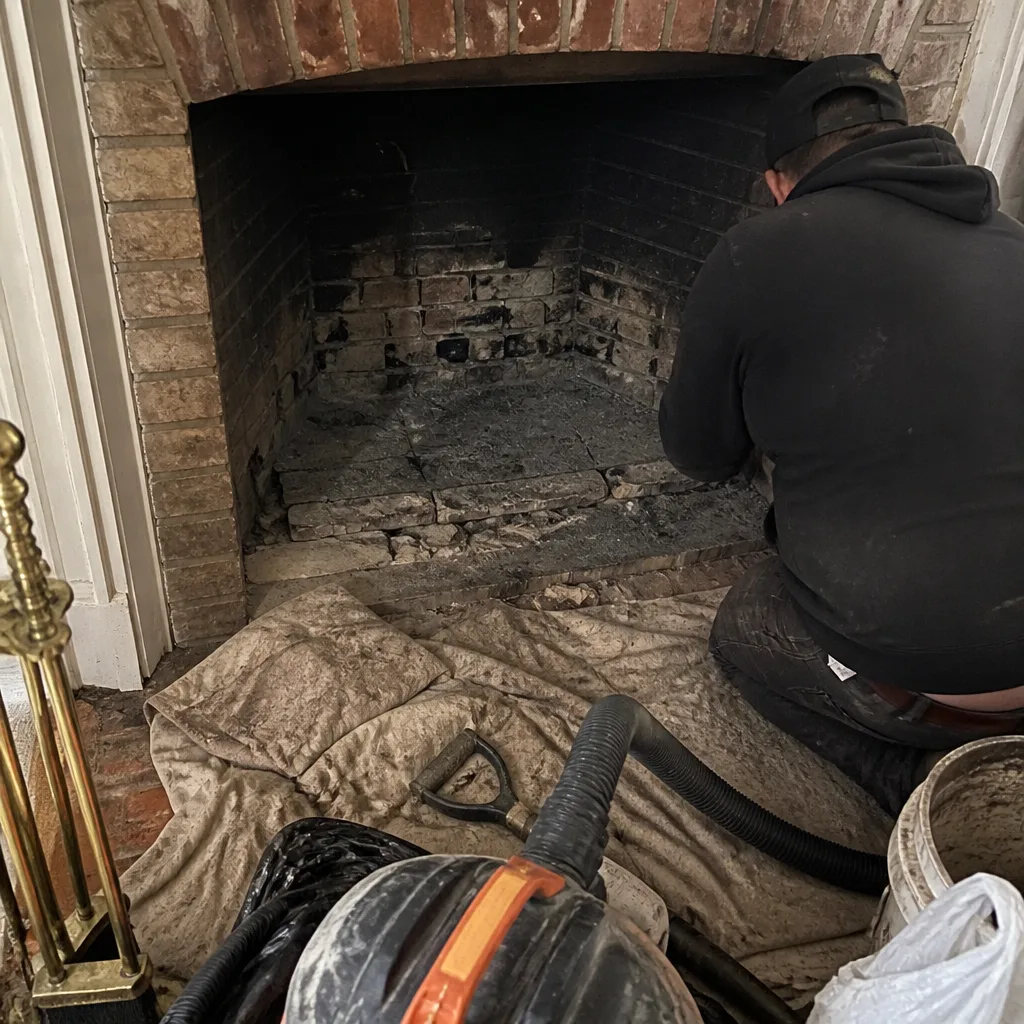 Before
 After
 Before
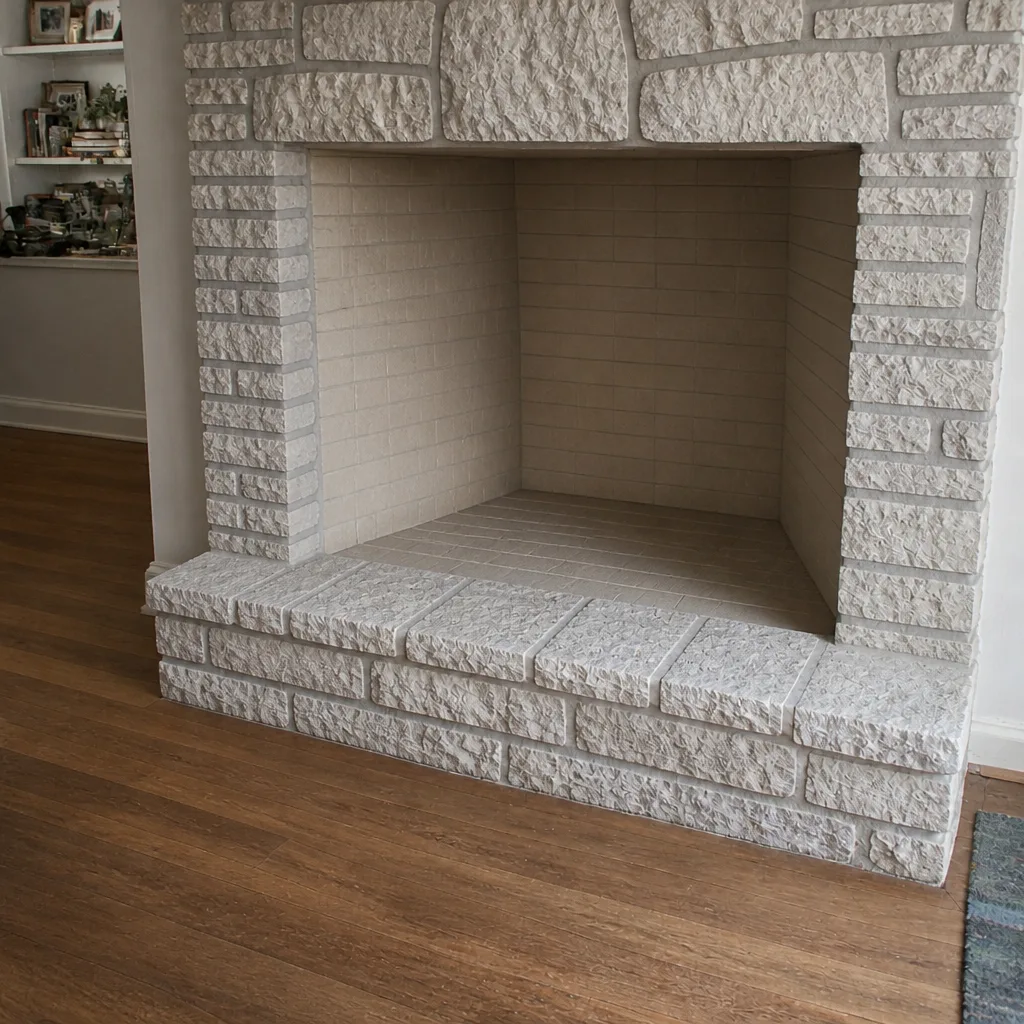 After
When to Call a Professional
Call a professional when you see or smell smoke backing into the room during a fire, when there’s visible creosote buildup on the flue walls, or when a chimney fire has occurred, even a small one you think you handled yourself. Call when the cap is missing or damaged, when you notice water stains or rust in the firebox, or when the masonry crown has visible cracks. Call when you’re selling a home and the buyer’s inspector flags the chimney, and call when you’ve moved into a Pasadena home and don’t know the last time the chimney was serviced. Any annual sweep and inspection is a call, not a wait. Remington Chimney Sweep offers free estimates in Pasadena. Call (833) 334-7488. We answer 24/7. Fast dispatch from 7am to 7pm, Sunday through Friday.
Frequently Asked Questions
Chimney inspection pricing in Pasadena depends on the system (masonry vs. prefab), whether the appliance is a wood-burning insert, and whether roof or attic access is required. The written estimate sets the final price. Because the range varies by system type, the honest answer is to get a written scope and price before booking. Call (833) 334-7488 for an exact quote, and estimates are free.
Technically anyone can run a brush down a flue, but that’s not the same as a certified sweep. Handyman-style operators typically hold no CSIA or NFI credentials, carry limited or no insurance, and cannot perform repair work. They can clean; they can’t tell you, with documentation, whether your chimney is safe. On a fire system, that difference matters.
Once a year is the standard recommendation, and Pasadena’s mild winters don’t change that. Creosote accumulation depends on use, fuel type, and draft quality, not on how cold it gets. A chimney used a handful of times each season still needs an annual sweep and inspection to catch cracks, gaps, and cap problems before they become expensive.
Not always, and any company that says otherwise without documentation is selling, not inspecting. A liner is necessary when the existing flue is cracked, unlined, or incompatible with the appliance, and that diagnosis should come with photos and a written scope you can review. Sometimes resurfacing with HeatShield restores damaged flue tile without a full reline, and a good contractor will tell you when that’s an option. Call (833) 334-7488 for an exact quote, and estimates are free.
Creosote builds up with every fire, and at certain concentrations it becomes combustible. The result is a chimney fire, which can damage the flue and spread into the structure if it’s not caught. Beyond fire risk, a neglected flue can fail to draft properly, letting combustion gases back into the living space. Carbon monoxide is a real concern with a blocked or damaged flue. The annual sweep and inspection exists to catch those conditions before they produce a problem. Call (833) 334-7488 for an exact quote, and estimates are free.
No. Texas does not require a state license to perform chimney sweeping, which means there’s no public registry to check. The practical substitute is CSIA or NFI certification, which require exams and adherence to a code of ethics. That’s why the vetting process in this guide focuses on third-party credentials plus insurance, not on a state license. When you’re looking for a Pasadena chimney professional, ask about certification and coverage directly.
Yes, and for a specific reason: a company that can only clean has no incentive to report accurately. When sweeping, inspection, and repair all sit with one company, an accurate report is the natural outcome, and there’s no handoff to a subcontractor you can’t vet separately. Our technicians have up to 14 years of experience, and we handle sweep, repair, and inspection as one company, so nothing gets lost between steps.
The Bottom Line
Hiring a chimney contractor in Pasadena starts with accepting that no state license will protect you. The work of qualifying the contractor is yours, and it comes down to four things: third-party certification (CSIA or NFI), confirmed liability insurance and workers’ comp, a written scope with a post-service report, and the question of whether the company can do repair work in-house. Get clear answers on all four before anyone climbs on your roof. A low quote that excludes inspection isn’t a bargain; it’s a question mark. When you’re ready to book a properly documented sweep and inspection, call (833) 334-7488. We answer 24/7. Fast dispatch from 7am to 7pm, Sunday through Friday. Estimates are free, and we’ll tell you what your chimney needs and what it doesn’t.
Written by the team at Remington Chimney Sweep.