
Last updated November 15, 2026
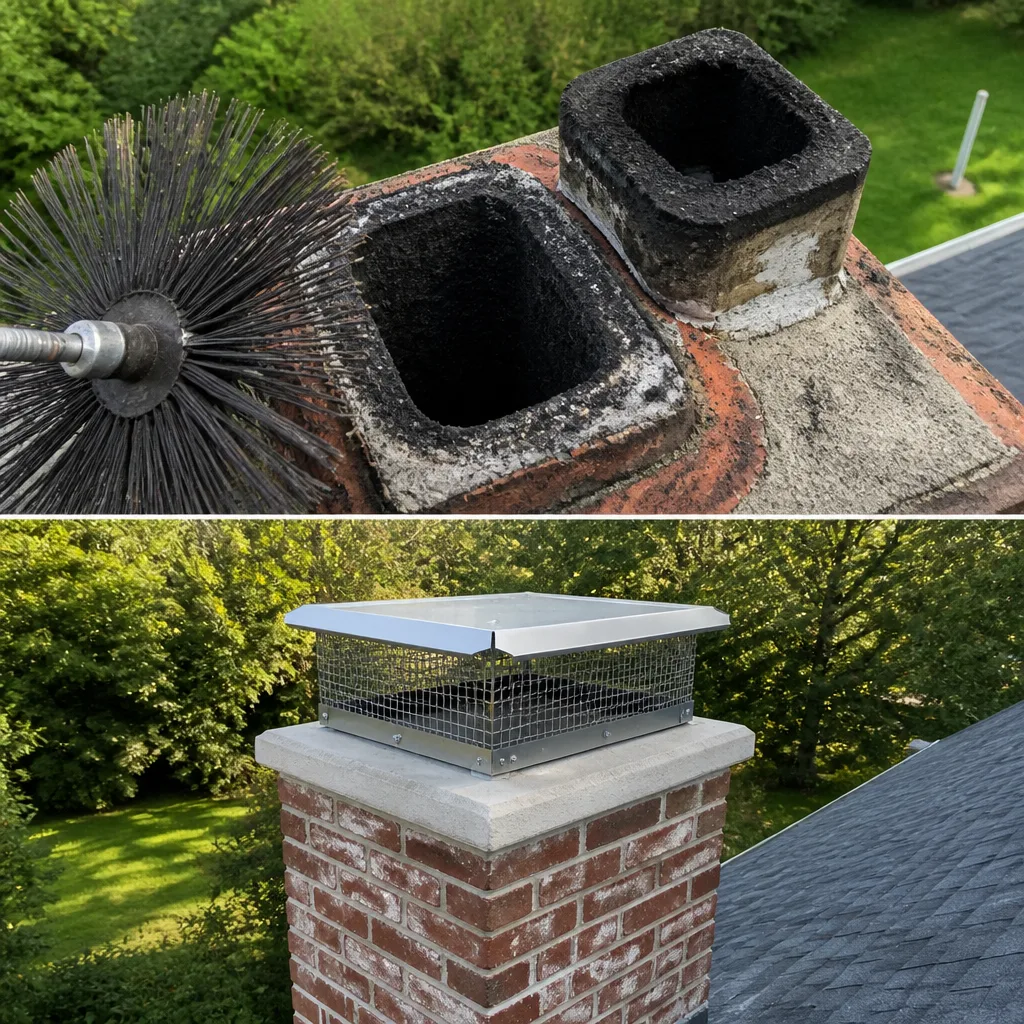 Sweep & inspection
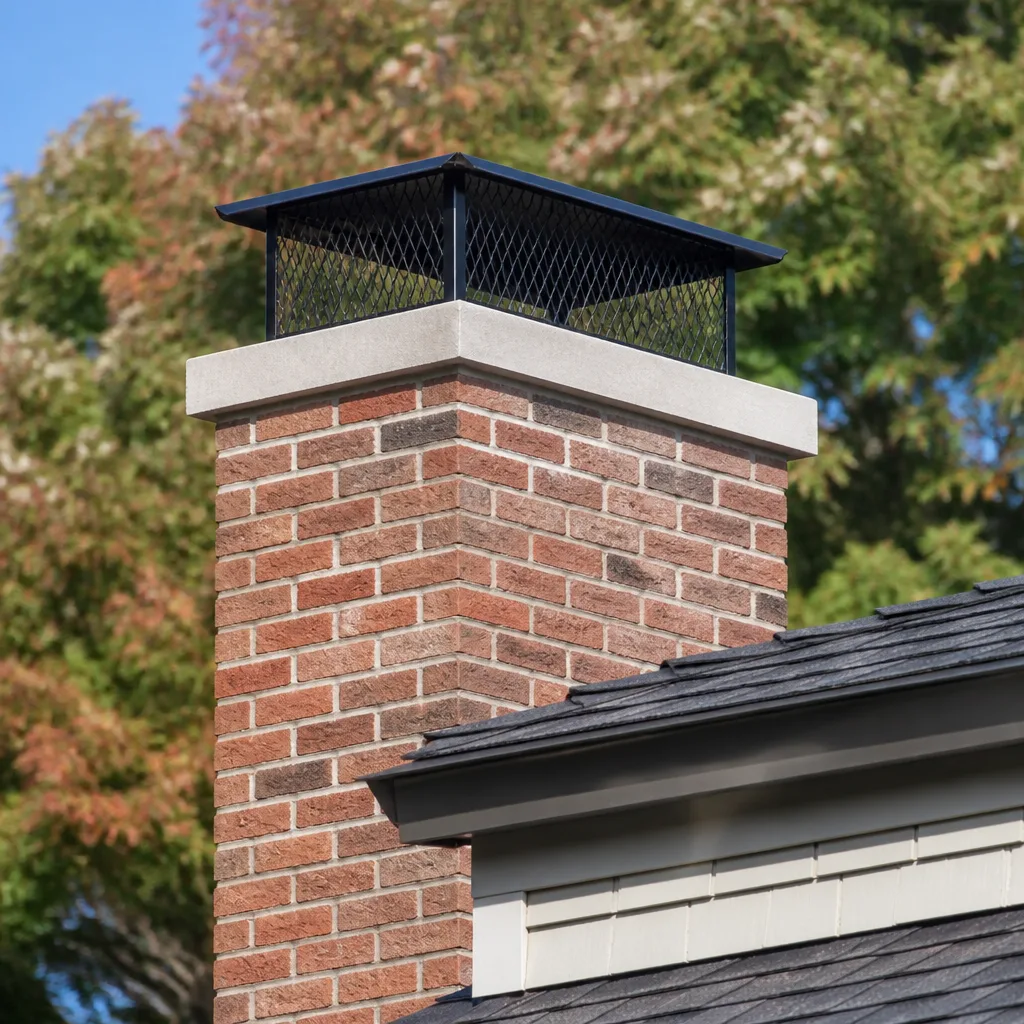 Caps & crowns
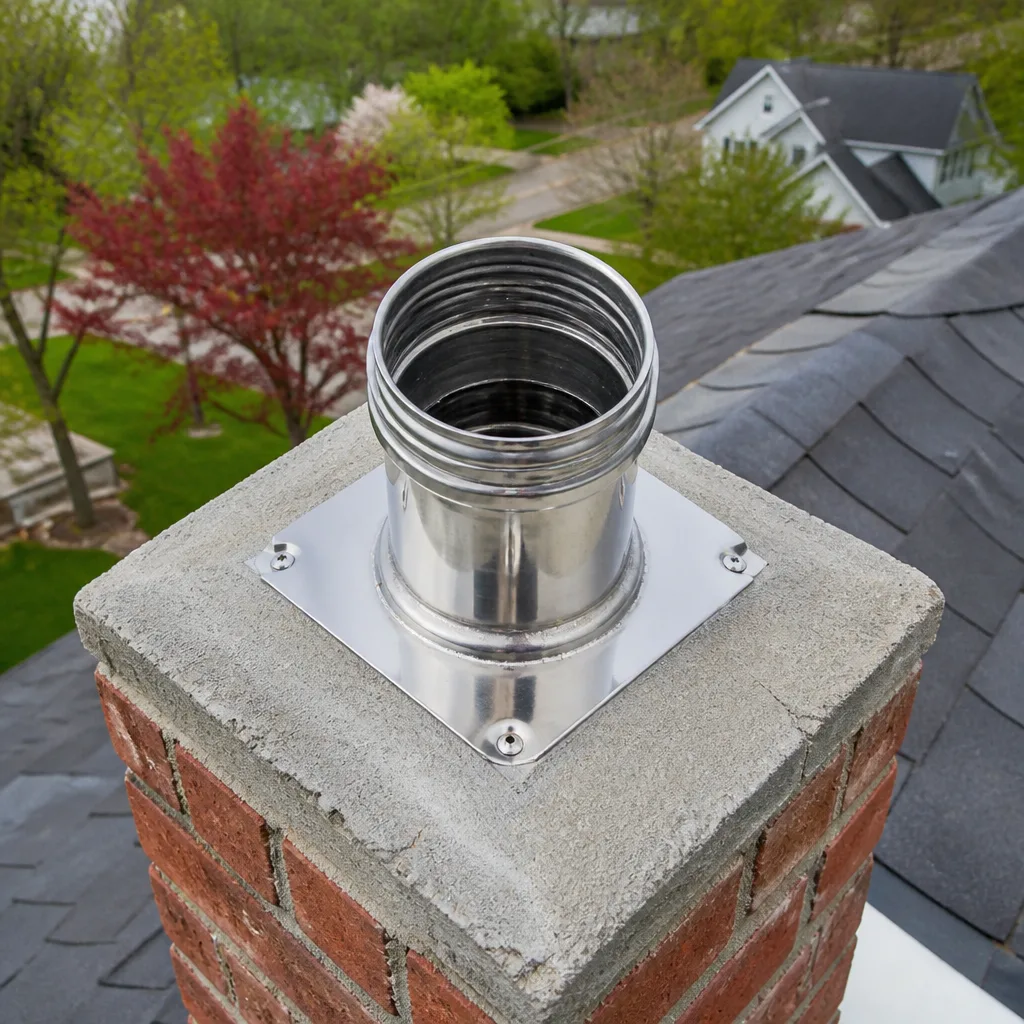 Flue relining
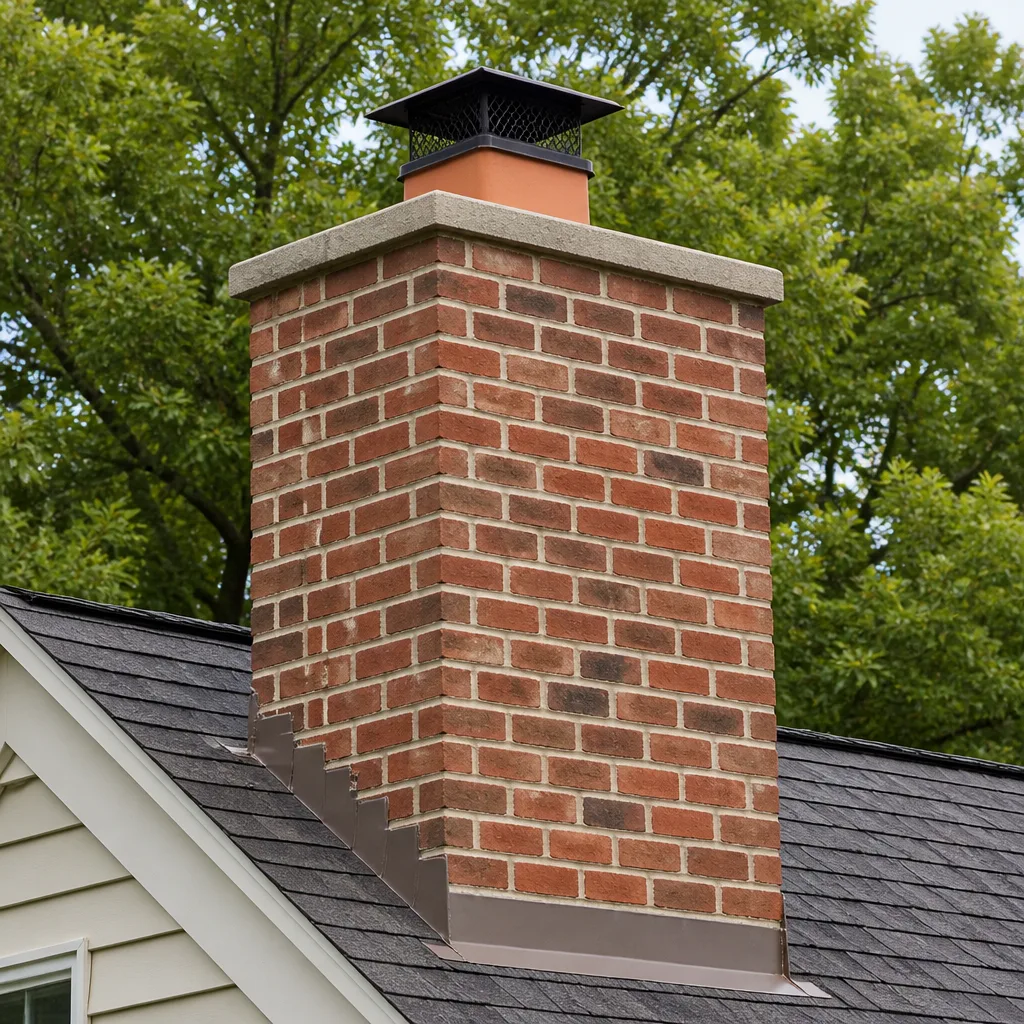 Masonry repair
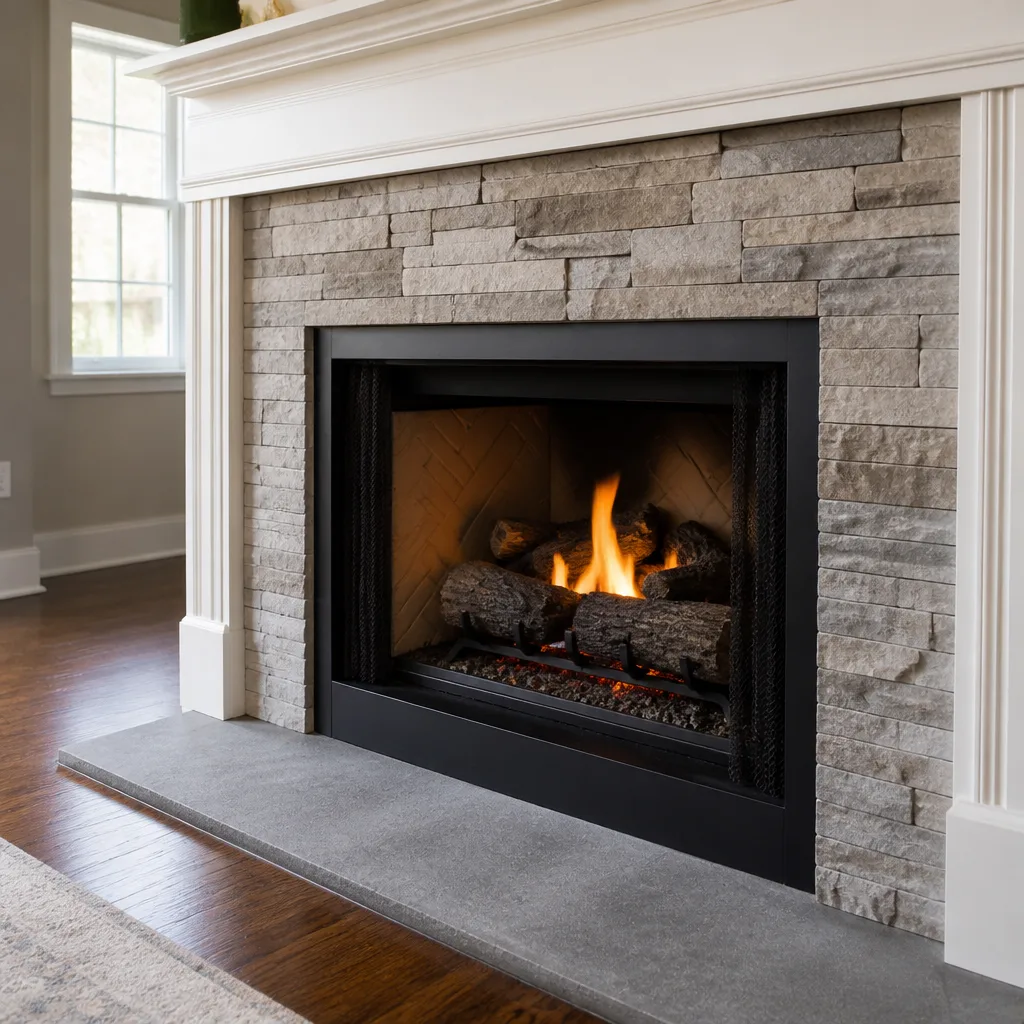 Gas fireplace service
Level 1 sweep and inspection to the NFPA 211 annual standard - flue, crown, cap, and flashing checked and photographed
Chimney sweep logs do not sweep chimneys. They loosen some creosote - which then falls where a brush and vacuum still have to collect it.
Chimney Cleaning Cost Breakdown: The Pasadena Homeowner’s Reference for 2026
A $79 chimney sweep coupon doesn’t pay for a certified technician, a written inspection report, or liability coverage. It pays for someone to run a brush through your flue and leave. That’s not a bargain, it’s an incomplete transaction, and the gap between what the coupon covers and what a chimney actually needs is where real money gets lost. In Pasadena, where wood-burning fireplaces stay in use across the mild winter and humidity quietly works on masonry year-round, the cost of chimney cleaning has less to do with the brush and everything to do with what the person holding it is qualified to see and report. This guide breaks down what chimney cleaning costs in Pasadena in 2026, what a legitimate quote should itemize, and how to tell padding from work you genuinely need.
Quick Answer
Chimney cleaning in Pasadena, TX typically costs $180 to $350 for a standard sweep, $250 to $450 when a Level 1 inspection and written report are included, and $400 to $700 for a sweep paired with a Level 2 camera inspection. The final price depends on flue condition, access, and the number of flues, and every legitimate quote should be itemized so you can see exactly what you’re paying for before anyone lights a flashlight.
Styles & brands we work with
- Sweep & inspection
- Caps & crowns
- Flue relining
- Masonry repair
- Gas fireplace service
Table of Contents
- What drives chimney cleaning cost in Pasadena?
- The three service tiers and what each one includes
- What a legitimate quote itemizes (and what’s missing signals)
- The true cost of the low-bid sweep
- Why “we’ll fix it” quotes without material specs can’t be held accountable
- Chimney work: insurance claim or out-of-pocket maintenance?
- Pasadena-specific factors that affect what you’ll pay
- How to read your written estimate
What drives chimney cleaning cost in Pasadena?
Four things move the price of a chimney cleaning in Pasadena: the condition of the flue, the number of flues in the chimney, how easy it is to access the roof and firebox, and whether the visit includes an inspection report. A single-flue masonry chimney on a one-story home with an accessible firebox is the baseline job. Add a second flue, a steep roof pitch, a wood-burning insert that has to be pulled to reach the flue, or a chimney cap bolted down with rusty hardware, and the time required goes up. Time is what you’re paying for, along with the training that lets a technician recognize creosote glaze versus a soft soot buildup at a glance.
Creosote is the reason chimney cleaning exists at all. Wood smoke condenses on the flue walls as creosote, and it comes in forms ranging from soot to a hardened, tar-like glaze that’s harder to remove and burns hotter. The form it takes depends on how the fire is burned: poorly seasoned wood, cool fires, and a flue that never gets hot enough all produce more of the sticky stuff. Here in Pasadena, where winters are mild and fires are often burned for ambiance rather than heat, low-temperature smoldering fires are common, and they’re exactly the kind that build glaze. A sweep who knows what they’re looking at can tell you whether your burning habits are feeding the problem.
Pasadena’s humidity matters too, though not in the way cold-climate advice suggests. Moisture moving through masonry and settling in an uncapped flue accelerates the breakdown of mortar joints and can cause rust at the damper. A cap fits into that picture, which is why a thorough visit looks at the whole exterior system, not just the flue interior. It’s also why a quote that covers only brushing can’t tell you whether water is quietly working on the crown and flashing above your firebox.
The three service tiers and what each one includes
In the Pasadena and broader Harris County market, chimney work generally falls into three tiers. Understanding the distinction is the single most useful thing you can do before you call anyone, because a quote without a tier attached is a number without a meaning.
Tier 1: Sweep only
- Typical range: $180 to $350
- What’s included: Brushing of the flue and firebox, removal of soot and creosote, cleanup of the work area, and a verbal summary of what the technician observed.
- What’s not: A written report, camera inspection, or documentation you could hand to an insurer.
Tier 2: Sweep plus Level 1 inspection
- Typical range: $250 to $450
- What’s included: Everything in Tier 1, plus a visual inspection of the accessible portions of the chimney interior, exterior, and firebox, with a written report of findings and any recommended repairs.
- Why it matters: This is the tier that turns a cleaning into a record. If a repairable problem turns up, you have documentation of when it was found and what was recommended.
Tier 3: Sweep plus Level 2 inspection
- Typical range: $400 to $700
- What’s included: Everything in Tier 2, plus a video camera inspection of the flue interior, which lets the technician see cracks, gaps, and offsets that a visual look from the firebox can’t reach.
- When it’s warranted: After a chimney fire, after a change in fuel type or appliance, when buying or selling a home, or any time a Level 1 inspection shows something that needs a closer look.
The ranges are typical estimates for the Pasadena market, not fixed prices. Every job is priced per job by a written estimate before work starts, because a two-story chimney with a glazed flue is not the same job as a single-story chimney that’s been maintained.
What a legitimate quote itemizes (and what’s missing signals)
A legitimate chimney cleaning quote tells you what’s being done, what’s being inspected, who’s doing it, and what happens if something is found. When those items are missing, the quote isn’t cheaper, it’s just less complete, and you’ll often find out what was left out later, when the problem the sweep didn’t look for becomes a repair you can’t put off.
Here’s what should appear on a written quote for chimney work in Pasadena:
- The service tier by name. Sweep only, sweep plus Level 1, or sweep plus Level 2. If the quote says “chimney cleaning” with no inspection language, you’re in Tier 1 whether or not that’s what you wanted.
- Scope of the flue or flues. How many flues are being cleaned, and whether an insert or appliance has to be removed to reach them.
- Inspection method. Whether the inspection is visual (Level 1) or uses a camera (Level 2), stated plainly.
- Written report. Confirmation that you’ll receive findings in writing, not just a verbal rundown at the door.
- Repair recommendations kept separate. Findings and recommendations should be listed apart from the cleaning price, so you can see what’s included versus what’s an add-on.
- Material specifications for any repair. If a repair is recommended, the quote should name the materials or systems being used, not just describe the outcome.
- Insurance and credential language. The company should be able to state that it’s licensed and insured and that technicians are trained for the work being quoted.
If a quote skips items 3, 4, 5, and 6, you’re holding a brush-and-bill proposal. That’s not automatically a bad thing, but it means the price you see reflects only the brushing, and any problem in your chimney will be discovered later, on someone else’s schedule.
The true cost of the low-bid sweep
The cheap sweep doesn’t cost you the coupon price. It costs you whatever the problem it missed turns into. That’s the arithmetic nobody puts on the mailer.
Consider a common pattern: a chimney has a cracked flue tile or a gap in the mortar joints, something a trained technician with a camera or a careful visual inspection would flag. A brush-only visit glosses over it. The chimney gets swept, the homeowner gets a clean firebox, and two burning seasons later the creosote that seeps into that crack has expanded the damage, and what was a resurfacing job has become a relining job. The gap between the two isn’t a marketing scare tactic, it’s the ordinary difference between repairing a flue interior early and rebuilding the flue pathway later.
Beyond missed repairs, the low-bid sweep also skips the documentation. A written report is what lets you prove, months or years later, that a problem was identified and when. Without it, you have no record, and no basis for a conversation with anyone, including your insurer, about what was known and when.
The honest framing here isn’t “spend more.” It’s “know what you’re buying.” A Tier 1 sweep from a company that’s licensed and insured, that cleans thoroughly, and that tells you plainly what it did and didn’t see, is a legitimate purchase. What you want to avoid is a Tier 1 sweep sold at a Tier 2 price, or a Tier 1 sweep that’s presented as a full service when it isn’t. We’ll tell you what your chimney needs, and what it doesn’t, and let you choose the tier that fits.
Why “we’ll fix it” quotes without material specs can’t be held accountable
A repair quote that says “we’ll fix the flue” is not a quote. It’s an intention. Without a named material or system, you have no standard against which to judge the finished work, and no way to compare one contractor’s proposal to another’s.
Material specification is where chimney repair quotes diverge most sharply, and it’s why we specify professional-grade materials on every job. When a flue needs resurfacing rather than full relining, a repair-grade product like HeatShield restores the interior of damaged flue tile in place, giving a durable result without tearing out and rebuilding the whole flue pathway. When a flue is irregular, offset, or has been declined by other companies as too difficult to line, a flexible stainless system like DuraFlex is the standard choice because it’s built to navigate the geometry. For the exterior, caps, crowns, and covers from brands like Gelco or Copperfield address the top of the chimney, which is where water gets in.
When the quote names the system, three things become possible. You can compare it against another contractor’s proposal on equal footing. You can ask whether the product is designed for the job in front of you. And you can hold the contractor to what was written, because “we fixed the flue” and “we restored the flue interior with a specified resurfacing system” are two different claims. That specificity is what separates a professional-grade repair from a patch.
Chimney work: insurance claim or out-of-pocket maintenance?
Most chimney work is maintenance and gets paid out of pocket. Insurance claims come into play when damage is sudden and accidental: a chimney fire, a lightning strike, or a related event. The difference matters, because how the work is documented affects which bucket it lands in.
Here’s the general dividing line:
- Likely out of pocket: routine sweeping, creosote removal, crown and cap maintenance, minor mortar repair, resurfacing of a flue that has worn gradually.
- Possibly insurable: damage from a chimney fire, damage from a weather event, or a sudden failure that meets your policy’s terms.
Deferred maintenance is the trap. Insurers distinguish between damage that happened suddenly and damage that developed because a known or discoverable problem was never addressed. That’s where documentation earns its keep. A written Level 1 or Level 2 inspection report establishes when a problem was observed, what it looked like, and what was recommended. Without that record, it’s hard to demonstrate the difference between gradual deterioration and an event.
We can work with your insurer, but we don’t decide coverage, and we won’t tell you a cleaning qualifies as a claim. What we can do is give you the written report and the photos you’d need to have the conversation. That’s true whether you’re in Pasadena or anywhere else in the Houston area.
Pasadena-specific factors that affect what you’ll pay
Chimney work in Pasadena sits in a particular local context. The winters are mild, which means fireplaces are used intermittently, and intermittent use is harder on a flue than steady burning, because the flue warms and cools repeatedly, which encourages creosote condensation and can stress masonry over time. Homes near the older parts of the city, including the neighborhoods around the historic downtown core, often have masonry chimneys that were built decades ago and have had multiple owners, which means the maintenance history is often unknown. That uncertainty is your reason to start with a Level 1 inspection.
Humidity is the other local factor. West of the ship channel, the air holds a lot of moisture for much of the year, and an uncapped chimney is an open invitation for it to move into masonry. A cap isn’t a luxury. It’s a maintenance item, and addressing the crown at the same time as the cleaning is often the most cost-effective sequence, because the technician is already on the roof.
Pasadena also falls under local permitting for certain structural chimney work. We don’t quote permits as a line item, because requirements vary by project, but if a repair needs one, that gets stated in the estimate so you can ask your city’s building department directly. For homeowners comparing quotes, that disclosure is a useful signal: a contractor who mentions permits is a contractor who plans to do the work to code.
How to read your written estimate
Your written estimate is the most important document in the transaction. Here’s how to read it efficiently, in numbered order:
- Start at the service tier. Find the words “Level 1” or “Level 2” or the absence of either. That tells you what kind of inspection, if any, is included.
- Count the flues. Confirm the estimate reflects the actual number of flues in your chimney. A quote for “a chimney” when you have two is a quote that will change at the door.
- Find the documentation line. Look for “written report” or “photo report.” If neither appears, ask before you book.
- Read the repair section separately. Repairs should be quoted apart from the cleaning. If they’re bundled into one number, ask for them split so you can see the maintenance cost on its own.
- Check for material names. Any repair recommendation should name the system or product. That’s what makes the quote comparable and enforceable.
- Look for insurance language. The company’s licensing and insurance status should be stated on the quote or on request.
An estimate you can read in two minutes and understand fully is an estimate from a contractor who knows what they’re quoting. If the sheet takes ten minutes to decode, that’s information too.
Common Mistakes to Avoid
- Booking on price alone, with no tier attached. A quote without a named service tier is a number without a scope, and it will compare unfavorably to nothing because you can’t compare it. Ask for the tier in writing before you agree to anything.
- Skipping the written report to save a little money. The report is what lets you prove when a problem was found and what was recommended. Without it, you have no record, and in Pasadena’s older masonry chimneys, where the maintenance history is usually unknown, that record is the whole point.
- Accepting a repair quote with no material specification. “We’ll fix it” is not a quote. If the estimate doesn’t name the system being installed, you can’t compare contractors or hold anyone to the standard you paid for.
- Treating the chimney cap as optional. Pasadena humidity has a long time to work on open masonry. A cap is a small line item that addresses water intrusion before it becomes a crown repair.
- Burning unseasoned wood to save on fuel. Wet wood burns cool and produces more creosote. The savings on wood get spent on sweeping, which is not a good trade.
- Assuming a cleaning is the same as an inspection. They’re different services with different price tiers. If you need to document your chimney for a sale, a claim, or a new appliance, ask for the tier you actually need.
- Waiting until the problem is visible from the ground. By the time a crack in the crown is visible from the driveway, it’s usually been at work for a while. Early detection is the cheapest repair you’ll ever buy.
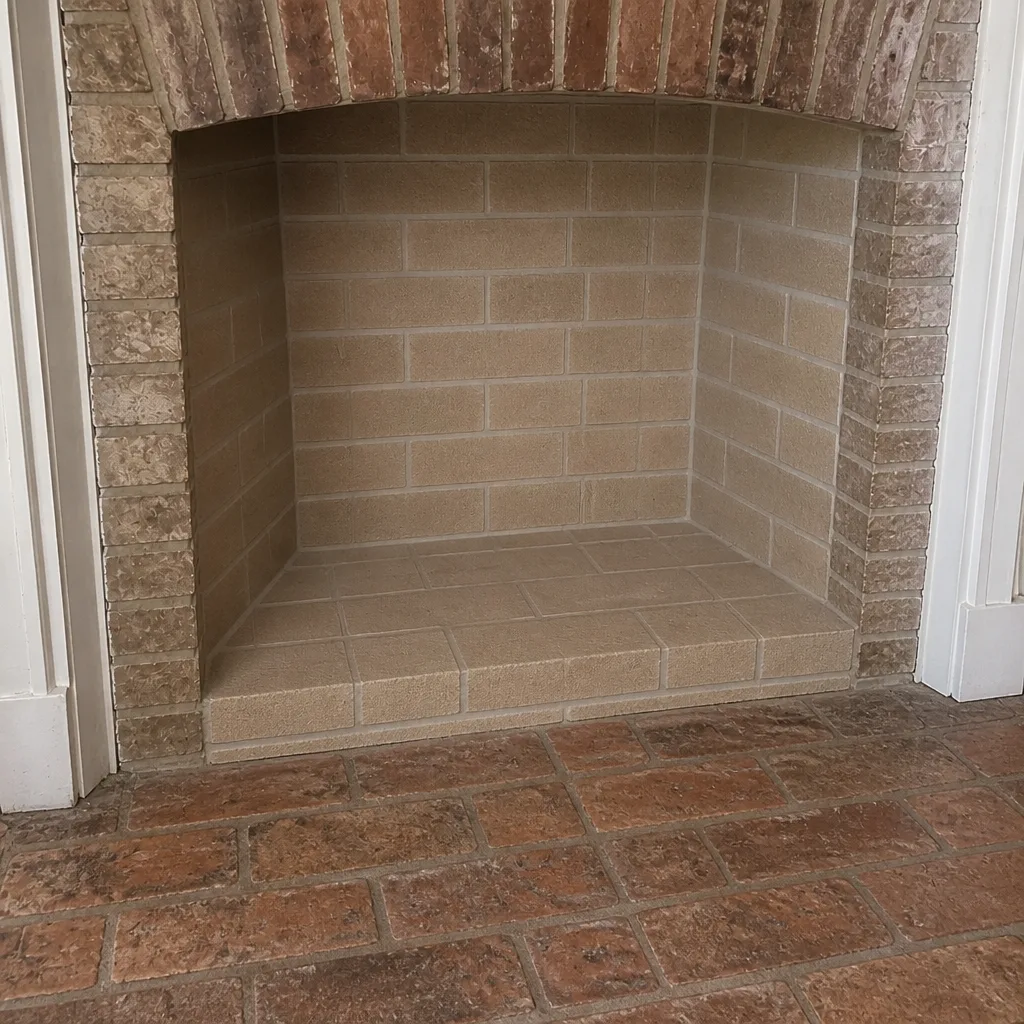
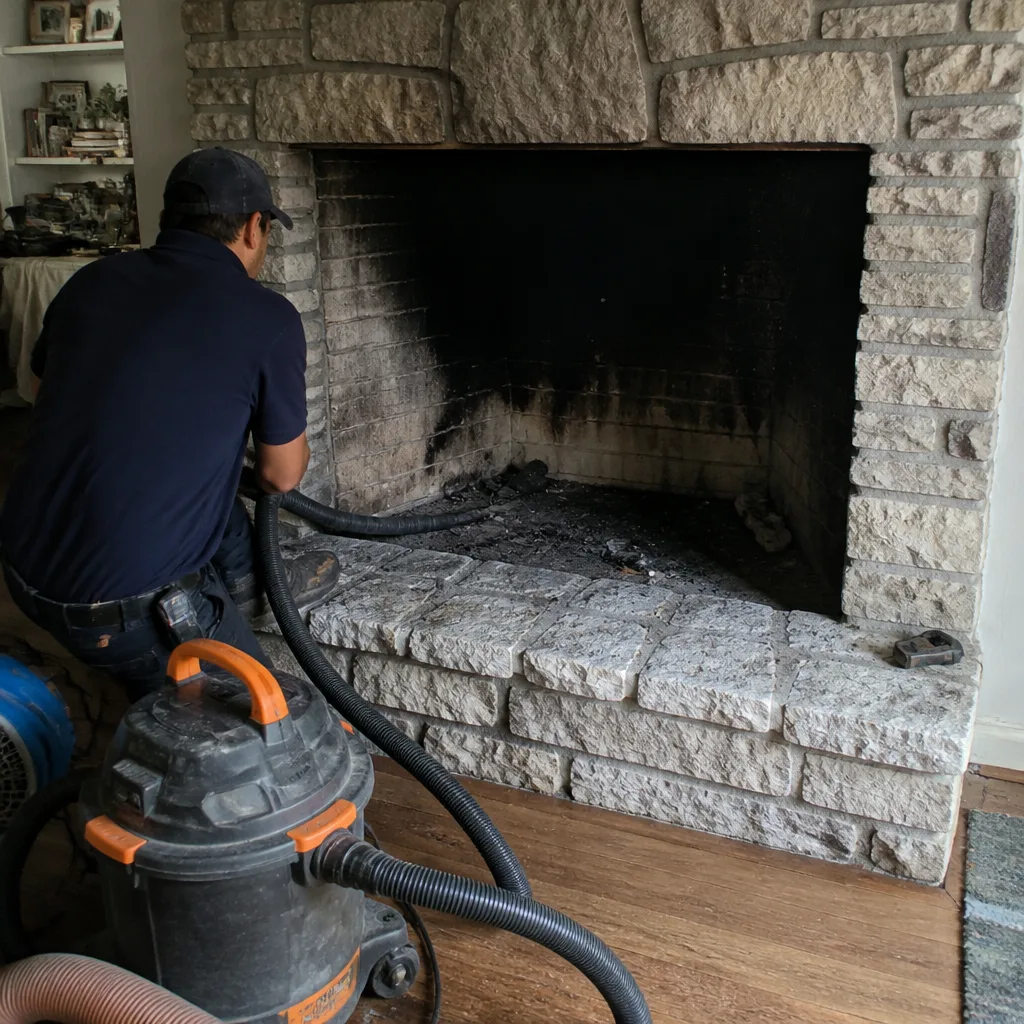
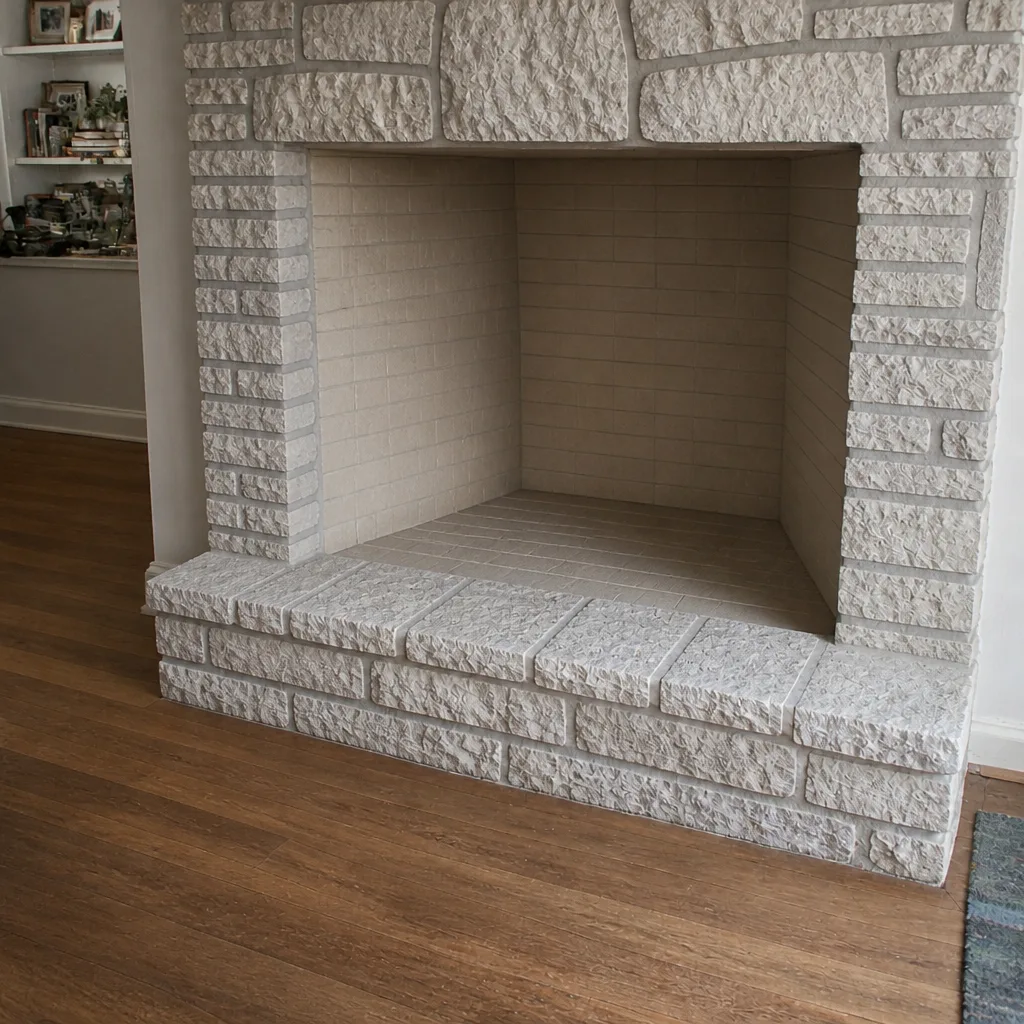
See the difference
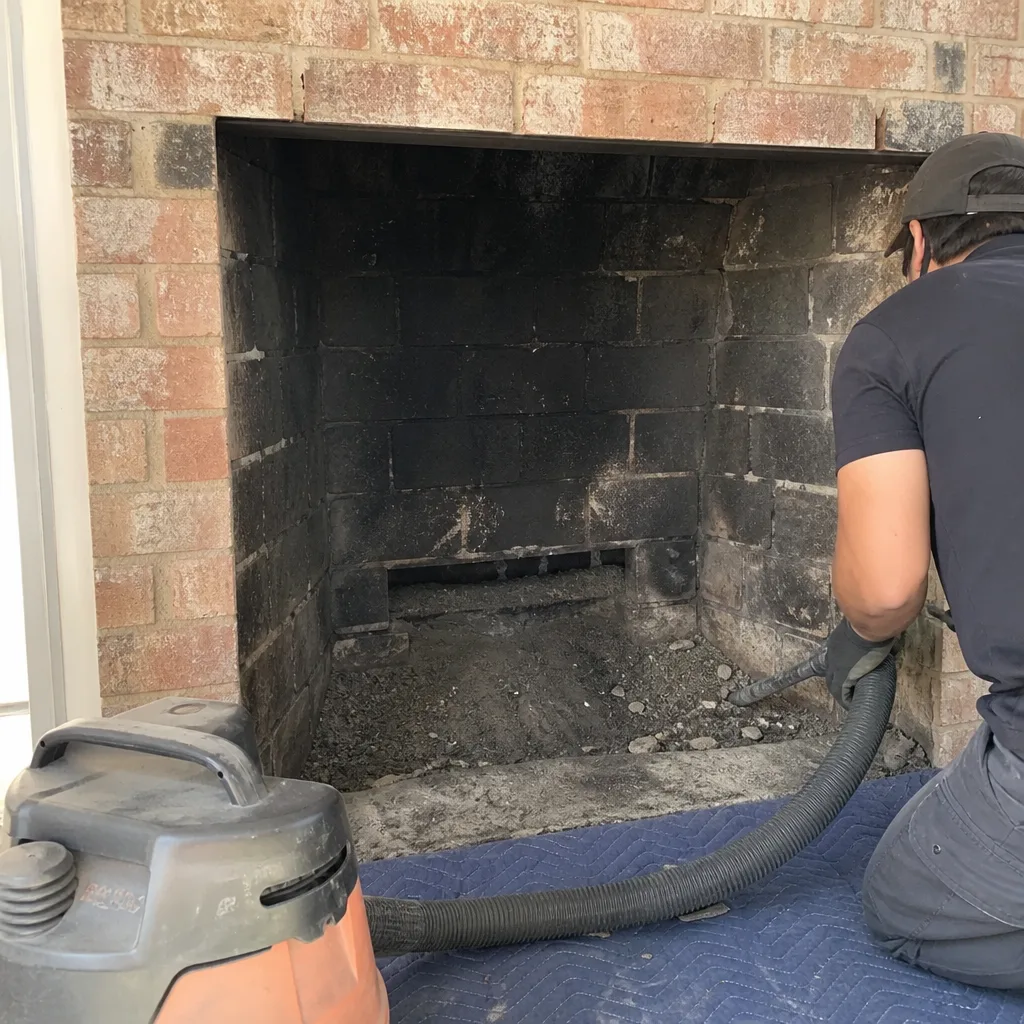 Before
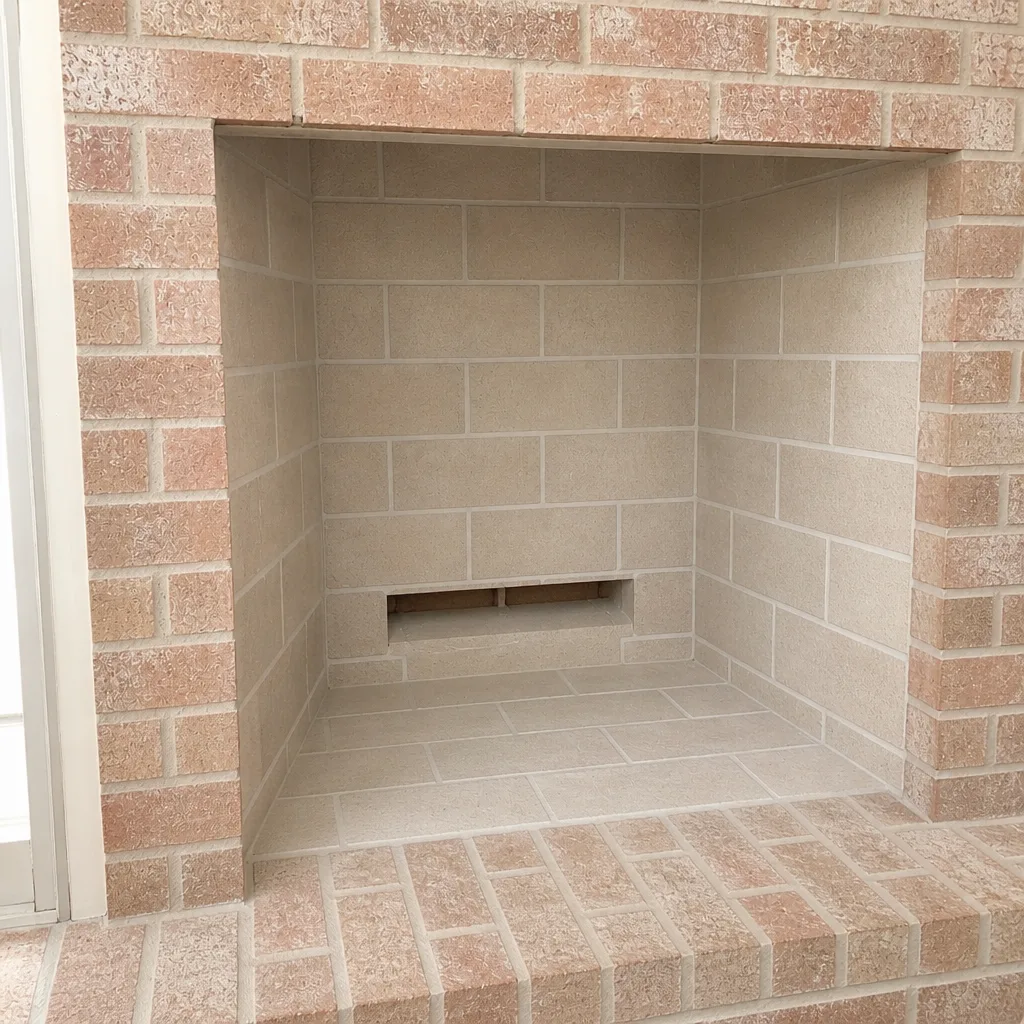 After
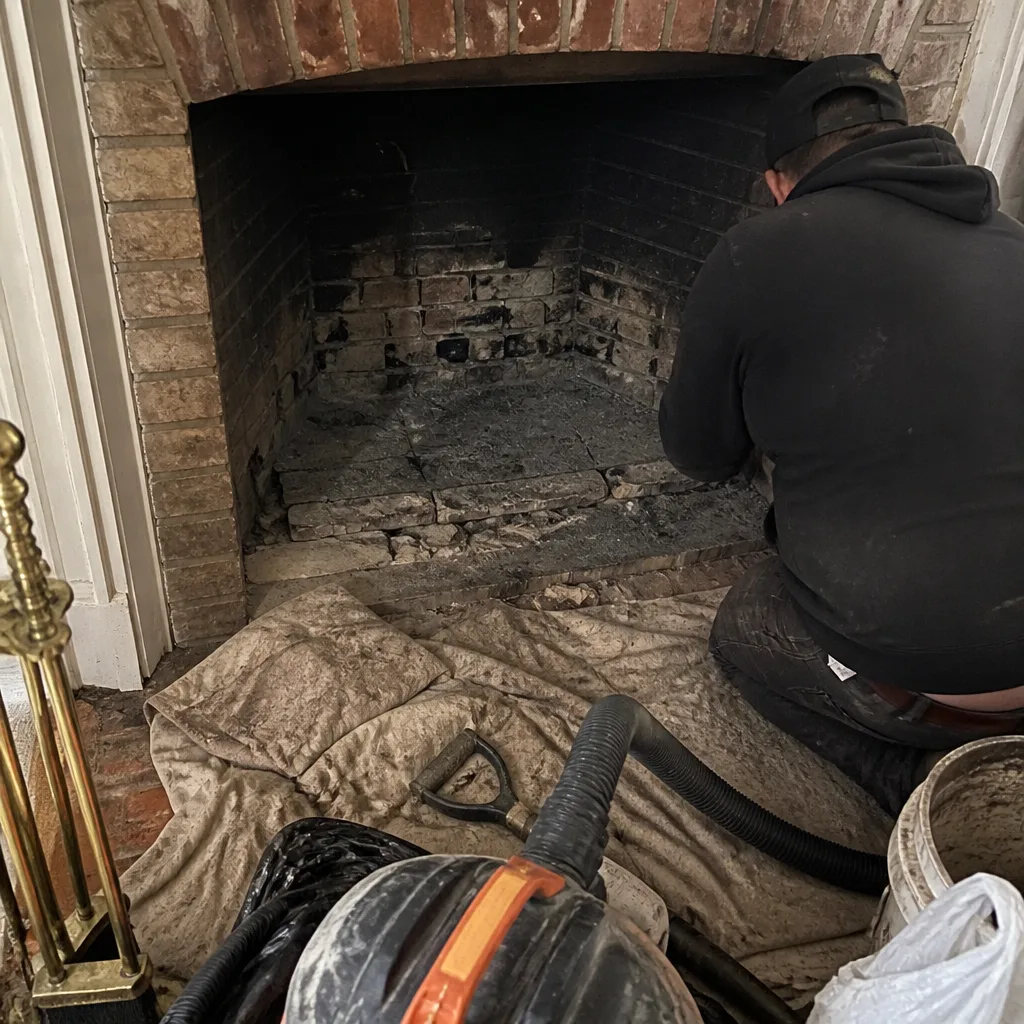 Before
 After
 Before
 After
When to Call a Professional
Some chimney problems announce themselves clearly: a strong smoky smell in the room when the fire isn’t burning, visible creosote glaze on the flue walls, water stains near the firebox, or a cap that’s come loose. Others are silent. In Pasadena’s mild climate, a chimney can look fine from the living room and still have a cracked flue tile or a failing crown. The right time to call is before you need to. We recommend booking an annual cleaning and Level 1 inspection so you always have a current picture of your chimney’s condition. If it’s been more than a couple of seasons, or you’ve never had the chimney looked at, book a visit now and start the record. Remington Chimney Sweep offers free estimates in Pasadena. Call (833) 334-7488. We answer 24/7. Fast dispatch from 7am to 7pm, Sunday through Friday.
Frequently Asked Questions
Chimney cleaning in Pasadena typically costs $180 to $350 for sweep only, $250 to $450 with a Level 1 inspection and written report, and $400 to $700 for sweep plus a Level 2 camera inspection. The final price is set per job by a written estimate. Call (833) 334-7488 for an exact quote. Estimates are free.
Only if the flue interior can’t be restored by other means. A cracked or deteriorated flue tile doesn’t automatically mean a full relining job. In many cases, HeatShield resurfacing can restore the interior of damaged flue tile without pulling the whole system out, which is a meaningful cost difference. Nothing should be recommended without camera evidence you can see for yourself, and we’ll tell you plainly when a repair can safely wait.
Most chimneys should be swept and inspected once a year, or more often if you burn frequently or notice creosote buildup during the season. In Pasadena, where fireplaces are often used intermittently, the annual visit doubles as your condition record. Call (833) 334-7488 to book a sweep. We answer 24/7. Fast dispatch from 7am to 7pm, Sunday through Friday.
Creosote accumulates and can ignite, which is the chimney fire risk, and small cracks in the flue can widen into repairs that would have been inexpensive if caught earlier. The honest version is that skipping it doesn’t guarantee a disaster, it just removes your ability to know. A professional sweep with a written report is the cheapest way to find out where your chimney actually stands.
Because they’re often not quotes for the same job. One may be a sweep only, another sweep plus inspection, and a third may include repairs quoted with named materials. The tier, the documentation, and the material specification account for most of the spread. Compare on scope, not just on the number at the bottom.
Routine chimney cleaning is maintenance and is generally paid out of pocket. Insurance typically addresses sudden and accidental damage, such as a chimney fire. We can work with your insurer, but we don’t decide coverage. A written inspection report is the document that helps you have that conversation either way.
The Bottom Line
Chimney cleaning cost in Pasadena is a scope question before it’s a price question. A sweep is $180 to $350. Add a Level 1 inspection and written report, and it’s $250 to $450. Add camera inspection, and it’s $400 to $700. What separates a legitimate quote from a cheap one is whether it names the tier, documents the findings in writing, and specifies the materials for any repair. A cheap sweep that misses a repairable problem is the most expensive kind, because the repair it skipped becomes a replacement later. We specify professional-grade materials on every job, and we handle your chimney start to finish: sweep, repair, and inspection in one company, with one point of contact from diagnosis through the finished work. Our technicians have up to 14 years of experience.
The Bottom Line
Compare chimney quotes on scope, not on sticker price. Ask three questions before booking: what tier is this, what will I receive in writing, and what materials will any repair use? A Pasadena homeowner who asks those three questions will rarely be surprised by the final invoice. Remington Chimney Sweep offers free estimates in Pasadena. Call (833) 334-7488 for a free estimate. We answer 24/7. Fast dispatch from 7am to 7pm, Sunday through Friday. We’re closed Saturday. For a closer look at the full range of services, see our chimney sweep page, our chimney repair page, and our service area page for Pasadena.
Written by the team at Remington Chimney Sweep.