
Last updated November 15, 2026
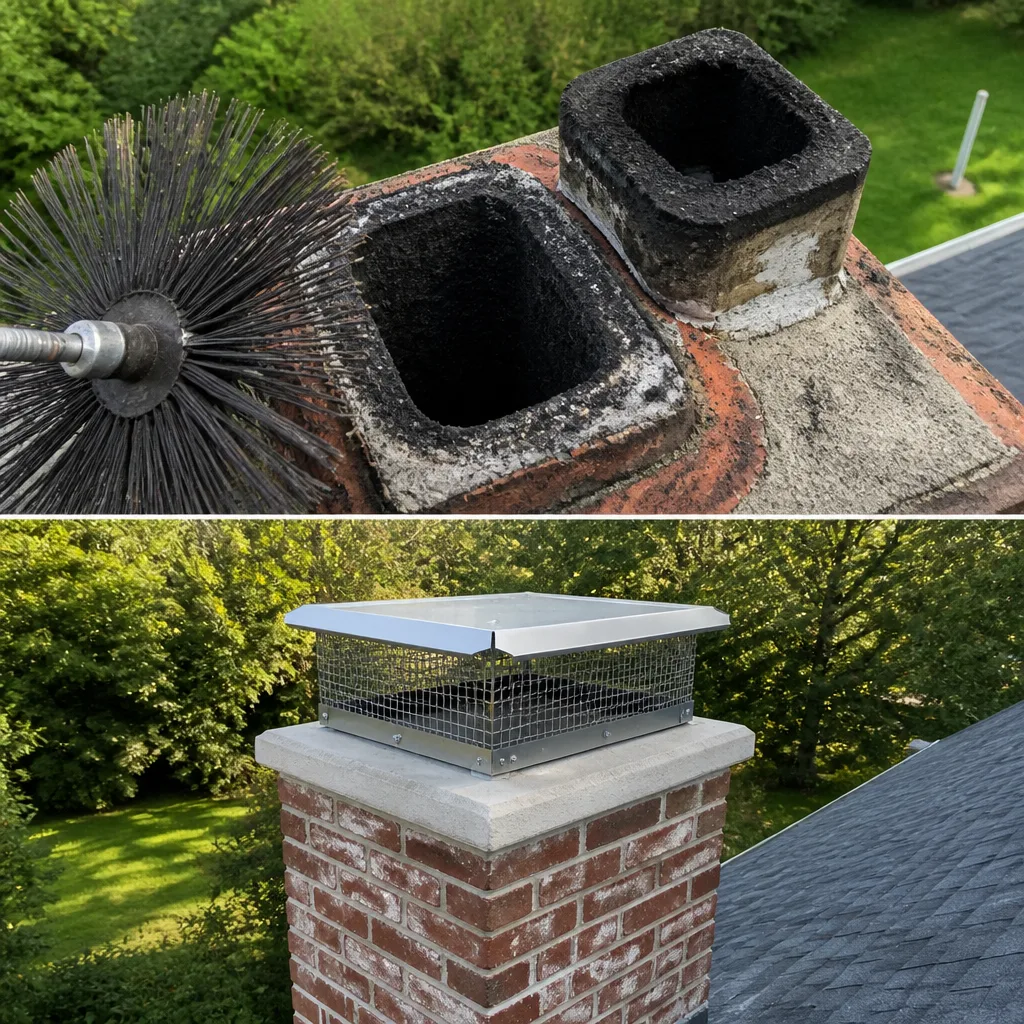 Sweep & inspection
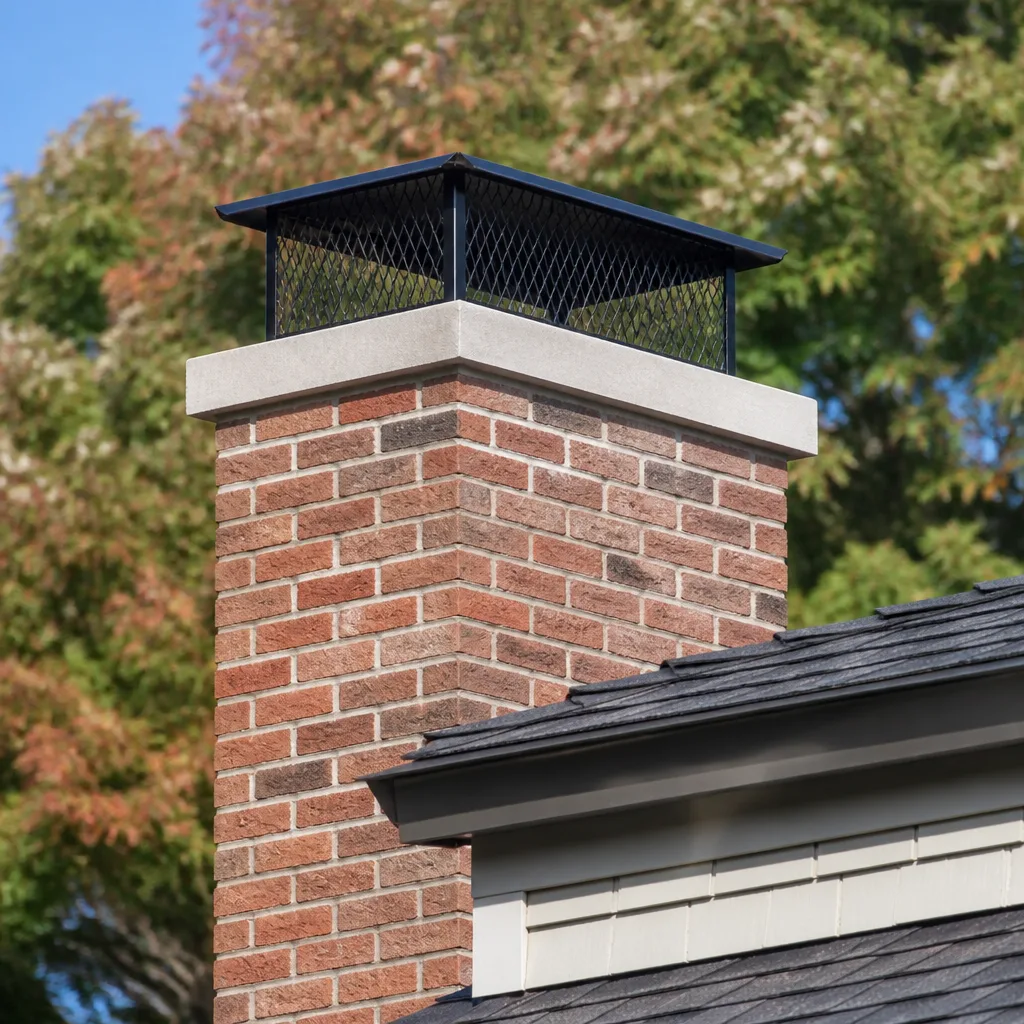 Caps & crowns
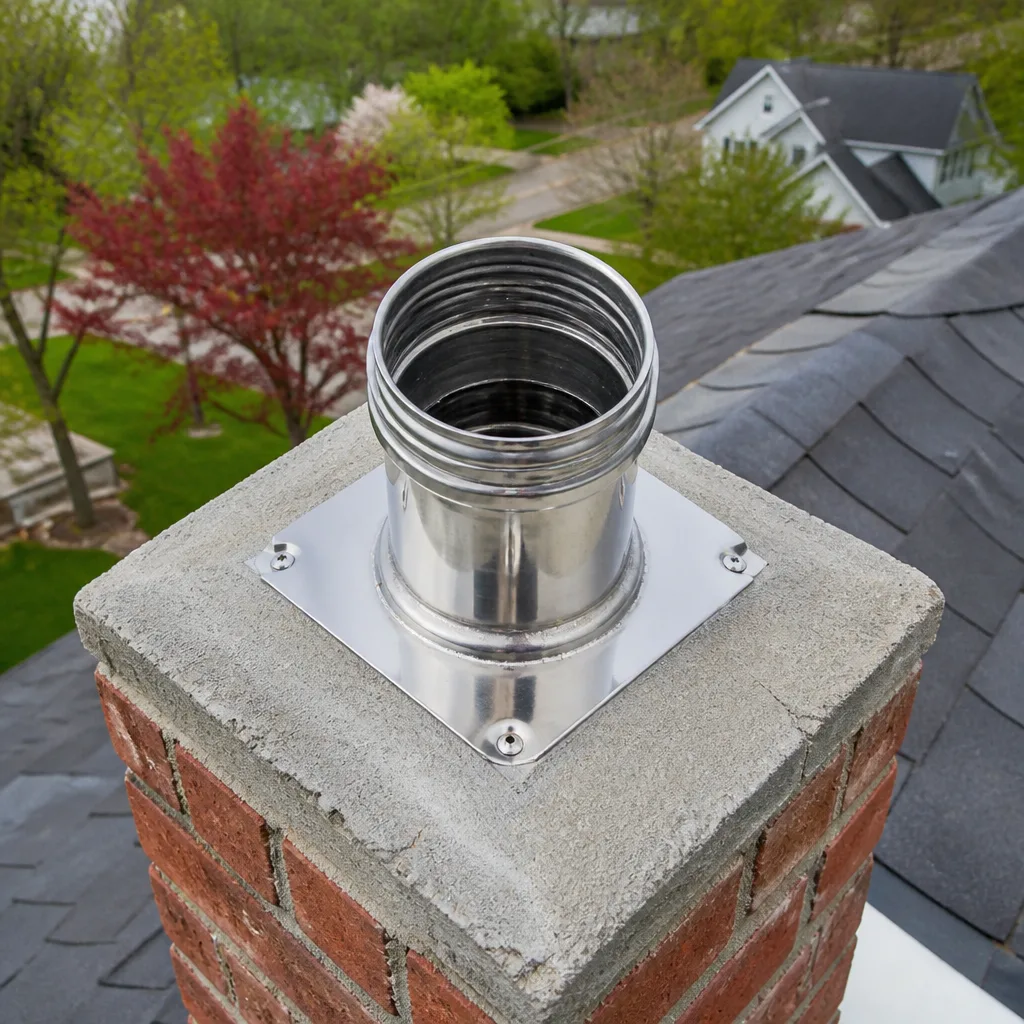 Flue relining
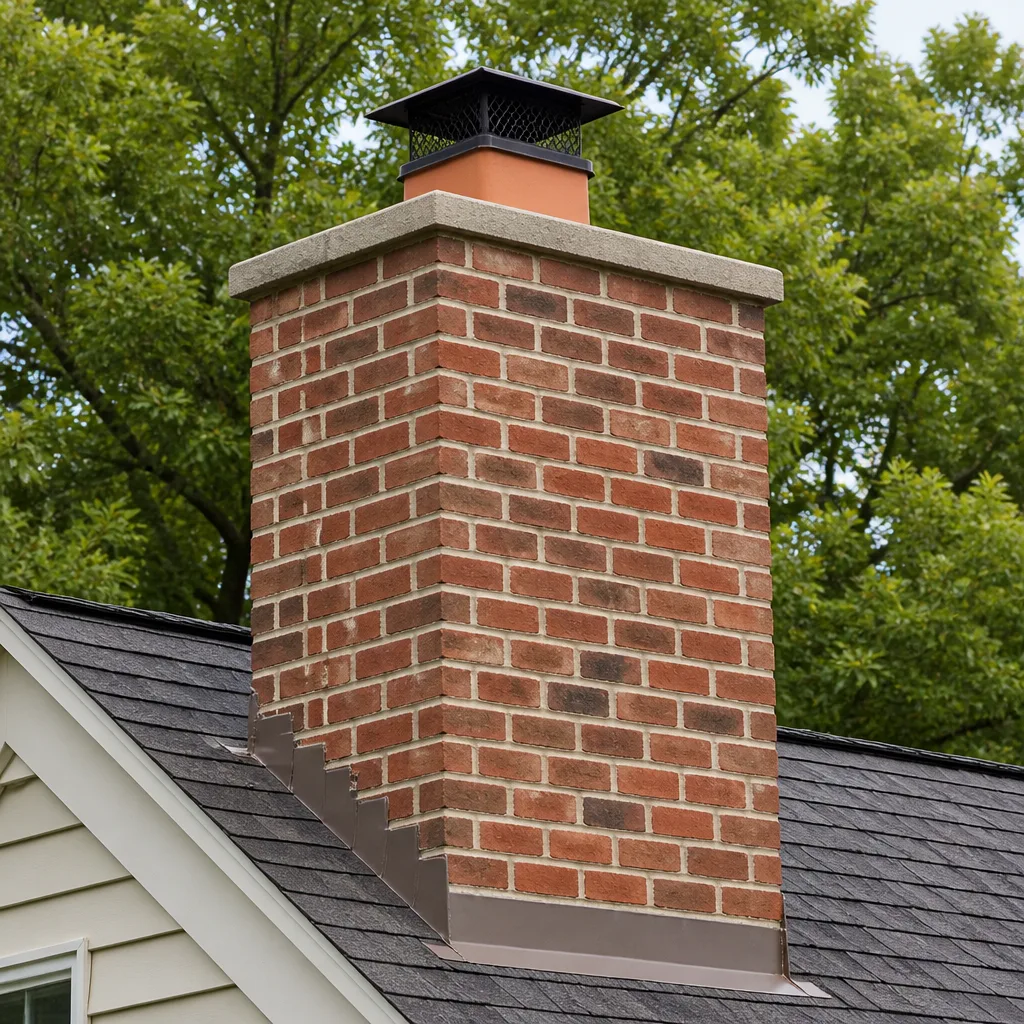 Masonry repair
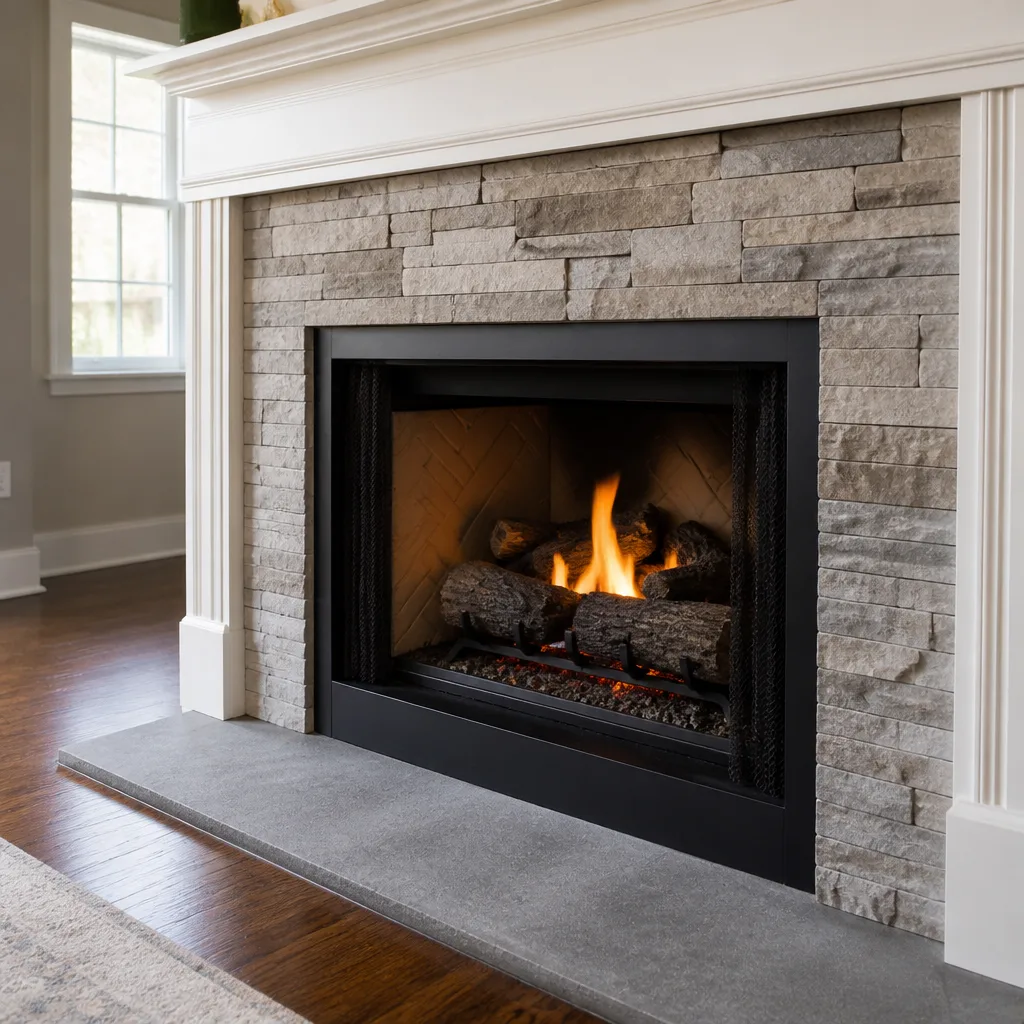 Gas fireplace service
Level 1 sweep and inspection to the NFPA 211 annual standard - flue, crown, cap, and flashing checked and photographed
Chimney sweep logs do not sweep chimneys. They loosen some creosote - which then falls where a brush and vacuum still have to collect it.
Chimney Cleaning Emergency Preparedness Guide for Pasadena Homes
Most homeowners treat chimney damage as something they’ll notice when it happens. In Pasadena, the more common pattern is quieter than that. A tropical system pushes through the Gulf, drops limbs and lifts shingles, and the chimney takes its own hits that nobody climbs up to check. Then the first cool front arrives in November, the family lights the first fire of the season, and a flue that took on water, debris, or a cracked crown over the summer goes straight into service untested. What follows is what we help Pasadena homeowners prevent. This guide covers what to check before that first fire, how to react to a chimney fire while it’s happening, how carbon monoxide risk changes in a climate where windows stay shut, what to document for insurance, and how to find real help when every contractor in the area is booked after a storm.
Quick Answer
Chimney emergency preparedness in Pasadena comes down to three things: inspect for hidden storm damage before the first fire of the season, know exactly what to do (and not do) if a chimney fire starts, and keep documentation ready for insurance if a storm event damages the system. The damage that causes the most trouble after a Gulf Coast storm is rarely visible from the ground, which is why a professional inspection before the first burn is the single most useful step a Pasadena homeowner can take.
Styles & brands we work with
- Sweep & inspection
- Caps & crowns
- Flue relining
- Masonry repair
- Gas fireplace service
Table of Contents
- Why Gulf Coast Storms Hit Chimneys Harder Than They Look
- The Post-Storm Chimney Inspection Protocol for Pasadena
- How to Manage a Chimney Fire in Progress
- Carbon Monoxide Risk in a Closed-Window Climate
- What to Document for Insurance After Storm Damage
- Finding Legitimate Chimney Service After a Major Storm
- Building a Chimney Emergency Preparedness Kit
- Preparing for the First Fire of the Season
Why Gulf Coast Storms Hit Chimneys Harder Than They Look
A chimney is a tall, exposed, hollow structure that catches wind from every direction. In a tropical system, wind-driven rain doesn’t just fall on the chimney; it’s forced sideways into the flue, under the cap, and into the masonry joints. That’s the first thing most homeowners miss. From the yard, the chimney looks fine. What’s happening inside is a slow soaking of brick, mortar, and flue tile that won’t fully dry for weeks in Pasadena’s humid late-summer air.
The second problem is debris. Hurricane-force winds throw leaves, twigs, shingle grit, and sometimes larger limbs into the flue opening. If the cap is damaged or missing, that debris ends up inside the chimney, and the flue is now partially blocked before anyone has lit a match. A blocked flue can’t draft properly, and a flue that can’t draft pushes smoke and carbon monoxide back into the living space.
The third problem is the exterior chimney system itself. Crowns crack. Caps lift. Flashing pulls away from the roofline. Each of these is small on its own and all of them together mean water gets in where it shouldn’t. In a Pasadena summer, where the air conditioning runs for months and the attic stays warm, moisture trapped in a chimney can quietly weaken mortar over the season. You won’t feel it. You won’t see it from the driveway.
This is why the chimney belongs on the same post-storm checklist as the roof and the fence. A roofer looks at shingles. A chimney professional looks at the flue, the crown, the cap, the flashing, and the firebox. Different system, different failure points, and only one of them can fill a house with smoke and carbon monoxide on the first cold night if it goes unnoticed.
The Post-Storm Chimney Inspection Protocol for Pasadena
Before you light the first fire after any tropical weather event in Pasadena, run through this check. Some of it you can do safely from the ground. The rest belongs to a professional, and we’ll explain which is which.
- Look from the ground first. From the yard, check for missing or tilted caps, visible cracks in the crown, pulled flashing at the roofline, and any leaning or displaced bricks. Don’t climb onto a wet roof to do this. Ground-level observation catches obvious damage without putting anyone at risk.
- Shine a light into the firebox. Open the damper and look up with a strong flashlight. You’re checking for visible daylight, which means an obstruction or a serious crack, and for any debris that fell down the flue. If you see daylight where you shouldn’t, stop and call a professional before lighting anything.
- Smell for the obvious signs. A strong creosote smell, a musty odor, or any smell of damp masonry means the system has taken on water. That’s a professional call.
- Test the smoke draw with a small, safe test. Light a single rolled newspaper and hold it near the open damper with the firebox door open. If the smoke rolls back into the room rather than drawing up the flue, the chimney isn’t drafting and should not be used until it’s inspected.
- Schedule a professional inspection before the first fire. A camera inspection lets a technician see the entire flue interior, the smoke chamber, the damper, and the firebox, and it also gives you a written record of the chimney’s condition. That record matters if there turns out to be storm damage.
Steps one through four are things any careful homeowner can do safely from inside the house. Step five is where we come in, and it’s the step that actually tells you whether the chimney is safe to use. Our chimney sweep service in Pasadena includes a camera inspection and a photo report so you can see exactly what we see.
How to Manage a Chimney Fire in Progress
A chimney fire is not always the roaring, roaring-burning, roaring-loud event people picture. Some chimney fires are slow and quiet, burning low in the flue for hours. Others are dramatic and unmistakable: a sound like a low-flying jet, a vibration you can feel through the floor, flames or dense smoke shooting from the top of the chimney. Both kinds are serious. Here’s what to do in the moment, and what to do afterward.
If you suspect a chimney fire
- Get everyone out of the house and call 911. A chimney fire can spread into the structure faster than you’d expect. Fire department response is the priority, not the fireplace.
- Close the firebox door or glass doors if you can do so safely, and close the damper only after the fire is out. Closing the firebox starves the fire of oxygen. Starving it of air from the room is safer than leaving it open.
- Don’t throw water on it. Water on a hot flue can crack masonry and flue tile and create a steam explosion risk. This is not a DIY fire.
- Don’t use the fireplace again until it’s inspected. Even a small chimney fire can crack flue tile, warp a damper, or damage a liner. The system is off-limits until a professional has looked at it with a camera.
- Watch for smoke or heat coming through walls or the roof and tell the fire department when they arrive. That’s the sign the fire has left the chimney and entered the structure.
After the fire is out, the work isn’t done. A chimney fire damages the flue in ways you cannot see from the firebox, and using the chimney again before it’s inspected risks a second fire or carbon monoxide leaking into the home. Our chimney repair service in Pasadena begins with a camera inspection, and we’ll tell you plainly whether the flue is safe, what needs repair, and what can wait.
Carbon Monoxide Risk in a Closed-Window Climate
Carbon monoxide is a colorless, odorless gas, and a chimney is the primary way it leaves a house that has a wood-burning fireplace or insert. When the flue drafts correctly, CO goes up and out. When the flue is blocked, cracked, or damaged, CO goes into the room instead. That’s a risk in any climate. In Pasadena, it’s a bigger one because the house is closed up for air conditioning through the hottest months and closed up again for heating once the first cool fronts arrive.
Here’s the specific scenario. A storm damages the flue in August. The house stays sealed against the heat through September and October. The first cool night in November, someone lights a fire in a fireplace they haven’t used since last winter. The flue has a partial blockage from storm debris, or a cracked tile that lets exhaust into the wall cavity. Nothing warns anyone until a CO detector goes off, or worse, until it doesn’t because there isn’t one on that floor.
Three things make a real difference:
- CO detectors on every level of the home, including near sleeping areas. Test them at the start of every heating season, and replace batteries on a schedule you’ll actually remember.
- A professional camera inspection before the first fire of the season, especially after a storm. A cracked flue tile or a debris-blocked flue is exactly the kind of problem a camera catches and a visual glance does not.
- Don’t ignore a CO alarm. Get everyone out, call 911, and don’t re-enter until the fire department clears the home. Then call a chimney professional to find out why.
For Pasadena homes with a wood-burning insert, the risk is compounded because inserts often have their own liner and their own specific clearances. We check all of it in one visit. That’s the value of a full-service sweep, repair, and inspection capability under one company: nothing gets handed off, and nothing gets missed between contractors.
What to Document for Insurance After Storm Damage
Storm-related chimney damage is covered by most homeowners policies, but the claim only succeeds if the damage is documented the way the adjuster needs to see it. Here’s what to capture, and when.
- Photograph everything before anything gets cleaned up. Ground-level photos of the chimney from multiple angles, close-ups of the crown, cap, and flashing, and photos of any debris or water inside the firebox. Take more than feels necessary.
- Write down the date and time of the storm and the date and time you noticed the damage. Insurance adjusters care about timelines.
- Keep a written record of any interior damage. Water stains on the ceiling near the chimney, dampness in the firebox, smoke odor after a storm: all of it goes in the record, with photos.
- Get a professional inspection report. A camera inspection with a written report and photos is the single strongest piece of documentation you can hand an adjuster, because it explains what’s damaged and why it matters, in language an insurance professional understands.
- Don’t repair before you document. Once the damaged components are replaced, the evidence is gone. Inspect first, document second, repair third.
We provide inspection reports with photos as part of our service, and those reports are written to be useful to homeowners, adjusters, and contractors alike. If the storm damage is real, the documentation helps the claim. If it isn’t, the report tells you so, and you save the claim for something that actually needs it.
Finding Legitimate Chimney Service After a Major Storm
After a major storm in the Pasadena area, every contractor in the region is booked for weeks. That’s when the wrong people show up: out-of-town crews with no local reputation, “inspectors” who find thousands of dollars of work no matter what your chimney looks like, and companies that want a deposit before they’ll schedule anything. Here’s how to separate legitimate service from the rest.
- Ask what brands they specify. A chimney professional who works with DuraFlex liner systems, HeatShield resurfacing, Famco caps, and Copperfield components is working with materials the industry actually specifies. If the answer is vague, keep asking around.
- Ask for a camera inspection with photos. Any legitimate inspection includes photos you can see, not just a verbal report. If a company won’t show you what’s inside your own flue, that’s the whole ballgame right there.
- Ask for the estimate in writing, per job. The written estimate sets the final price. Be wary of anyone who quotes over the phone before looking at the chimney, and be wary of anyone who quotes a price after looking at it but won’t put it in writing.
- Ask what can wait. A trustworthy chimney professional will tell you plainly when work can safely wait until the fall rush is over. If every answer sounds urgent, that’s a sales pattern, not a diagnosis.
- Confirm the company is insured and licensed, and ask for the certificate. Storm-chasing crews often aren’t. This is the fastest filter there is.
Our approach in Pasadena is the simple version: we inspect with a camera, we show you the photos, we tell you what your chimney needs and what it doesn’t, and we put the price in writing before booking. Call (833) 334-7488. We answer 24/7. Fast dispatch from 7am to 7pm, Sunday through Friday.
Building a Chimney Emergency Preparedness Kit
Every Pasadena home with a working fireplace should have a small dedicated kit near the hearth. None of it is expensive and all of it is useful when something goes wrong.
- A working flashlight with fresh batteries, kept where you can find it without turning on the lights.
- A CO detector on every level, tested at the start of every heating season.
- A fire extinguisher rated for wood and class A fires, mounted near the fireplace and checked annually.
- A fireproof hearth mat and a metal ash bucket with a lid, so hot ash never sits in a plastic bin.
- A printed copy of your chimney professional’s phone number, a note with the last inspection date, and any past inspection reports. If something happens, you want to find it in one place, not scroll through email.
- Photos of the chimney from ground level, saved to your phone, so you can compare after a storm and show an adjuster what changed.
We know that sounds like a low bar for a “preparedness kit.” It is. Emergencies are managed with the things you already have ready, not with the things you thought about buying. A flashlight, a CO detector, a fire extinguisher, and the phone number for a professional who answers the phone are the whole plan.
Preparing for the First Fire of the Season
The first fire of the season is the annual test of everything above. In Pasadena, that fire usually comes after a long, hot summer and, in a Gulf Coast year, after a storm season that’s already left its mark. Here’s the sequence we recommend every fall.
- Schedule the inspection before the first cool front, not after. The fall rush fills schedules quickly, and a swept, inspected chimney before the first fire means the first fire is a pleasure, not a test.
- Have the chimney swept if it’s due, and inspected regardless. A cleaning removes the creosote and debris that a camera inspection would otherwise miss. An inspection tells you what the chimney’s condition actually is. Both belong in the same visit.
- Check your CO detectors and smoke detectors the same week. This is the one annual task that pays off in a real emergency more than any other.
- Use properly seasoned firewood and don’t overload the firebox. Wet wood and oversized fires are the two most common causes of the flue-cracking temperatures that chimney fires produce.
- Never burn paper, cardboard, or trash. It smells, it produces more creosote than wood, and it’s a common reason for a flue fire in a fireplace that was fine a week earlier.
If you take one thing from this guide, take this: an inspected chimney is a prepared chimney, and a prepared chimney is one that isn’t going to surprise you on the first cold night of the year. In a Pasadena home where the fireplace gets real use, that inspection belongs on the fall calendar the same way the AC tune-up belongs in the spring.
Common Mistakes to Avoid
- Assuming the chimney is fine because the house is fine. Chimney damage after a storm doesn’t announce itself in the living room. It waits until the first fire and shows up as smoke, a CO alarm, or a flue fire.
- Lighting a fire before an inspection because the chimney “drew fine last year.” Last year’s chimney is not this year’s chimney. Storm damage, settling, and creosote buildup all happen between one season and the next.
- Letting a storm-chasing crew on the roof with no written estimate. After a Gulf Coast event, out-of-town crews flood the Pasadena area. Ask for insurance and licensing, get the estimate in writing, and don’t hand over a deposit before any of that.
- Throwing water down a burning chimney. Water on a hot flue can crack the tile and create a steam explosion risk. Call 911 and get out. That’s the whole response.
- Using the fireplace again right after a small fire without an inspection. A small chimney fire can crack flue tile that looks intact from the firebox. The system is off-limits until a camera inspection clears it.
- Skipping the CO detector because the fireplace “seems to work.” Carbon monoxide has no smell, so “seems to work” is not a CO test. A detector on every level is a cheap, non-negotiable safety step in a climate where windows stay closed.
- Letting a salesperson talk you into a full reline without seeing the photos. If the flue needs a liner, you should be looking at the same camera images the technician is. If the flue can be resurfaced instead, HeatShield is a repair-grade option that avoids a full reline. The photos should drive the decision, not the sales pitch.
See the difference
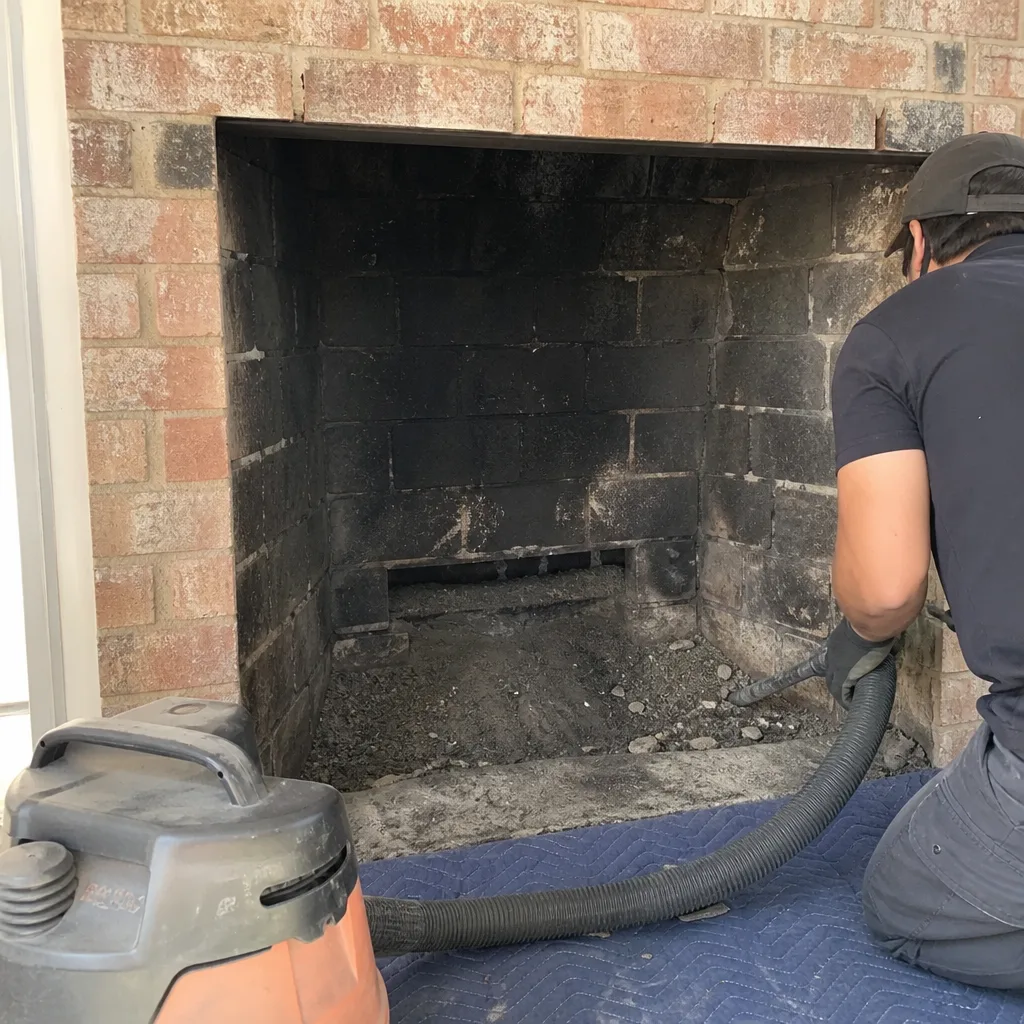 Before
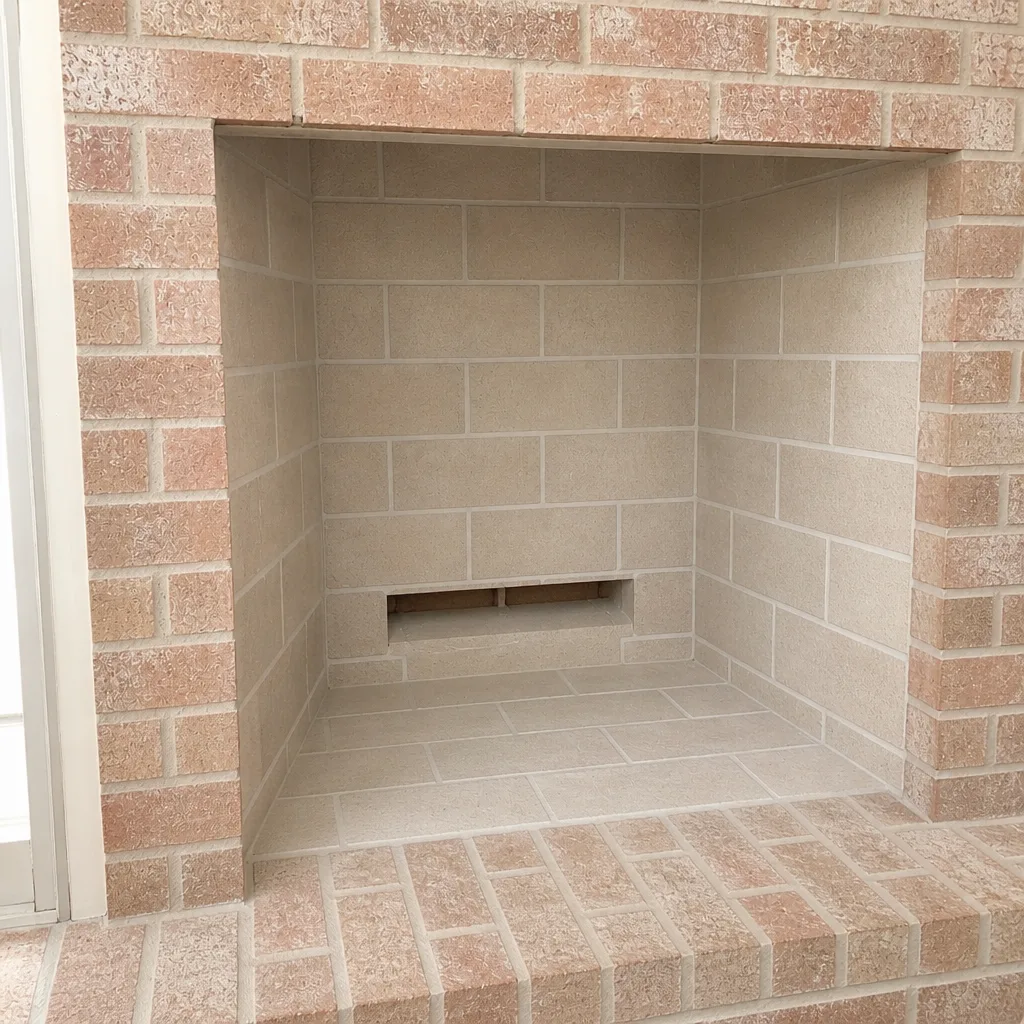 After
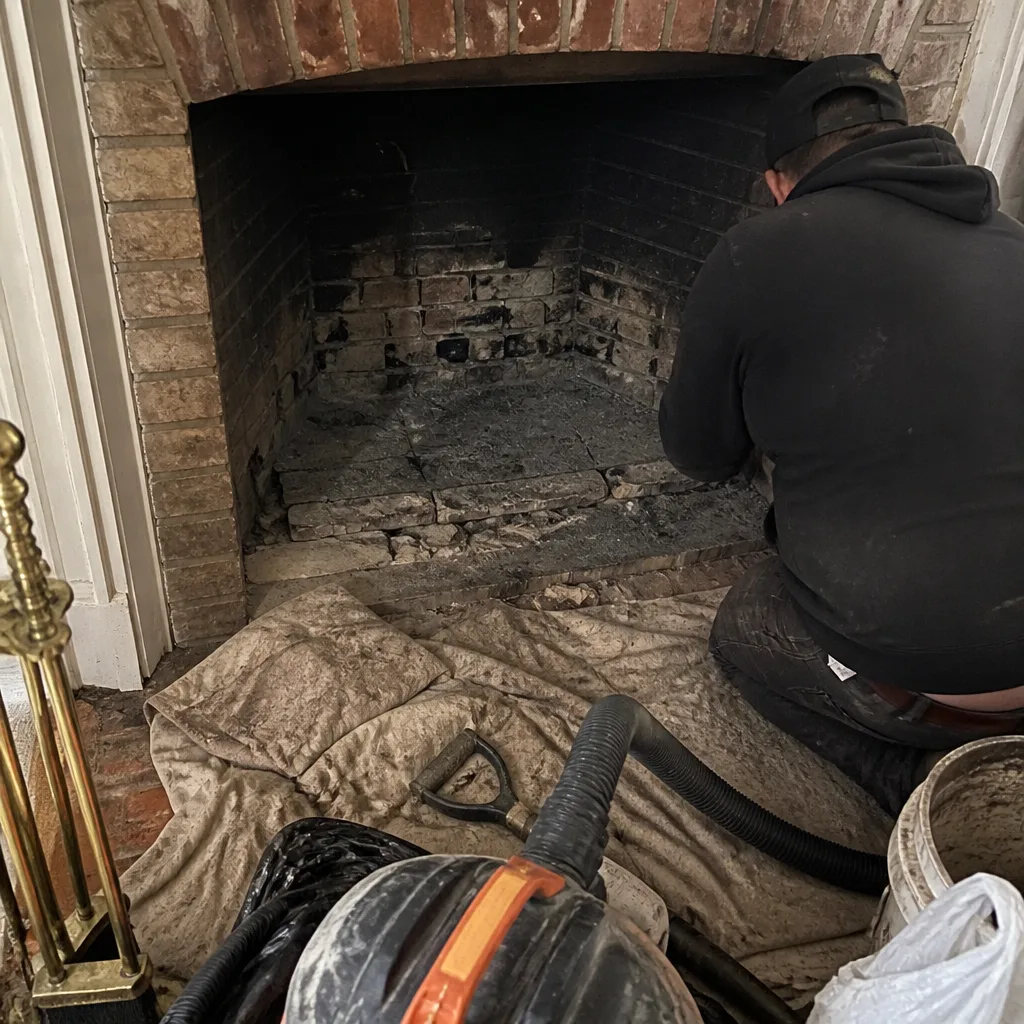 Before
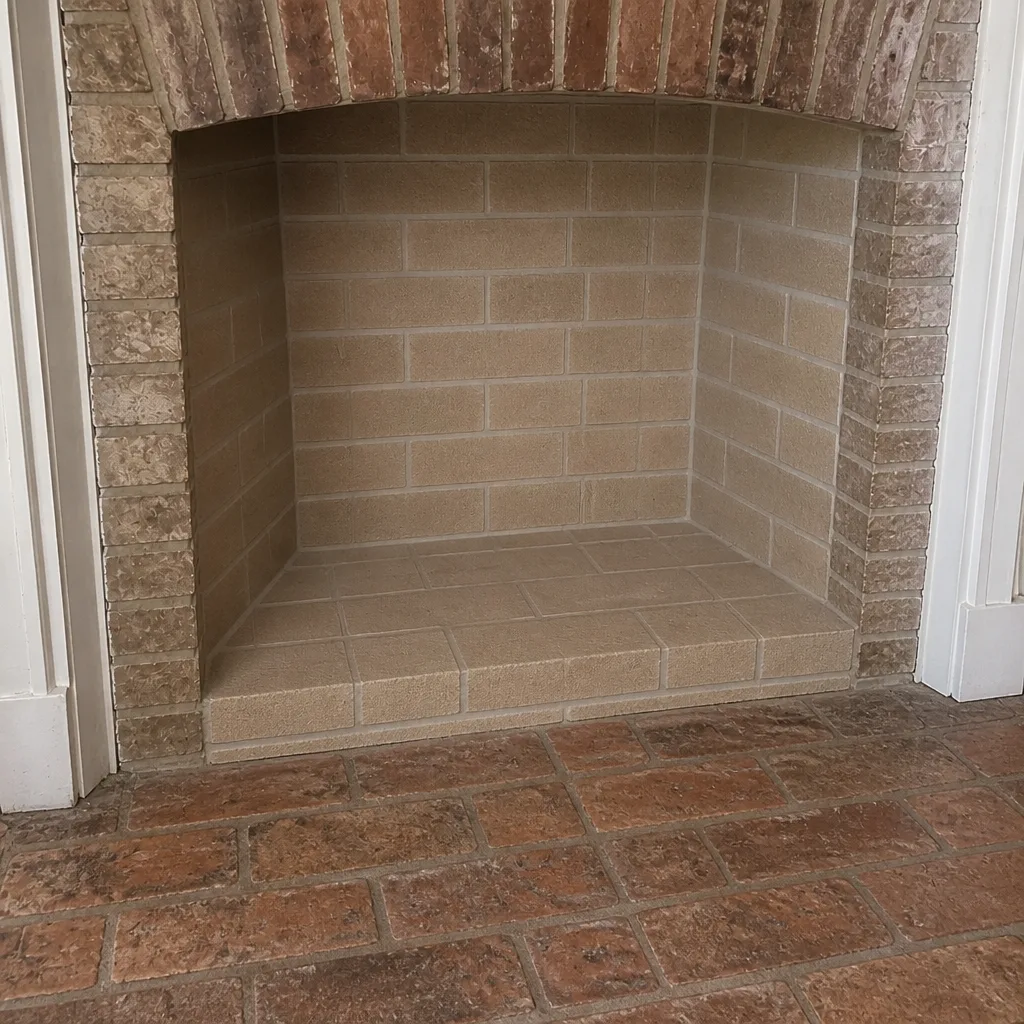 After
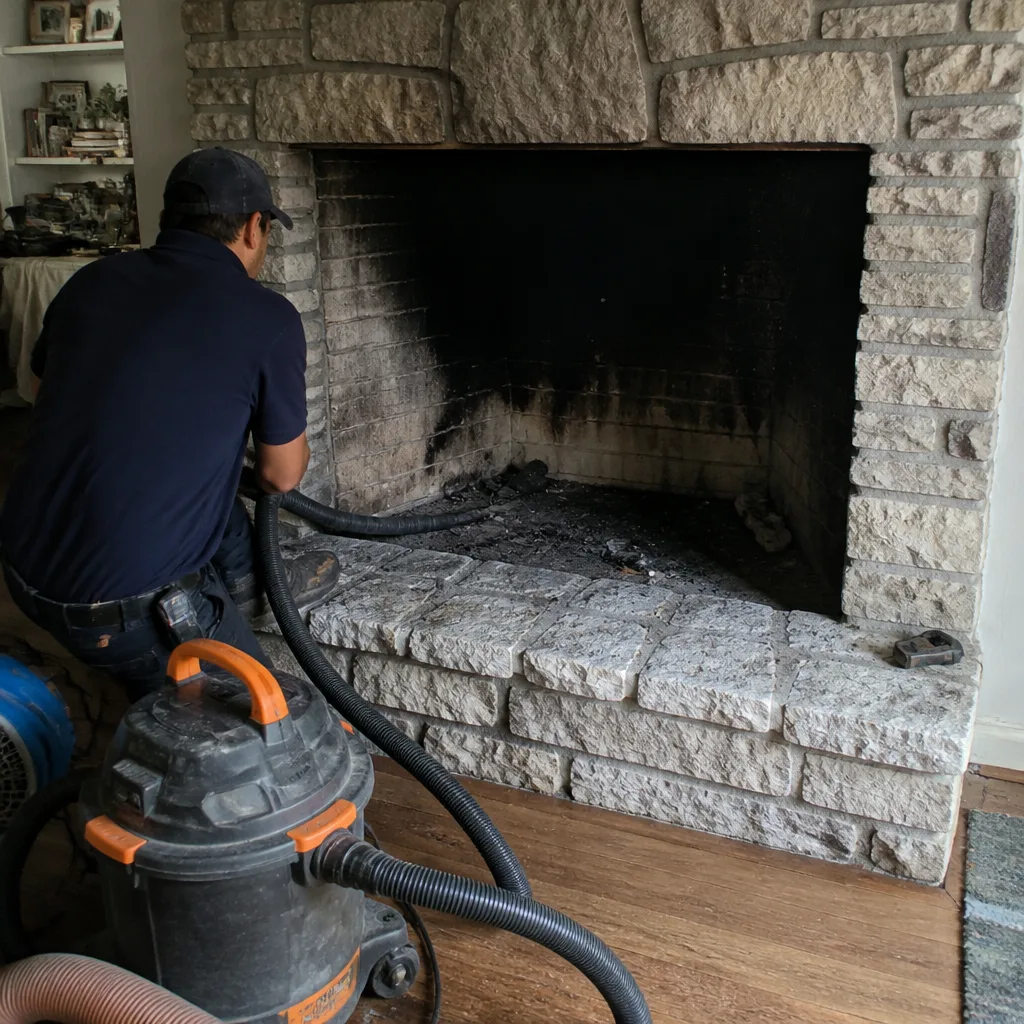 Before
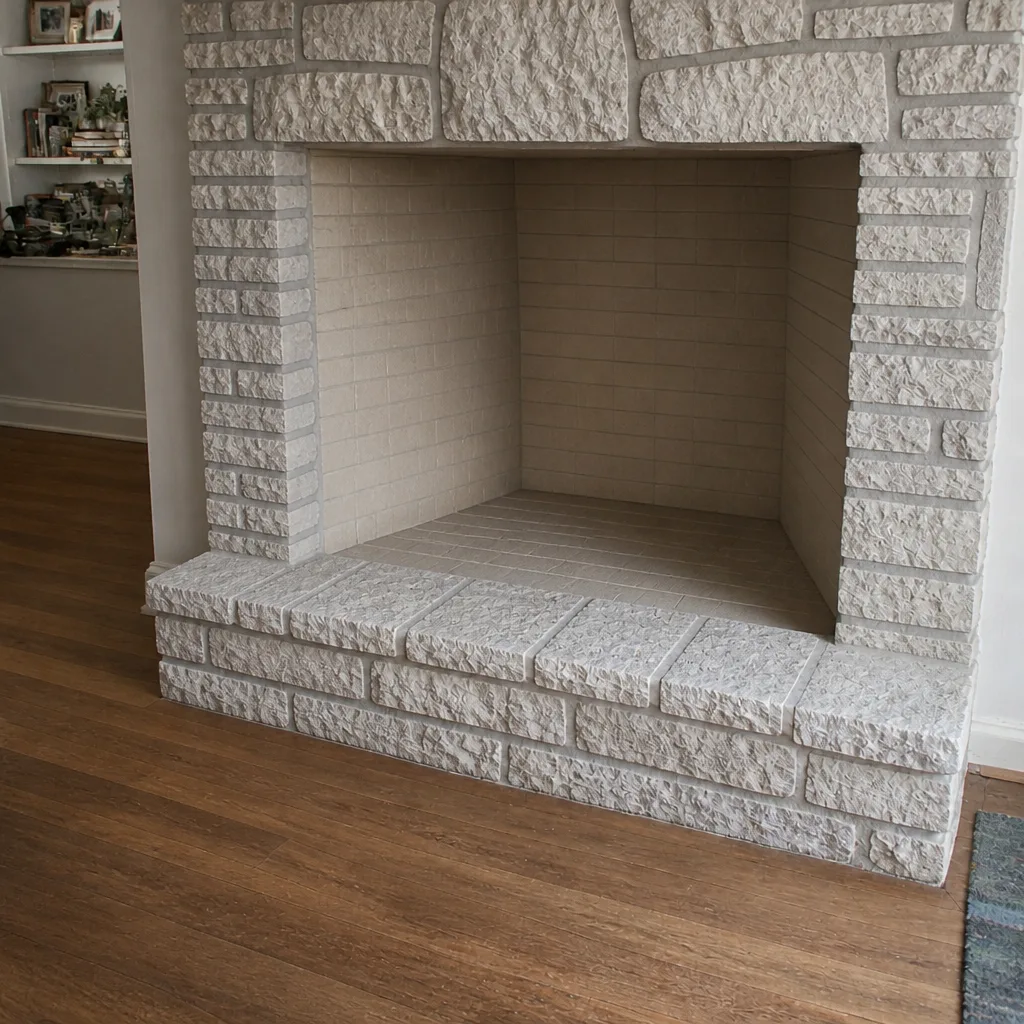 After
When to Call a Professional
Some chimney problems are worth a careful look from the homeowner. Others are a phone call. Call us if any of these apply: the chimney took damage in a storm and hasn’t been inspected since; the fireplace smokes back into the room when you light a fire; you’ve had a chimney fire, no matter how small; a CO detector has gone off in the house; the chimney has visible cracks in the crown, a lifted cap, or pulled flashing; the flue hasn’t been swept within the last year of regular use; or you’re buying, selling, or moving into a Pasadena home and don’t know the chimney’s history. A professional camera inspection is fast, it isn’t expensive, and it gives you the one thing a chimney emergency never does: warning before it happens. Remington Chimney Sweep offers free estimates in Pasadena. Call (833) 334-7488.
Frequently Asked Questions
Check from the ground for missing or tilted caps, cracks in the crown, pulled flashing, and any leaning or displaced bricks, then look up the flue from the firebox with a flashlight for daylight or debris. Anything visible from the ground or the firebox is a professional call before the first fire of the season. The damage that matters most is inside the flue, and that’s what a camera inspection finds.
Most fireplaces should be swept and inspected once a year, and a wood-burning insert the same. If the fireplace sees heavy use through the winter, or the chimney took storm damage, an inspection before the first fire of the season is the schedule we recommend. Call (833) 334-7488. We answer 24/7. Fast dispatch from 7am to 7pm, Sunday through Friday.
Get everyone out of the house and call 911. Don’t throw water on the fire, and don’t use the fireplace again until a professional has inspected the flue with a camera. Even a small chimney fire can crack the flue tile and turn a manageable situation into a carbon monoxide problem.
Yes. A cracked or blocked flue can push carbon monoxide into the living space instead of up and out. In Pasadena, where windows stay closed for air conditioning through the hot months, there’s no natural cross-draft to help. A CO detector on every level plus a camera inspection before the heating season is the working plan.
Photograph the chimney from multiple angles, capture close-ups of the crown, cap, and flashing, note the date and time of the storm and when you noticed the damage, keep a written record of any interior water damage, and get a professional inspection report with photos. Don’t repair before you document. The camera report is the single most useful piece of evidence an adjuster can receive.
Ask three questions: what brands they specify (DuraFlex, HeatShield, Famco, and Copperfield are the ones chimney professionals actually use), whether the inspection includes photos you can see, and whether the estimate is in writing per job. Be wary of anyone quoting over the phone before looking, and of anyone who tells you a full reline is the only option before you’ve seen the camera photos. Call (833) 334-7488 for a free estimate in Pasadena.
The Bottom Line
A chimney emergency almost always starts as a quiet problem: water in the flue after a storm, a crack in the crown, a partial blockage that you can’t see from the yard. The single best defense is a professional inspection before the first fire of the season, and in Pasadena that’s especially true after a Gulf Coast storm. Add a working CO detector on every level, know what to do if a chimney fire starts, document storm damage before any repair, and keep a small preparedness kit near the hearth. That’s the whole plan, and it works. Remington Chimney Sweep offers sweep, repair, and inspection as one service from one company, with professional-grade brands including DuraFlex, HeatShield, Famco, and Copperfield specified on every job. We’ll tell you what your chimney needs and what it doesn’t. Explore our Pasadena service area or visit Remington Chimney Sweep to schedule. Call (833) 334-7488 for a free estimate. We answer 24/7. Fast dispatch from 7am to 7pm, Sunday through Friday.
Written by the team at Remington Chimney Sweep.