
Last updated November 15, 2026
 Sweep & inspection
 Caps & crowns
 Flue relining
 Masonry repair
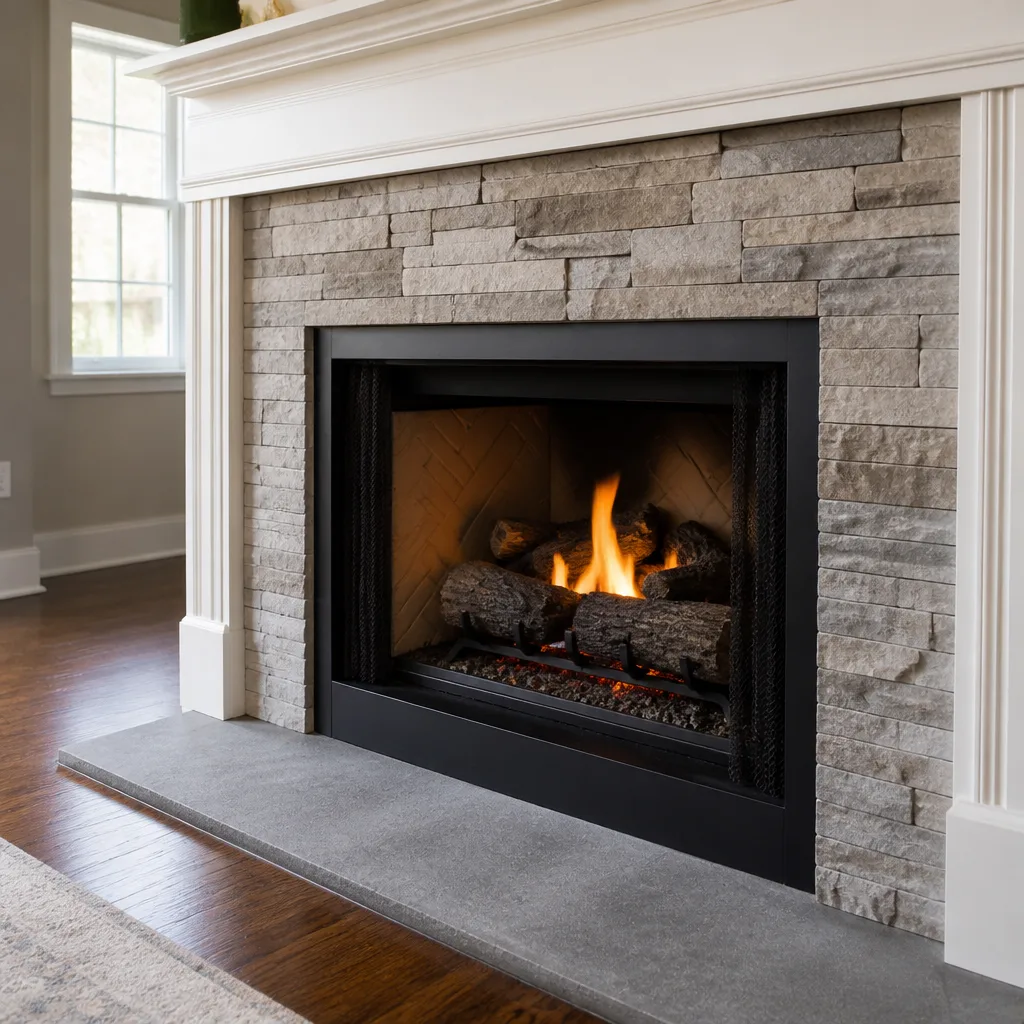 Gas fireplace service
Level 1 sweep and inspection to the NFPA 211 annual standard - flue, crown, cap, and flashing checked and photographed
Chimney sweep logs do not sweep chimneys. They loosen some creosote - which then falls where a brush and vacuum still have to collect it.
DIY vs Professional Chimney Cleaning: The Pasadena Homeowner’s Decision Guide
Chimney brushes hang on the shelf at every hardware store around Pasadena, and plenty of capable homeowners use them well. But the brush is maybe 20% of what a professional visit actually accomplishes. The other 80% is evaluation: reading the flue, checking the smoke chamber, spotting the early signs of moisture damage before they become structural repairs. That assessment gap is where DIY cleaning quietly falls short, and here in a humid Gulf Coast climate it matters more than it would in a drier part of the country. This guide walks through what you can legitimately handle yourself, what genuinely needs professional equipment and training, and how to tell the difference before you buy a brush.
Quick Answer
You can safely handle light maintenance yourself – sweeping ash from the firebox, wiping down the damper, checking that the cap and spark screen are intact. Actual flue cleaning, camera-based liner inspection, and any assessment of structural cracks or coating failure should be done by a trained professional. In Pasadena’s humid climate, moisture intrusion and storm damage make a professional inspection more valuable than it would be in a dry region, because the problems that form here often hide behind the creosote a brush can reach.
Styles & brands we work with
- Sweep & inspection
- Caps & crowns
- Flue relining
- Masonry repair
- Gas fireplace service
Table of Contents
- What You Can Legitimately Do Yourself
- What Requires Professional Equipment and Training
- The Gulf Coast Factor: Why Pasadena Chimneys Age Differently
- The Brush vs. The Evaluation: What a Professional Visit Actually Includes
- The Insurance and Liability Reality of DIY Cleaning
- How to Use DIY Maintenance Between Professional Visits
- How Often Should a Pasadena Chimney Be Swept?
- How to Choose a Chimney Professional in Pasadena
What You Can Legitimately Do Yourself
There’s real value in the tasks a homeowner can handle, and we’d rather you do them than skip them entirely. The key is staying in the shallow end. Anything that involves reaching into the flue, removing components, or making a judgment call about whether a crack is structural belongs to someone with the right equipment and the training to read what they find.
Here’s the list of work that stays firmly on the homeowner side of the line:
- Firebox sweeping. Once the firebox has cooled completely, a stiff brush and a shop vacuum will clear ash and small debris from the floor. This keeps airflow moving and reduces the mess on the next burn.
- Damper lubrication. A few drops of high-temperature graphite or silicone lubricant on the damper pivot points keeps it moving freely. A damper that sticks open wastes heat; one that sticks closed sends smoke into the room.
- Cap and screen visual check. From the ground with binoculars, or from a safe ladder position if you’re comfortable, confirm the cap is seated, the screen is intact, and there’s no visible rust-through or bird-nesting material packed inside.
- Ash disposal. Ashes should go into a metal container with a tight lid, stored away from the house until fully cold. Never vacuum warm ash into a household vacuum.
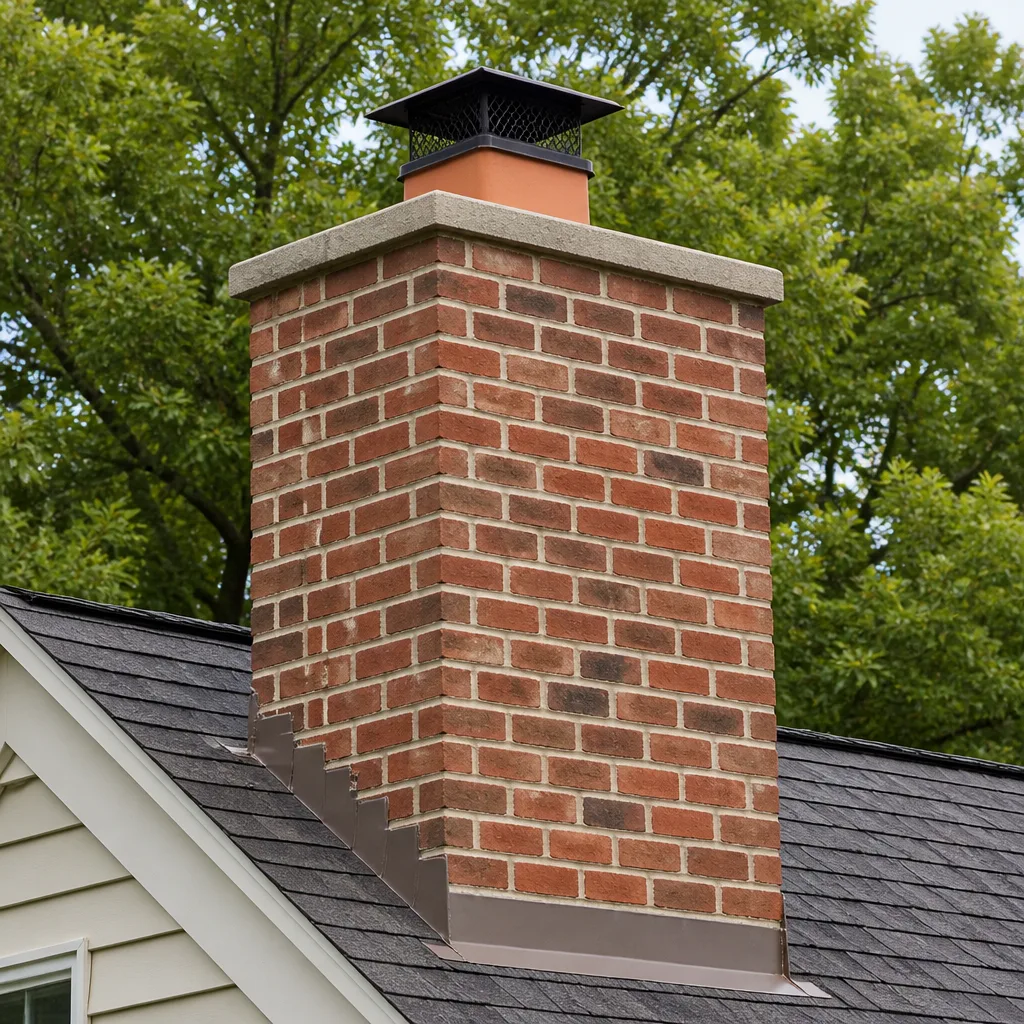
- Exterior visual scan. Look at the crown, the flashing, and the brickwork from the ground. Note anything that looks newly cracked, stained, or displaced, and mention it when you call.
None of that requires a truck or a certification. All of it helps. But notice what’s missing: there’s no flue cleaning on that list, and no inspection of the liner. Those two tasks are where the real value sits, and they’re the two a homeowner can’t do properly without the equipment. Our chimney sweep service exists precisely because that gap is the one that matters.
One safety note worth stating plainly: if you ever see shiny, glazed creosote on the firebox walls or smell a strong tar-like odor, stop burning and call for an assessment. Glazed creosote is the type that fuels chimney fires, and no brush a homeowner owns will remove it. That’s a job for a rotary system and a trained eye.
What Requires Professional Equipment and Training
Three categories of work genuinely need professional hands: liner inspection with a camera, smoke chamber coating evaluation, and structural crack assessment. Each of these requires equipment and training a homeowner doesn’t reasonably have, and each has consequences when skipped.
Liner inspection
A proper liner inspection uses a camera run down the flue to look at the interior of every tile joint. You can’t see those joints from the firebox, and you can’t see them with a flashlight from the top. The camera shows gaps, spalling, and coating failure that would otherwise stay invisible until they became a problem. Our technicians have up to 14 years of experience reading those images, and we’ll show you what we found so you’re not taking our word for it.
Smoke chamber coating evaluation
The smoke chamber is the sloped area directly above the damper. It’s a rough, corbelled surface that collects creosote and, over time, can develop cracks in the refractory coating. HeatShield is a repair-grade product we use for resurfacing that chamber, restoring a damaged surface without a full reline. Evaluating whether your smoke chamber needs that treatment requires looking at it properly with mirrors and lights – something you simply can’t do from the firebox floor.
Structural crack assessment
A crack in the firebox brick can be cosmetic or it can be a path for heat and gases into the framing. The difference between the two isn’t something a homeowner can judge from a photograph. A trained technician reads the crack’s location, width, pattern, and surrounding material to decide whether it needs repair. Getting that wrong the wrong way isn’t a matter of cleaning up a mess later; it’s a safety question.
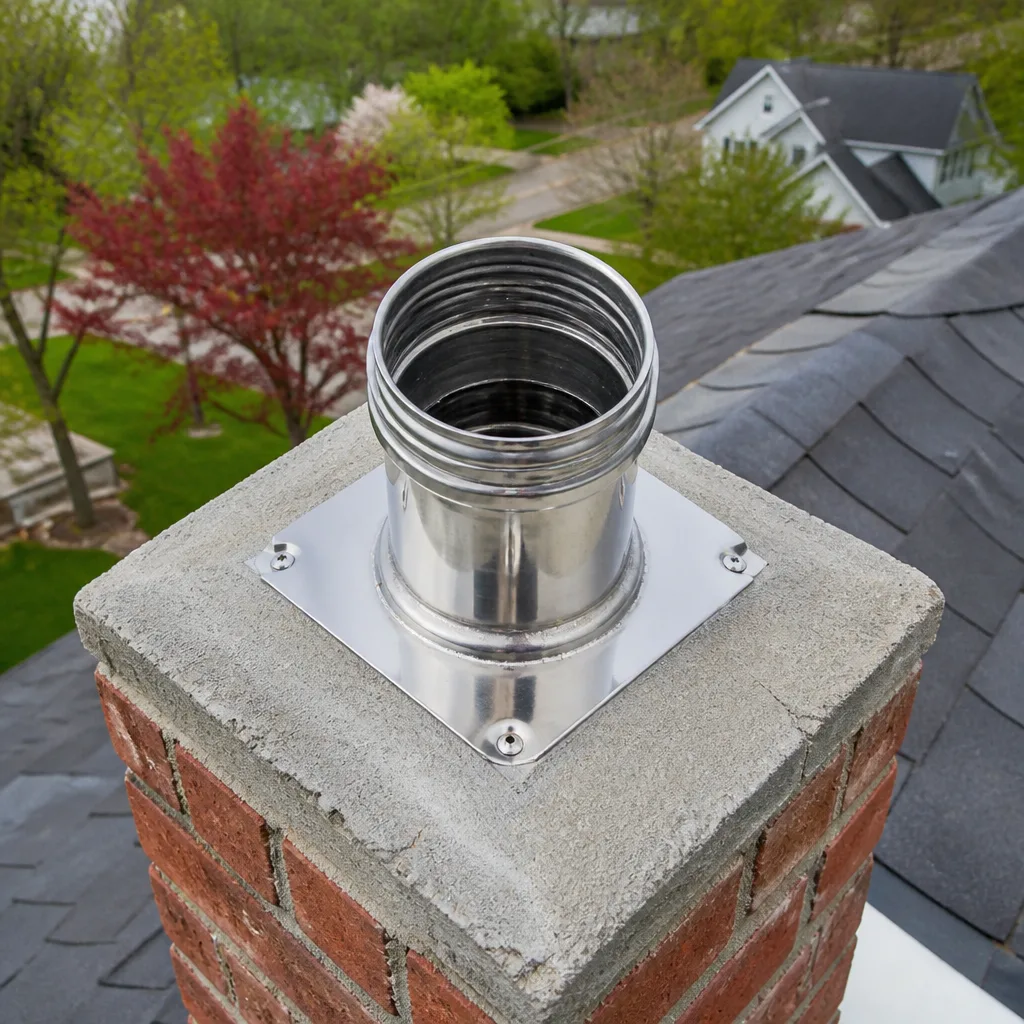
If a liner does need replacing, we install DuraFlex flexible stainless systems, which are also our answer for irregular or non-standard flues other companies decline to work on. And because we work with professional-tier manufacturers rather than whatever the supply house had in stock, we can specify the right product rather than the closest one. That one-company scope – cleaning, evaluation, and repair under one roof – is what we mean when we say your chimney, start to finish.
The Gulf Coast Factor: Why Pasadena Chimneys Age Differently
Chimney problems in Pasadena don’t follow the same timeline as chimney problems in, say, Amarillo or Denver. The humid Gulf Coast climate creates a specific set of failure patterns that show up here and not in drier regions, and homeowners who moved from other parts of the country often don’t expect them.
The dominant issue is moisture. Long stretches of high humidity, combined with the daily temperature swings that drive condensation inside the flue, mean the interior of a chimney here sees far more water vapor than it would in a dry climate. That moisture works on masonry joints, mortar, and the refractory lining in a slow, steady way. It also worsens creosote buildup, because moisture and creosote together form a stickier, more corrosive deposit than creosote alone.
Tropical storm systems add a second pressure. Wind-driven rain finds its way past aging caps and flashing, and the water that gets in doesn’t dry out quickly here. It pools, saturates, and quietly works into the smoke chamber and the crown. By the time a homeowner notices a stain on the ceiling or a damp smell near the hearth, the water has usually been moving through the system for a while.
All of this makes the inspection side of a professional visit more important than it would be in a drier market. A brush alone won’t tell you whether your crown has a hairline crack from last summer’s storm, whether the flashing has lifted away from the brick, or whether the smoke chamber lining has started to fail. Those are exactly the kinds of findings a camera and a trained eye catch early – and early is when repair is straightforward and inexpensive compared to what it looks like after a few more seasons of moisture.
If you live in Pasadena and you’ve noticed a damp smell near the fireplace, or any staining on the ceiling or the brick, that’s a reason to book an inspection rather than to buy a brush. The cost of an inspection is a fraction of what water damage to the smoke chamber or crown becomes when it’s caught late.
The Brush vs. The Evaluation: What a Professional Visit Actually Includes
We hear the phrase “chimney sweep” and picture a brush on a rod. That’s the picture, but the visit is the substance. Here’s what a professional appointment involves, step by step, so you know what you’re paying for beyond the cleaning itself.
- Exterior inspection. We look at the crown, cap, flashing, and brickwork from the ground and from the roof line, checking for storm damage, moisture staining, and displaced components.
- Firebox and damper check. We look closely at the firebox brick and the damper assembly, noting cracks, gaps, and any stiffness in the mechanism.
- Smoke chamber evaluation. With lights and mirrors, we look at the sloped chamber above the damper and check for coating failure and buildup.
- Camera inspection of the flue. We run a camera down the liner, reviewing every tile joint and the interior surface. Photos are included, so you see what we see.
- The cleaning itself. With drop cloths and proper containment in place, we remove creosote and soot with the right brush and rotary tools for the liner type.
- A written report. We give you a written summary of what we found, what we cleaned, and what the chimney actually needs – and what it doesn’t. No pressure, no upselling.
That’s the 80% the brush alone doesn’t cover. The reason we lead with the evaluation rather than the cleaning is simple: anyone can sell you a sweep, but only a professional visit tells you whether the sweep was the whole story. If the camera shows a sound liner, we tell you. If it shows a gap at a tile joint, we show you the photo and explain what the realistic options are – including when the work can safely wait.
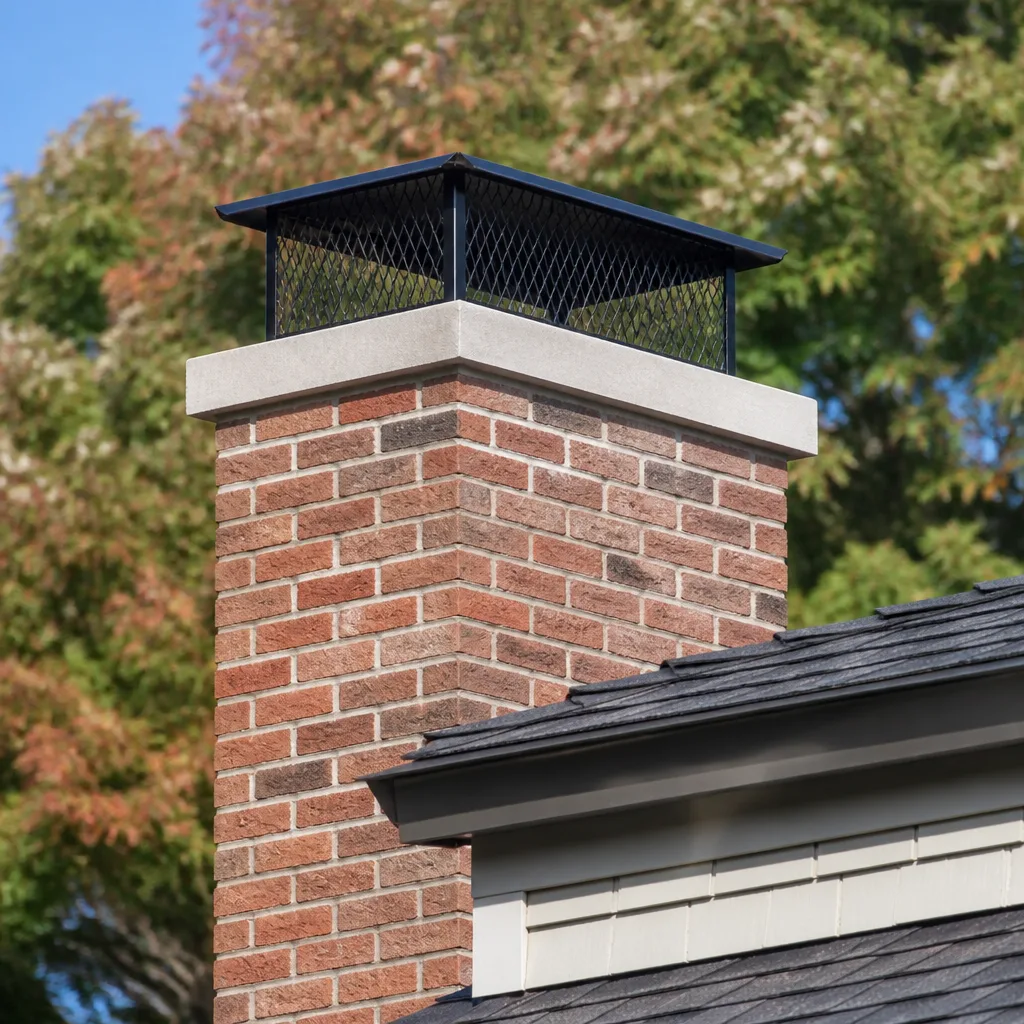
We use Gelco and Famco caps and covers to close the exterior side of the system, because the cap and crown are the parts that hold the weather out. A sound liner paired with a failing cap is a chimney that will be wet inside the next time it rains. That’s why we treat the whole chimney as one system rather than selling the flue in isolation.
The Insurance and Liability Reality of DIY Cleaning
For most homeowner policies, what matters after a chimney fire isn’t just whether the chimney was clean – it’s whether you can document that it was maintained. A DIY sweep leaves no record a claims adjuster can use. You’ve done the work, but you can’t prove the date, the condition of the flue at the time, or what was found. A professional sweep produces a written report with the date and findings, and that report is often the difference between a claim that’s straightforward to process and one that turns into a back-and-forth about maintenance history.
We’re not an insurance company, and we can’t tell you what any specific policy requires. What we can tell you is what our customers discover when they call their carrier after an incident: the claims process is easier when there’s documentation. We can work with your insurer to provide the written record of a sweep or inspection, and that alone is often worth the cost of the visit. If you’re not sure whether your policy requires documentation, call your carrier and ask. While you’re on the phone, schedule the sweep so the record exists either way.
How to Use DIY Maintenance Between Professional Visits
The right way to think about DIY maintenance isn’t as a substitute for professional visits. It’s as the work that makes those visits more productive and less frequent. If you do the shallow-end tasks consistently, the chimney stays cleaner between visits, and the professional appointment can focus on evaluation and the tasks you can’t do.
Here’s a maintenance rhythm that works well for Pasadena homeowners with an active fireplace or wood-burning insert:
- After each burn season. Sweep the firebox thoroughly, dispose of ash properly, and inspect the door gasket and glass (if you have an insert).
- Once a year before the season starts. From the ground, check the cap, screen, crown, and flashing. Note anything new. Confirm the damper moves freely, and lubricate if not.
- After any significant storm. Walk the exterior again. Look for missing caps, lifted flashing, or displaced brick. If anything looks wrong, call for an inspection rather than climbing up to check.
- Keep a simple log. Note the date of each professional sweep and the date of any DIY work. It’s not a substitute for a professional report, but it’s useful context when you’re talking to your insurer or a future buyer.
What we’d ask you not to do: don’t try to run a brush up the flue yourself. The rods are longer and heavier than they look, the brush diameter has to match the liner, and a brush that fits poorly can damage the liner rather than clean it. The money you save on a DIY brush is less than the cost of a damaged flue tile. The same goes for any attempt to remove glazed creosote chemically – the products sold for that job are caustic and require professional handling.
If a fire fails to draw properly, smoke rolls into the room, or you see a new crack in the firebox, stop using the fireplace and call us for an assessment. Those aren’t maintenance items. They’re reasons to stop and get eyes on the system before you burn again.
How Often Should a Pasadena Chimney Be Swept?
Most homeowners should have their chimney swept and inspected once a year, ideally before the burning season begins. That annual cadence is the baseline for a wood-burning fireplace or insert, and it’s the rhythm most insurance policies and chimney professionals expect. If you burn heavily – say, most evenings through the cooler months – or you’re burning wood that hasn’t been properly seasoned, you may need it more often.
In Pasadena specifically, the moisture factor argues for staying on the annual schedule rather than stretching it. A sweep that also includes a camera inspection catches the water-related issues that are the main risk here: a crown crack from a summer storm, a lifted flashing, a smoke chamber coating starting to fail. Those don’t announce themselves. An annual inspection is the point at which they get noticed.
If you’ve moved into a home in Pasadena and you don’t know when the chimney was last serviced, book an inspection before your first burn. The previous owner’s schedule is a mystery, and the first season is when you want to know the condition of the flue rather than discover it mid-winter. Our chimney repair work often starts with exactly that call – a new homeowner wanting to know what they actually bought.
For homeowners who burn occasionally rather than regularly, once a year is still the right cadence. The cost of an annual sweep and inspection is small compared to the cost of what moisture and creosote accumulate to when they’re left alone. We’d rather see your chimney every year and tell you it’s fine than see it every five years and tell you it needs a reline.
How to Choose a Chimney Professional in Pasadena
Not every company that advertises chimney sweeping does the same work. Some are quick brush-and-bill operations; others are full-service shops that handle cleaning, evaluation, and repair under one roof. Here’s what to look for.
- Camera inspection included. A professional visit includes a camera run down the flue and photos you can look at. If a company brushes without inspecting, you’re getting 20% of the visit.
- Written report. You should leave the appointment with a written record of what was found and a clear estimate for any recommended work. That record matters for insurance and for your own peace of mind.
- Professional-grade materials. Ask what liner and cap products the company works with. The names professionals specify are the ones you want to see – DuraFlex, HeatShield, Olympia Chimney, Gelco, Famco, Copperfield. If a company can’t tell you what it installs, that’s a sign.
- Repair scope in-house. A company that can handle the sweep, the evaluation, and the repair without subcontracting the expertise isn’t just convenient – it means one point of contact and one consistent standard across the whole job.
- Willingness to say “it can wait.” If everything a company finds is urgent, that’s a warning sign. A trustworthy sweep tells you what your chimney needs and what it doesn’t.
If you’re in the market, Remington Chimney Sweep is the team we’d put forward for the job. We work with the same materials chimney professionals specify, and we bring the whole scope – sweep, repair, inspection – to the appointment. The estimate is free, and we’ll tell you what your chimney actually needs before any work is scheduled.
Common Mistakes to Avoid
- Buying a brush and calling it a sweep. A homeowner-run brush clears what it can reach and tells you nothing about the liner. The camera inspection is the part that catches problems early, and a brush doesn’t replace it.
- Using a household vacuum for ash. Fine ash will destroy the motor and, worse, hot embers in a household vacuum are a fire hazard. Use a metal container, not a vacuum, for disposal, and never vacuum warm ash.
- Skipping the annual inspection because the fireplace “seems fine.” The conditions that cause the most trouble in a Pasadena chimney – a crown crack, a smoke chamber coating failure – don’t produce noticeable symptoms until they’re advanced. The inspection is how you catch them early.
- Trying to remove glazed creosote chemically. The retail products sold for this are caustic and dangerous, and they don’t do the job properly. Glazed creosote needs professional rotary tools and a trained hand.
- Assuming a storm did no damage because nothing looks different. Wind-driven rain finds its way into places you can’t see from the ground. After a big storm, have the exterior checked rather than assuming it’s fine.
- Scheduling a sweep but not asking for a report. The written report is the record you’ll want if you ever file an insurance claim. Insist on it.
- Hiring whoever’s cheapest without asking what they install. The brand names behind a sweep tell you a lot about the standards behind the company. Cheap work with generic parts is a false economy when the chimney is what’s keeping your family safe.
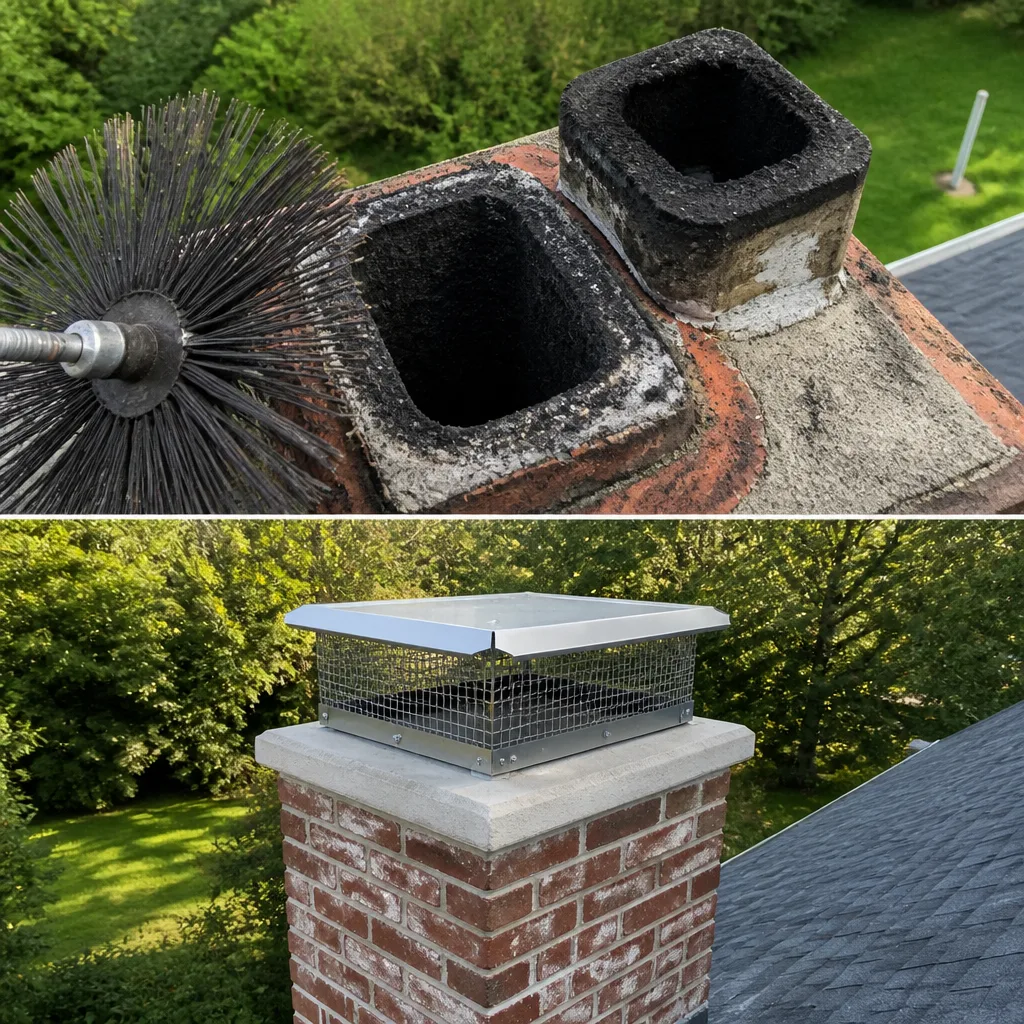
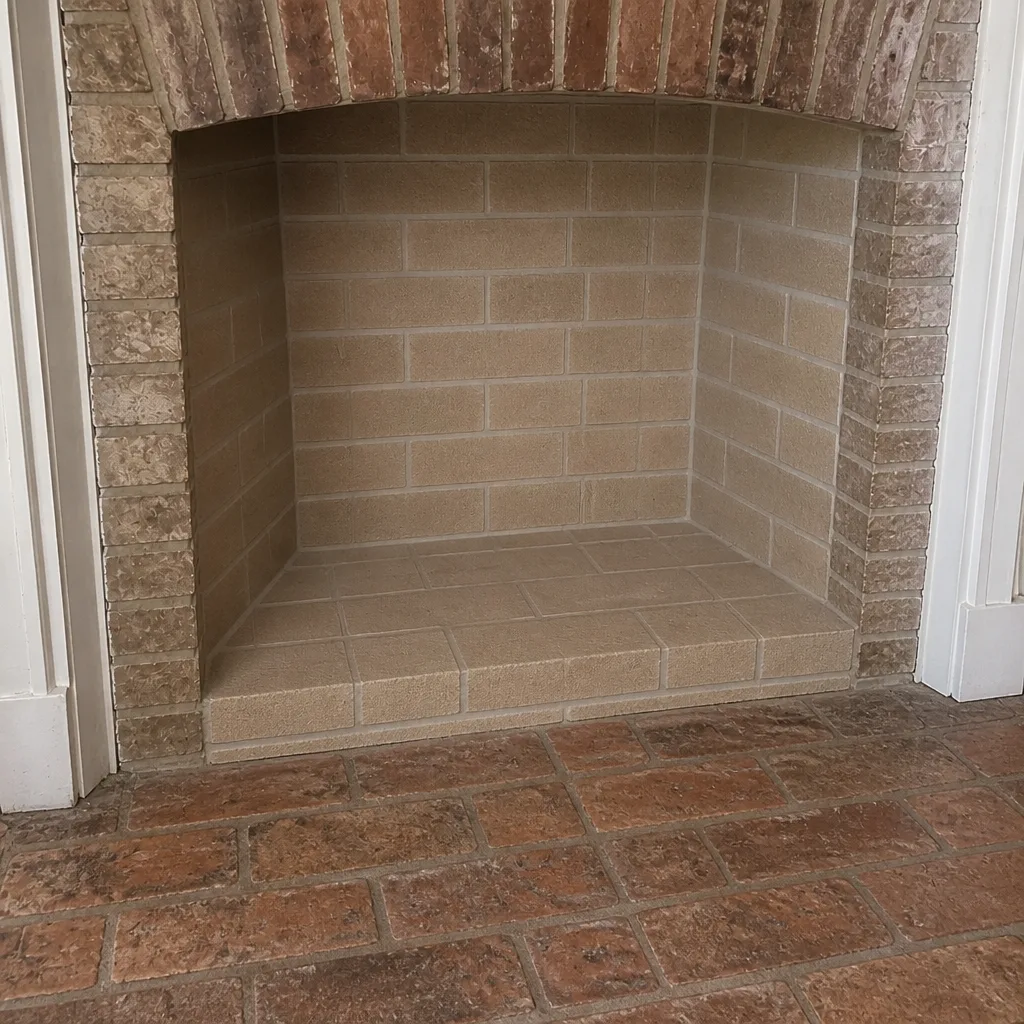
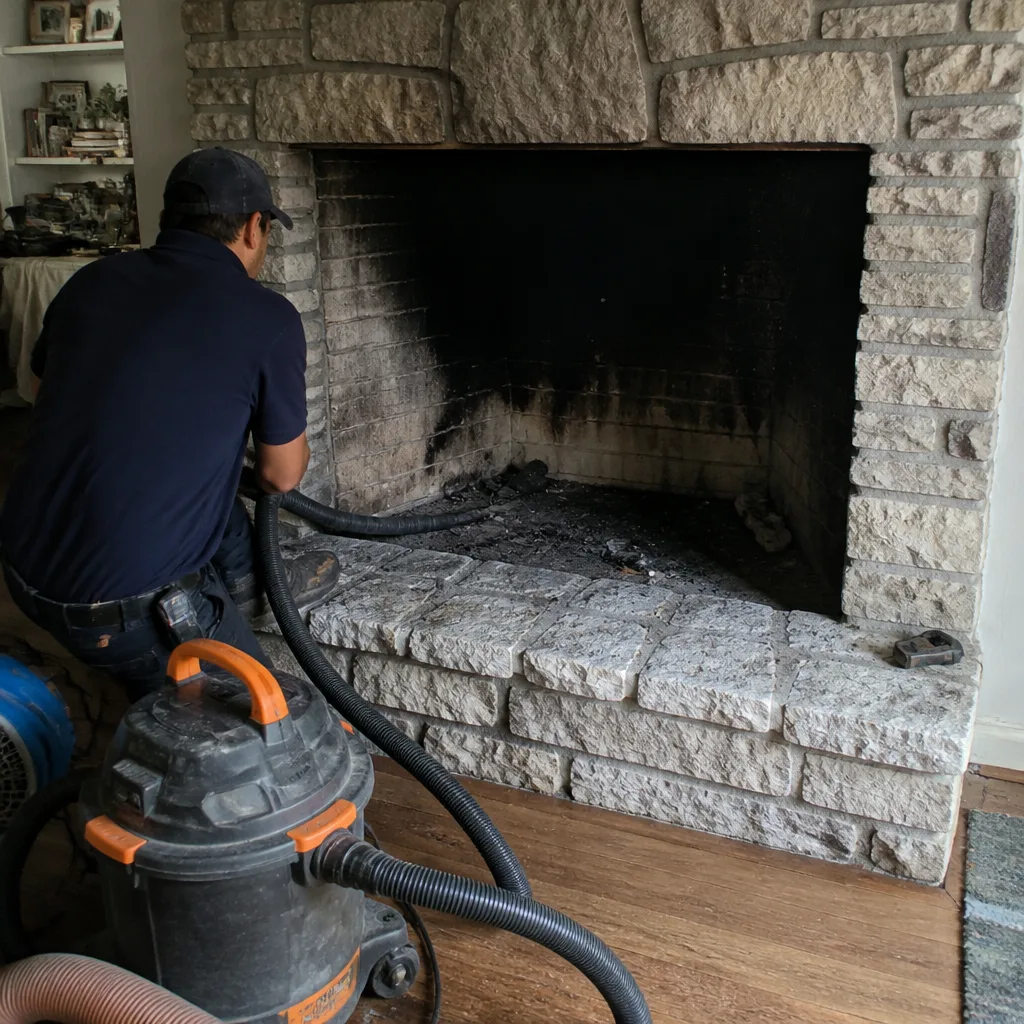
See the difference
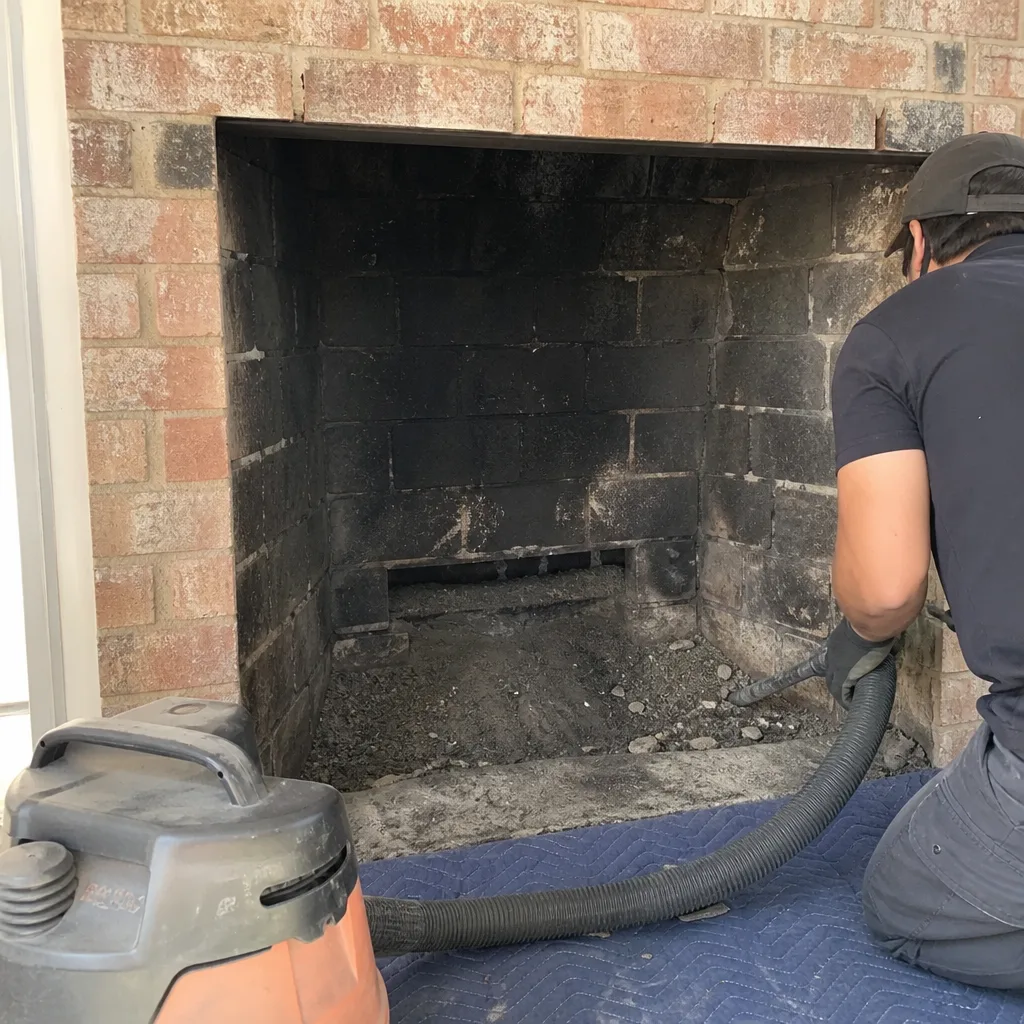 Before
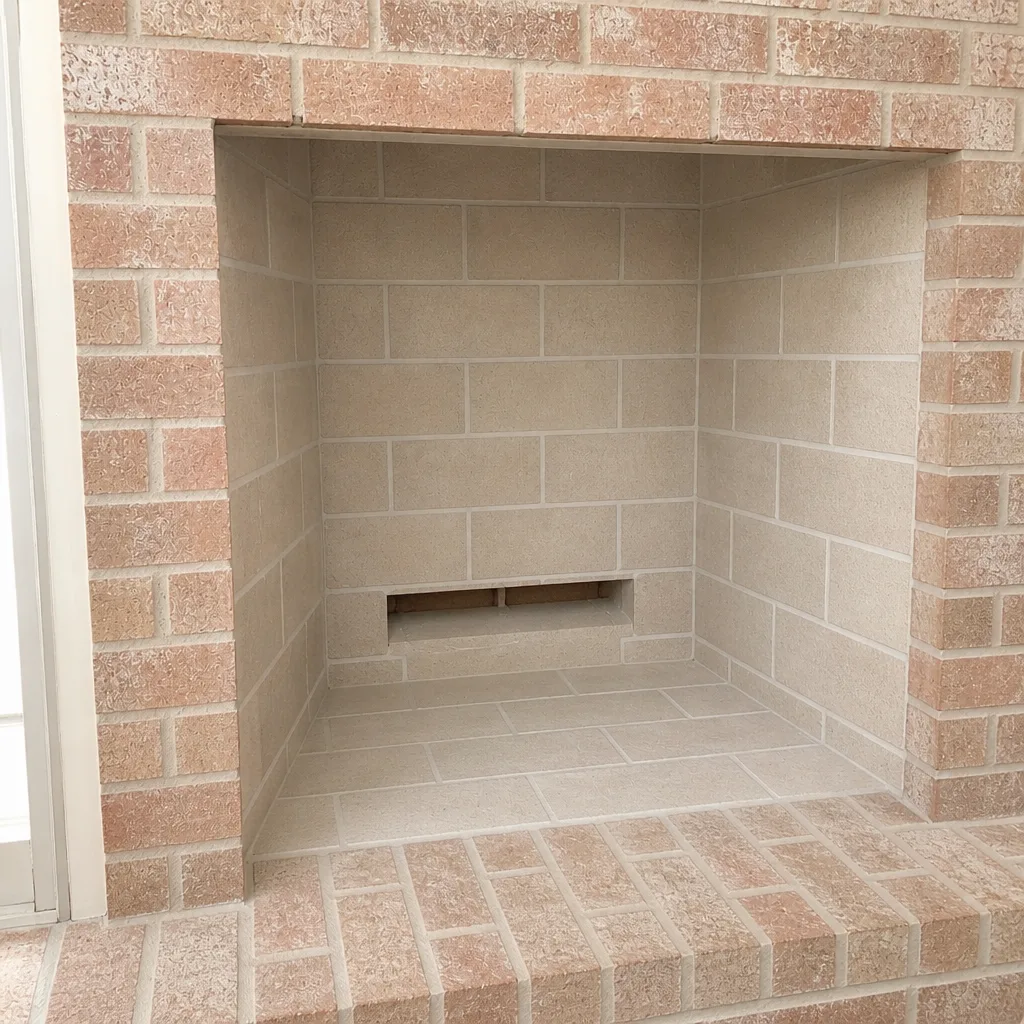 After
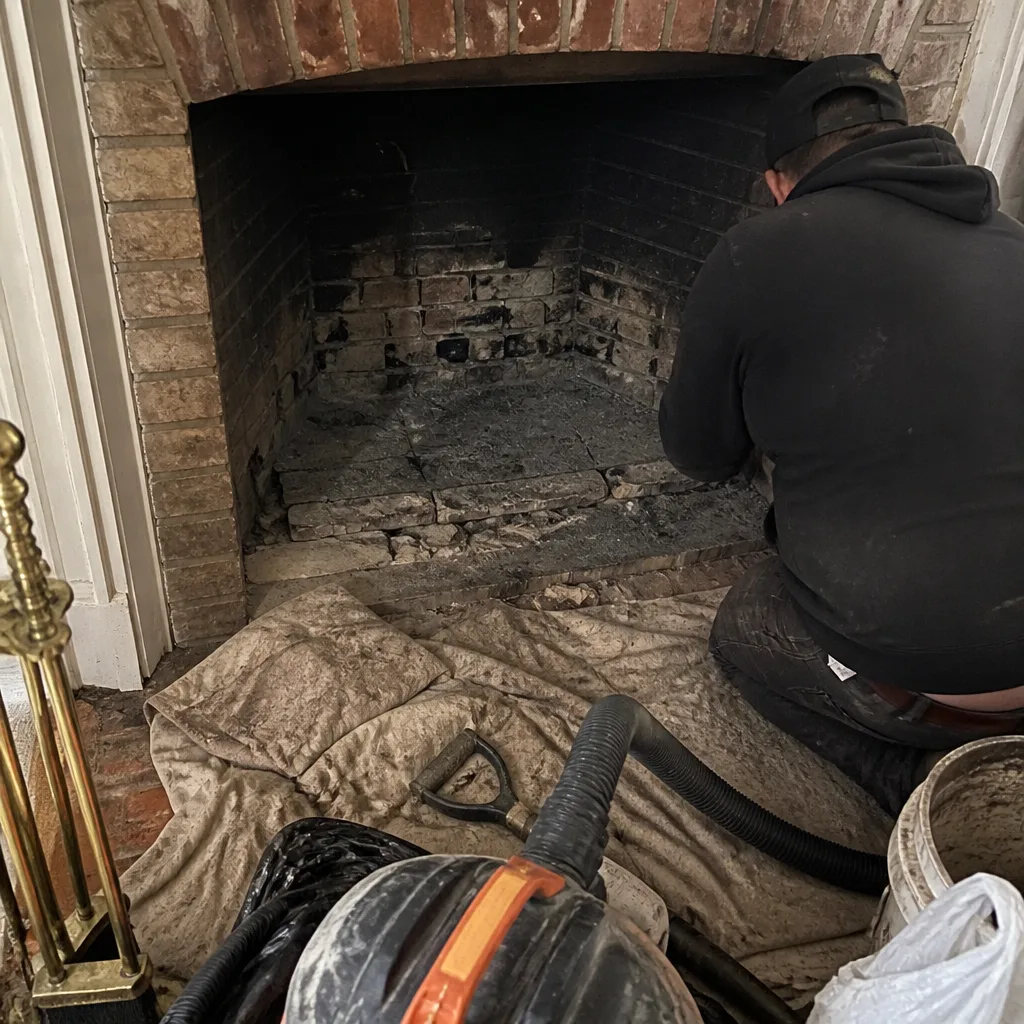 Before
 After
 Before
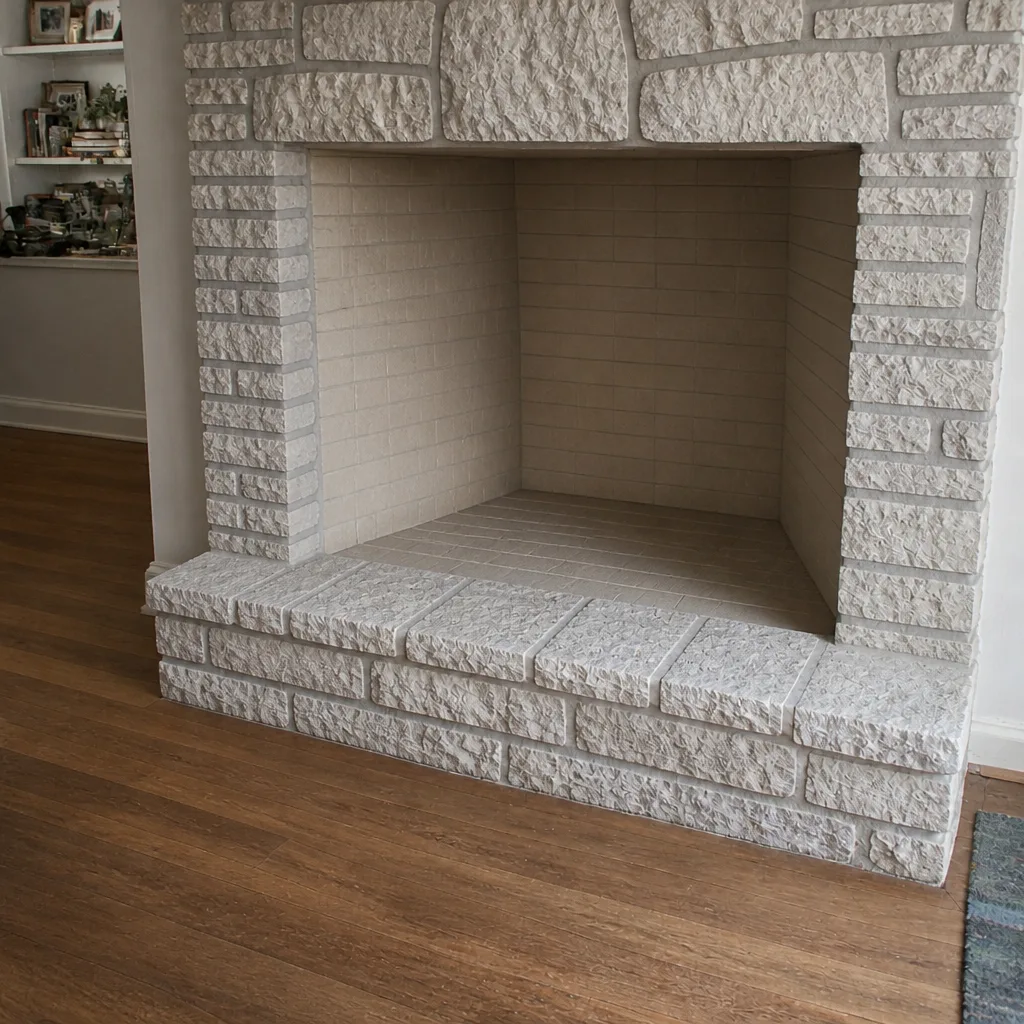 After
When to Call a Professional
Call us for these scenarios: any new crack in the firebox brick, smoke that rolls into the room when you light a fire, a strong tar-like smell that doesn’t clear, a damp smell or new staining near the hearth or ceiling, visible storm damage to the cap or crown, or a chimney that hasn’t been serviced in a year or more. If you’ve moved into a home in Pasadena and you don’t know the service history, that’s a reason to call before the first burn of the season. Remington Chimney Sweep offers free estimates in Pasadena – call (833) 334-7488 for a free estimate. Call (833) 334-7488. We answer 24/7. Fast dispatch from 7am to 7pm, Sunday through Friday.
Frequently Asked Questions
Typical chimney sweep and inspection pricing in Pasadena depends on the type of appliance, the length and configuration of the flue, and whether the appointment includes a full camera inspection. We set the price per job with a written estimate before any work is scheduled, and the estimate itself is free. Call (833) 334-7488 for an exact quote – estimates are free.
Not always – and we won’t tell you that you do without showing you the camera evidence. A liner replacement is warranted when the tiles are cracked, spalled, or gapped in a way that can’t be addressed by resurfacing. In some cases HeatShield resurfacing restores a damaged flue without a full reline, which is almost always the less expensive path. We show you the photos and explain the reasoning, so you can judge for yourself. Call (833) 334-7488 for an honest assessment.
Once a year is the baseline for most wood-burning fireplaces and inserts, ideally before burning season starts. Heavy users or homeowners burning unseasoned wood may need it more often. In Pasadena’s humid climate, the annual visit is also your moisture inspection, which makes staying on schedule more valuable than it would be in a dry region. Call (833) 334-7488 to book your annual sweep.
Creosote builds up faster than most homeowners expect, and the glazed form is what fuels a chimney fire. Meanwhile, moisture quietly works on the mortar and the smoke chamber lining, and the damage that starts as a small crack can become a structural repair. The risks are real but they’re not immediate; the point of the annual sweep is to catch them while they’re still small. Call (833) 334-7488 to get on the schedule.
You can safely handle firebox sweeping, damper lubrication, and cap and screen checks from the ground. Actual flue cleaning and any assessment of the liner, smoke chamber, or structural cracks should be left to a professional. The evaluation step is where most of the value sits, and it’s the step a homeowner can’t do without the right equipment.
Usually not. Documentation matters to insurers after a chimney fire, and a professional sweep produces a written report with the date and findings that a DIY sweep doesn’t. Call your carrier to confirm what your policy requires, and call (833) 334-7488 to schedule the sweep so the record exists either way.
The Bottom Line
DIY chimney maintenance has a real role – firebox sweeping, damper care, cap and screen checks, and post-storm visual scans all make a difference. What it can’t replace is the evaluation: the camera inspection, the smoke chamber assessment, the structural reading of cracks. That gap matters more in Pasadena than in most markets, because the humid Gulf Coast climate makes moisture damage the dominant risk, and moisture damage doesn’t announce itself. Do the shallow-end work yourself, stay on the annual schedule, and let a professional handle the part you can’t see. Our technicians have up to 14 years of experience reading what the camera finds, and we’ll tell you what your chimney needs and what it doesn’t. Call (833) 334-7488. We answer 24/7. Fast dispatch from 7am to 7pm, Sunday through Friday. The estimate is free, and the report is yours.
Written by the team at Remington Chimney Sweep.