
Last updated November 15, 2026
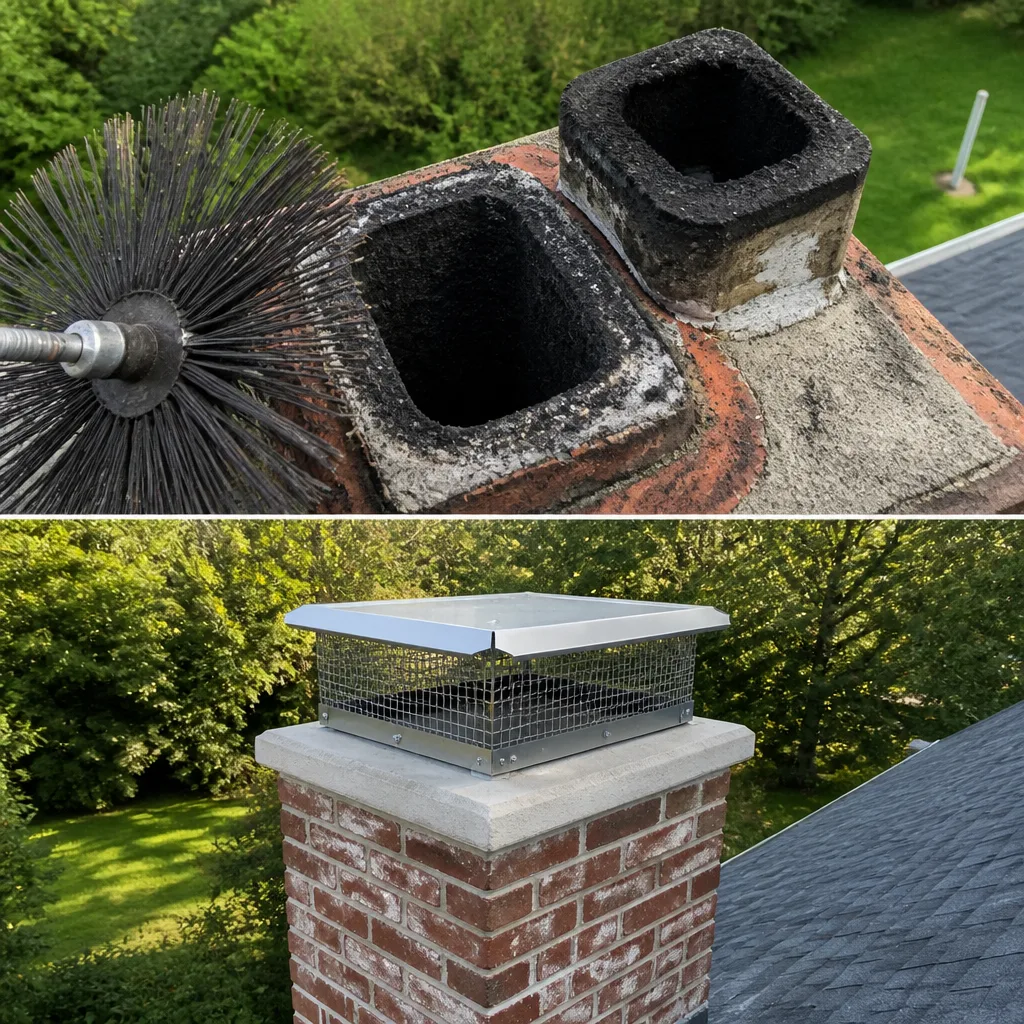 Sweep & inspection
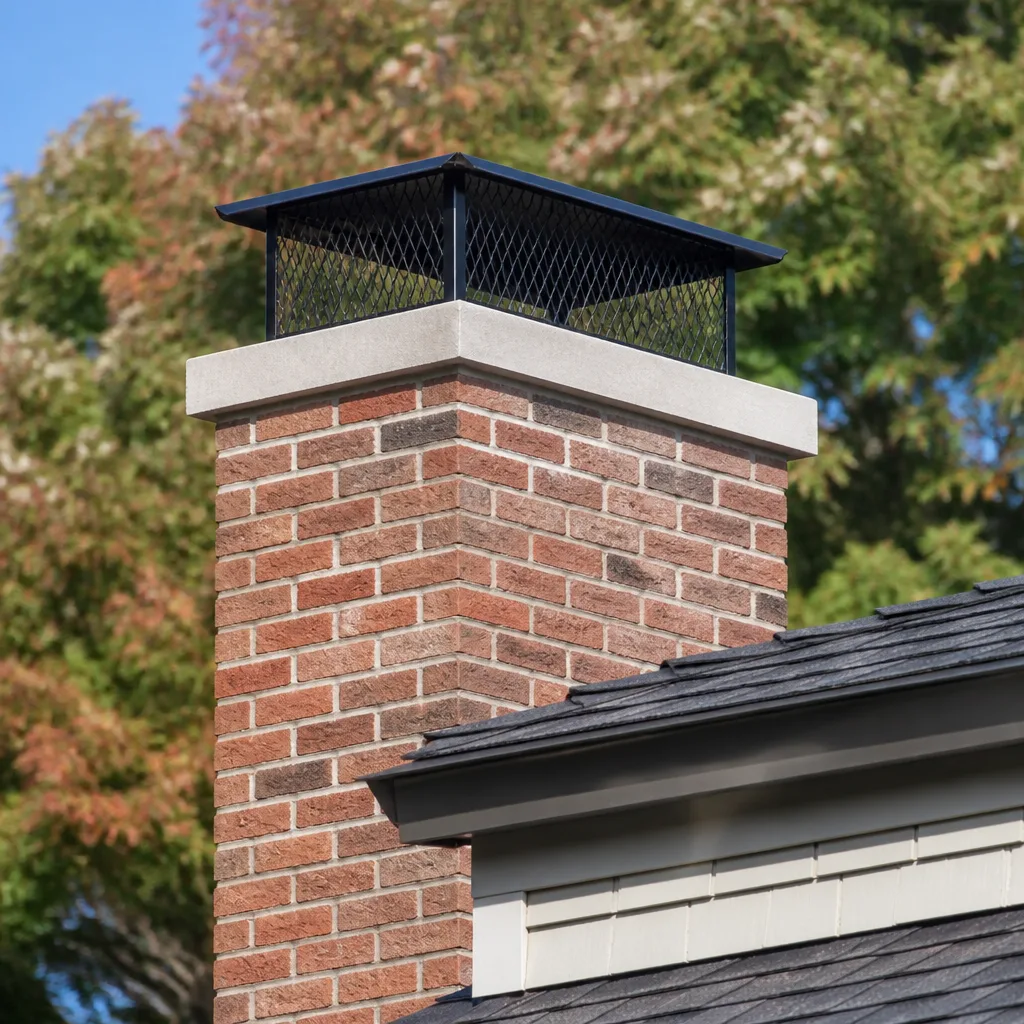 Caps & crowns
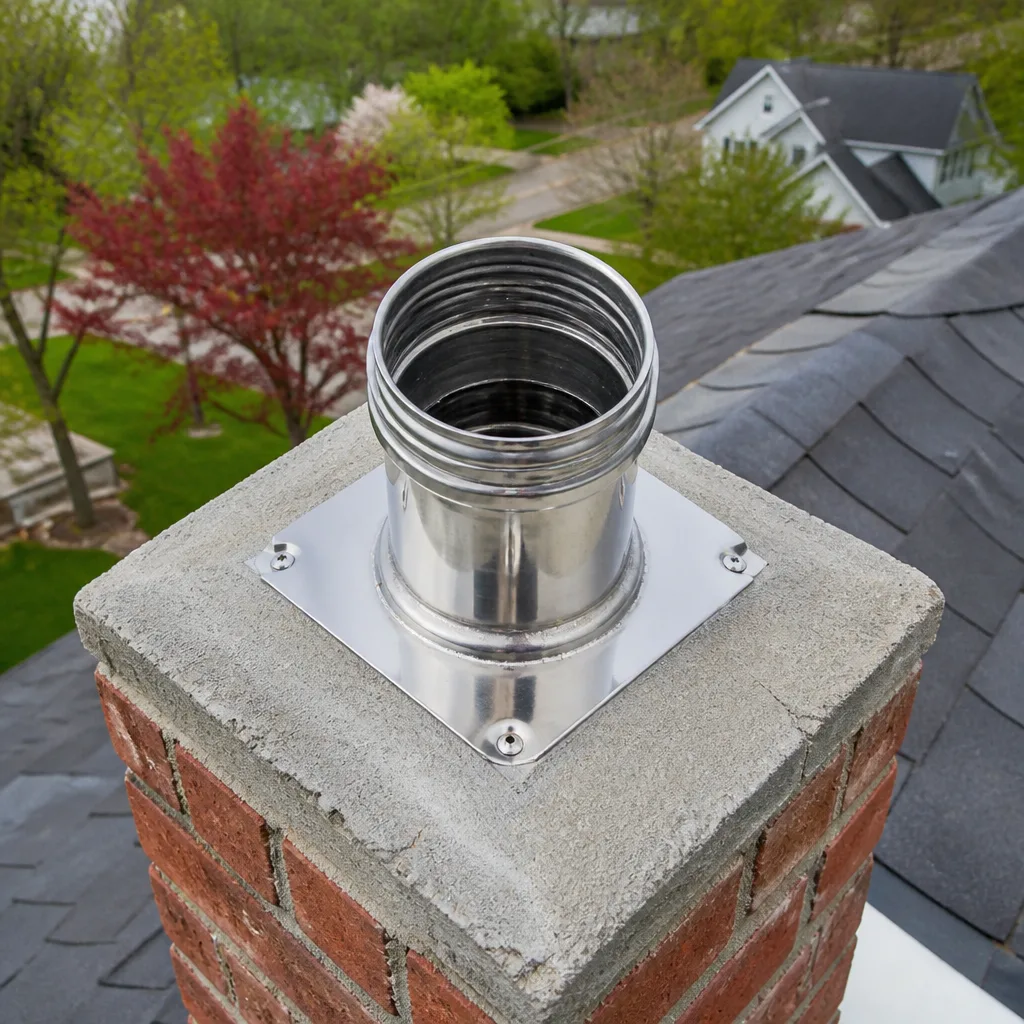 Flue relining
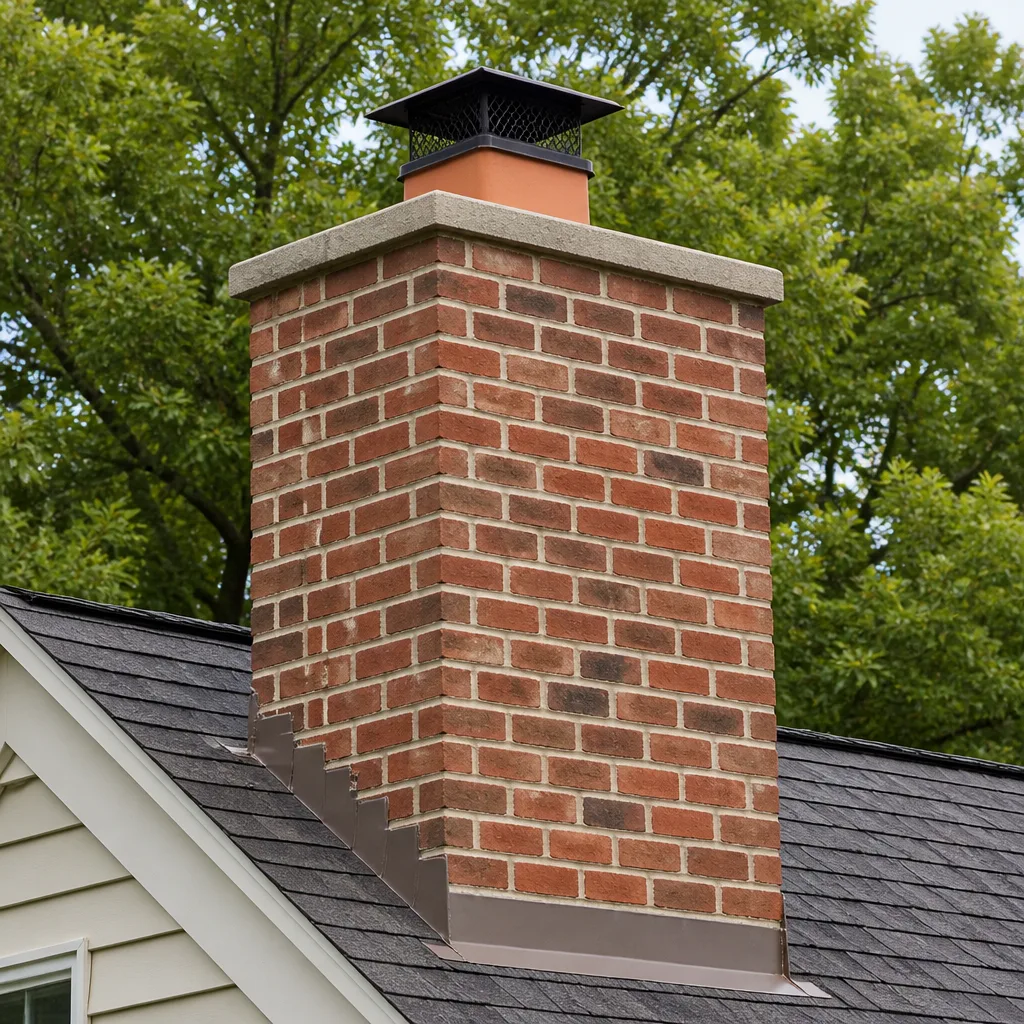 Masonry repair
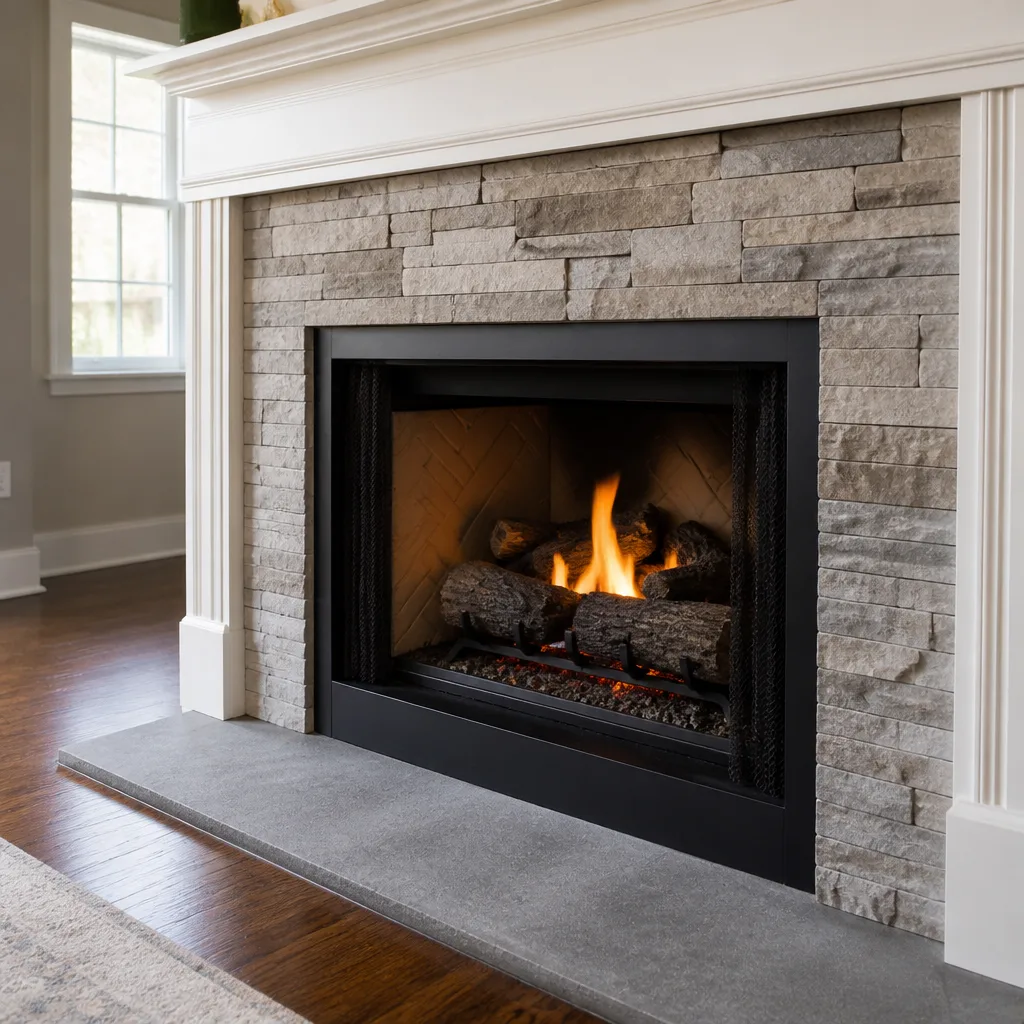 Gas fireplace service
Level 1 sweep and inspection to the NFPA 211 annual standard - flue, crown, cap, and flashing checked and photographed
Chimney sweep logs do not sweep chimneys. They loosen some creosote - which then falls where a brush and vacuum still have to collect it.
The Complete Guide to Chimney Cleaning in Pasadena
Most Pasadena homeowners light their fireplace fewer than fifteen times a year. That low usage feels safe, so the chimney gets pushed to the bottom of the maintenance list year after year. But here on the Gulf Coast, infrequent burning combined with heavy humidity creates its own set of problems: moisture that never fully dries, creosote that hardens into a stubborn glaze, and mortar that quietly softens through the long damp season. A chimney that sits idle in Pasadena is not a chimney at rest. In this guide, we’ll walk through what a complete, specification-grade cleaning actually involves in this climate, how to tell a thorough sweep from a quick brush-and-bill, and what paperwork you should expect when the job is done.
Quick Answer
A complete chimney cleaning in Pasadena means more than running a brush through the flue. It includes a sweep of the flue and firebox, an evaluation of the smoke chamber and damper, a check of the liner and mortar joints, and a written report with photos documenting what was found. In a humid Gulf Coast climate, the inspection matters as much as the cleaning, because moisture damage and low-use creosote buildup are easy to miss from the hearth.
Styles & brands we work with
- Sweep & inspection
- Caps & crowns
- Flue relining
- Masonry repair
- Gas fireplace service
Table of Contents
- Why low-use fireplaces in Pasadena still need cleaning
- How Gulf Coast humidity affects your chimney
- What a full-service sweep actually includes
- How to compare chimney cleaning quotes
- Pasadena conditions that wear down mortar and crowns
- What documentation you should receive
- How often should a Pasadena chimney be cleaned?
- What does chimney cleaning cost in Pasadena?
Why Low-Use Fireplaces in Pasadena Still Need Cleaning
Creosote doesn’t care how many fires you’ve had this year. It builds up from the smoke of every fire, and the amount that accumulates depends on how the fire burns as much as how often. A Pasadena homeowner who lights five or ten fires each winter may still find a notable layer of creosote by the following fall, especially if the wood was damp or the fire was regularly smoldered overnight.
There’s a second factor that gets overlooked: long idle periods. From late spring through early autumn, a chimney in Pasadena sits unused while the air around it is warm and humid. Any creosote or soot already on the flue walls absorbs that moisture. Over months, the residue softens, spreads, and can work its way into hairline cracks in the flue tile or mortar joints. When the next burning season arrives, the flue starts out in worse condition than the homeowner remembers.
We’ve also seen what we’d call the “one fire, one problem” scenario more than once. A single fire after a long idle season pushes warm, moist air up a cold flue, condenses on the cooler upper walls, and creates a sticky layer that catches the next fire’s smoke. It’s an inefficient way to start the season, and it accelerates the buildup.
Here’s the short list of what a low-use Pasadena fireplace typically needs:
- An annual sweep even if the fire count is low, to clear whatever creosote did form
- A liner inspection, since idle moisture can degrade tile joints between seasons
- A visual check of the firebox and damper, which rarely gets looked at from below
- A cap and crown check, since exterior moisture drives much of the interior damage
Low usage is not a reason to skip the annual sweep. It’s a reason to make sure the sweep includes the inspection that catches what a low fire count hides. For an overview of what a proper chimney sweep covers in this area, the service scope is a good place to start.
How Gulf Coast Humidity Affects Your Chimney
Humidity is the quiet variable in Pasadena chimney maintenance, and it works on the chimney from both directions. Outside, warm moist air and the near-constant cycling between warm days and cooler nights push moisture into the masonry, where it expands and contracts with temperature changes. Inside, the flue is a cavity that stays cooler than the surrounding air during the off-season, so moisture tends to collect there rather than vent away.
The result is a kind of slow wear that a colder climate wouldn’t produce. In a place with hard winters, the freeze-thaw cycle is the primary villain. Here, it’s the combination of moisture and heat cycling. The brick and mortar on a Pasadena chimney go through dozens of warm-cool-warm cycles each year, and each one is a small stress test on the joints. Over years, that’s enough to open hairline cracks that let in more moisture, which opens more cracks.
The signs of moisture damage usually show up in this order:
- Efflorescence – a white, powdery stain on exterior brick. It means moisture is moving through the masonry and leaving mineral deposits behind.
- Spalling – the brick face begins to flake or peel. Once spalling starts, the brick itself is breaking down.
- Soft or crumbly mortar joints – a fingernail pressed into the joint will leave a mark when the mortar has been softened by moisture.
- Crown cracking – hairline cracks in the concrete crown at the top of the chimney. This is the most common entry point for water.
- Rust stains or corrosion on the damper – a sign that moisture is reaching the metal components inside.
None of these fix themselves, and each one tends to invite the next. The crown is especially important because it’s the chimney’s built-in rain shield. When it cracks, water goes in freely, and the inside of the flue starts taking on moisture that a healthy crown would have shed.
We specify professional-grade components on the exterior side of the chimney – caps, crowns, and covers – specifically because this is the part of the system that does the daily work of keeping water out. When the exterior is sound, the interior has a much better chance of staying dry between burns. If you’re seeing efflorescence or spalling on your chimney, a chimney repair evaluation is the right next step.
What a Full-Service Sweep Actually Includes
A “sweep” can mean a fifteen-minute brush-and-vac, or it can mean a complete evaluation of the chimney from the firebox to the crown. The difference matters in Pasadena, where the hidden problems are the ones that cost money later. A specification-grade sweep covers the full system, not just the flue.
Here’s what a complete sweep includes, step by step:
- Firebox evaluation – We check the firebox walls for cracks, spalling, and gaps in the mortar. Damage here affects how the fire burns and where smoke goes.
- Damper check – The damper should open and close cleanly and seal when closed. A stuck or warped damper is both a smoke problem and an energy leak.
- Smoke chamber inspection – The smoke chamber is the sloped area between the firebox and the flue. It’s the most overlooked part of most chimneys, and a rough or damaged smoke chamber can collect creosote and cause draft problems.
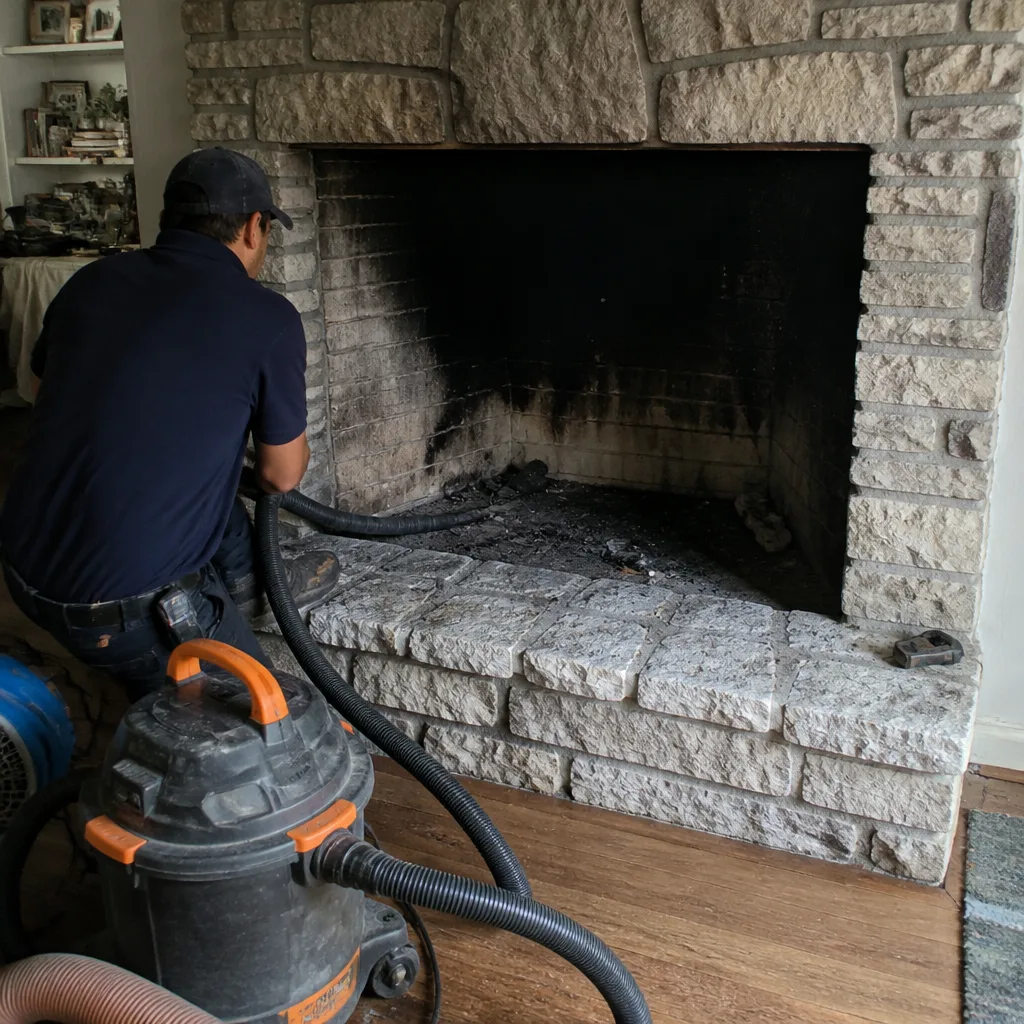
- Flue sweep – The flue gets swept with the appropriate brush for the liner material, with a vacuum running to control dust.
- Liner inspection – We look at the full length of the liner for cracks, gaps, corrosion, and evidence of moisture damage. A damaged liner is the most serious finding, since it’s the barrier between the flue gases and the structure of the house.
- Cap and crown check – We look at the top of the chimney for cracking, missing cap, animal activity, and rust on the cap screen.
- Written report and photos – We document what we found, with photos, and explain what needs attention now and what can safely wait.
The liner inspection deserves the most emphasis. If the liner is failing and we find it, the fix can involve a relining. For flues with irregular or non-standard dimensions that standard liner systems can’t address, flexible stainless systems such as DuraFlex can be specified. And for flues where the tile is damaged but the structure is otherwise sound, HeatShield resurfacing can sometimes restore the surface without a full reline, giving homeowners a middle path between “brush and move on” and “rip out and replace.”
That hierarchy of options is exactly what a specification-grade sweep is supposed to produce: not a single upsell, but an honest set of choices with the evidence to back them up.
How to Compare Chimney Cleaning Quotes in Pasadena
A chimney cleaning quote isn’t a commodity. Two quotes that look the same on paper can represent very different amounts of work, and the cheaper one is often cheaper because it skips the parts of the job you can’t see. In Pasadena, where moisture damage hides in the liner and the crown, the skipped part is usually the one that would have found the real problem.
Here’s what to compare when you’re weighing quotes:
- Is the inspection included, or extra? A quote that lists the sweep only and charges separately for the inspection is often a lower headline price with a bigger total.
- Is the smoke chamber evaluated? It’s the part of the chimney most likely to be skipped, because it takes time and a light to look at.
- Is the liner checked? A brush sweep doesn’t evaluate the liner. The quote should specify that the liner is inspected, not just swept.
- Are photos included in the report? Photos are evidence. If there’s no photo, there’s no way for you to see what the technician is describing.
- Are the materials professional-grade? When repairs come up, the parts matter. A liner or a cap from a supply-house bin is not the same as the ones chimney professionals specify by name.
- Is the report in writing? A verbal “you’re good” is not documentation. The written report is your record for the next season.
The honest comparison is never the line item for the sweep. It’s the total scope of what’s covered, what’s inspected, and what’s documented. A $99 brush-and-bill visit and a full-service sweep with a written inspection report are two different products. They look similar on a receipt, but one of them is actually keeping your chimney safe.
When in doubt, ask the company a plain question: “Will you show me the liner, the smoke chamber, and the crown with a report I can keep?” The answer tells you which kind of quote you’re holding.
Pasadena Conditions That Wear Down Mortar and Crowns
The exterior of a chimney in Pasadena is under more stress than most homeowners realize. The temperature swings from morning to afternoon, the humidity stays high, and the sun hits the south and west faces of a chimney hard through much of the year. The brick absorbs heat, the mortar expands, then the afternoon thunderstorms roll through and the whole assembly cools by twenty degrees in an hour. Repeat that through a full year and the small differences between brick and mortar start to show.
Here’s what we look for on a Pasadena exterior chimney:
- Crown cracks – the first thing to go, and the biggest source of water intrusion. A cracked crown lets water into the masonry below the cap.
- Mortar joint erosion – the mortar between bricks recesses over time as it weathers. When it has receded enough, the joints need repointing to keep water out.
- Spalling brick faces – the front of the brick flakes off, which exposes the softer interior of the brick to moisture.
- Cap corrosion – the screen and metal of the cap can rust and degrade over years. A missing or damaged cap leaves the flue open to rain and animals.
- Flashing failure – the seal between the chimney and the roofline is a common source of leaks that show up as stains on a ceiling far from the chimney.
Our exterior work uses cap and cover solutions from makers like Famco and Copperfield, because these are the parts that hold up season after season. The point isn’t brand names for their own sake. It’s that a chimney cap is a piece of hardware weathering the same sun and rain as the roof, and a thin, generic cap is going to fail earlier than a professional-grade one.
If your home is in Pasadena and the chimney has any visible exterior damage, that’s a conversation worth having before the next burning season. Have a technician look at it and tell you what needs to happen now, what can wait a year, and what’s actually fine. We’ll tell you what your chimney needs, and what it doesn’t. If you’d like a broader look at the area we cover, our Pasadena service page has the details.
What Documentation You Should Receive After a Cleaning
A cleaning without documentation is just a brush and a bill. In Pasadena, where the biggest risks are hidden in the liner and the crown, the report is how you know what was actually checked. The report is also your baseline. When you have the same technician document the chimney each year, small changes get caught early, before they become repairs.
Here’s what a complete post-cleaning report should include:
- A dated written summary of the sweep, the inspection, and any findings.
- Photos of the firebox, smoke chamber, flue, crown, and cap, taken during the inspection. If a finding is important enough to mention, it should be photographed.
- The inspection level performed – chimney inspections are typically classified by scope, and the report should state which level was done and what it covered.
- A clear list of what’s fine, what needs watching, and what needs repair now. The “needs watching” column is often the most useful, because it lets you plan.
- Any manufacturer documentation for parts installed during the visit, if repairs were part of the job.
The photos matter for a practical reason. When a technician tells you the firebox has a cracked panel or the liner has a failing joint, you shouldn’t have to take that on faith. You should be able to see it. If something is recommended, the evidence should be in your hands, not just described. A written report also lets you get a second opinion if you want one.
We’ve heard from plenty of homeowners who were told they needed significant liner work and had no way to verify it. That’s the exact situation a proper report prevents. When the photos are in front of you, the decision is yours, and the recommendation is either supported by what you’re looking at or it isn’t.
How Often Should a Pasadena Chimney Be Cleaned?
Once a year is the standard recommendation for a chimney in active use, and in Pasadena that once-a-year schedule holds even for low-use fireplaces. The reason isn’t the amount of creosote produced; it’s that the annual visit is the only regular opportunity to catch moisture damage, liner wear, and crown cracks before they turn into bigger repairs. The cleaning itself is only part of the value.
A simple way to think about it:
- Active fireplace, any wood – annual sweep and inspection.
- Low-use fireplace (under 15 fires a year) – still annual, because the off-season moisture exposure is the bigger risk.
- Wood-burning insert – annual, with extra attention to the flue connection and the insert’s own clearances.
- Gas fireplace – annual inspection, with the sweep as needed based on findings.
- Newly purchased home (any age) – inspect before the first fire. The chimney’s history is unknown.
- After a chimney fire – immediate inspection, regardless of when the last sweep was done.
If a Pasadena homeowner is unsure whether their chimney has ever been inspected, the safe assumption is that it hasn’t. That’s not a scare tactic, just the practical math of a home changing hands. Getting a baseline reading on the chimney’s condition is worth doing once, and from there the yearly schedule keeps things on track.
Those in the Pasadena area who’d like to schedule a sweep can reach us and we’ll book a time that works. Once the chimney is on an annual rhythm, the sweep becomes routine rather than something that has to be remembered from scratch every year.
What Does Chimney Cleaning Cost in Pasadena?
A chimney cleaning in Pasadena typically costs somewhere in the range of an ordinary home maintenance visit, with the exact figure depending on the chimney’s design, the condition found, and what’s included in the visit. A basic sweep and a full-service sweep with a documented inspection are not priced the same, and it’s worth knowing which is which before comparing quotes. The written estimate you receive before the work starts is the final word on price, so we spell out scope up front rather than adding items at the end.
Here’s how the cost typically breaks down:
| What’s included | What affects price |
|---|---|
| Standard sweep of an accessible flue | Flue height and access at the roofline |
| Firebox and damper evaluation | Whether the firebox is masonry or an insert |
| Smoke chamber inspection | Condition found during inspection |
| Liner assessment | Presence of any prior liner or modification |
| Cap and crown visual check | Whether exterior access is safe and direct |
| Written report with photos | Complexity of findings documented |
If repairs are needed, they’re quoted separately with their own written estimate, so you’ll always know what’s included in the cleaning visit and what’s an add-on. Nothing is recommended without photo evidence you can see for yourself, and we’re glad to tell you when something can safely wait for another season.
The estimate is free, and the price is set per job by the written estimate. Call (833) 334-7488 for an exact quote. We answer 24/7. Fast dispatch from 7am to 7pm, Sunday through Friday.
Common Mistakes to Avoid
- Skipping the annual sweep because the fireplace gets little use. In Pasadena’s humidity, the off-season moisture exposure is often the bigger issue than the fire count. The yearly visit is what catches it.
- Hiring the lowest-priced “brush-and-bill” sweep. A quote that doesn’t include a liner check, a smoke chamber look, or a written report is a partial job. The savings show up as a repair later.
- Treating a verbal “you’re all set” as documentation. Without photos and a written report, you have no way to verify what was found or what was missed.
- Ignoring efflorescence and spalling on exterior brick. White staining or flaking brick on the outside of a Pasadena chimney means moisture is moving through the masonry. It doesn’t fix itself, and it tends to get worse each rainy season.
- Letting a cracked crown go through a full year. The crown is the chimney’s rain shield. A crack there sends water straight to the flue.
- Burning unseasoned wood to try to lower the fire count. Green or damp wood produces more creosote per fire, not less, so a small number of poorly burning fires can leave as much residue as many good ones.
- Scheduling a sweep but not being present for the findings. The value of the visit is partly in the conversation about what the technician saw. If you can be home for the last part of the visit, the report makes more sense.
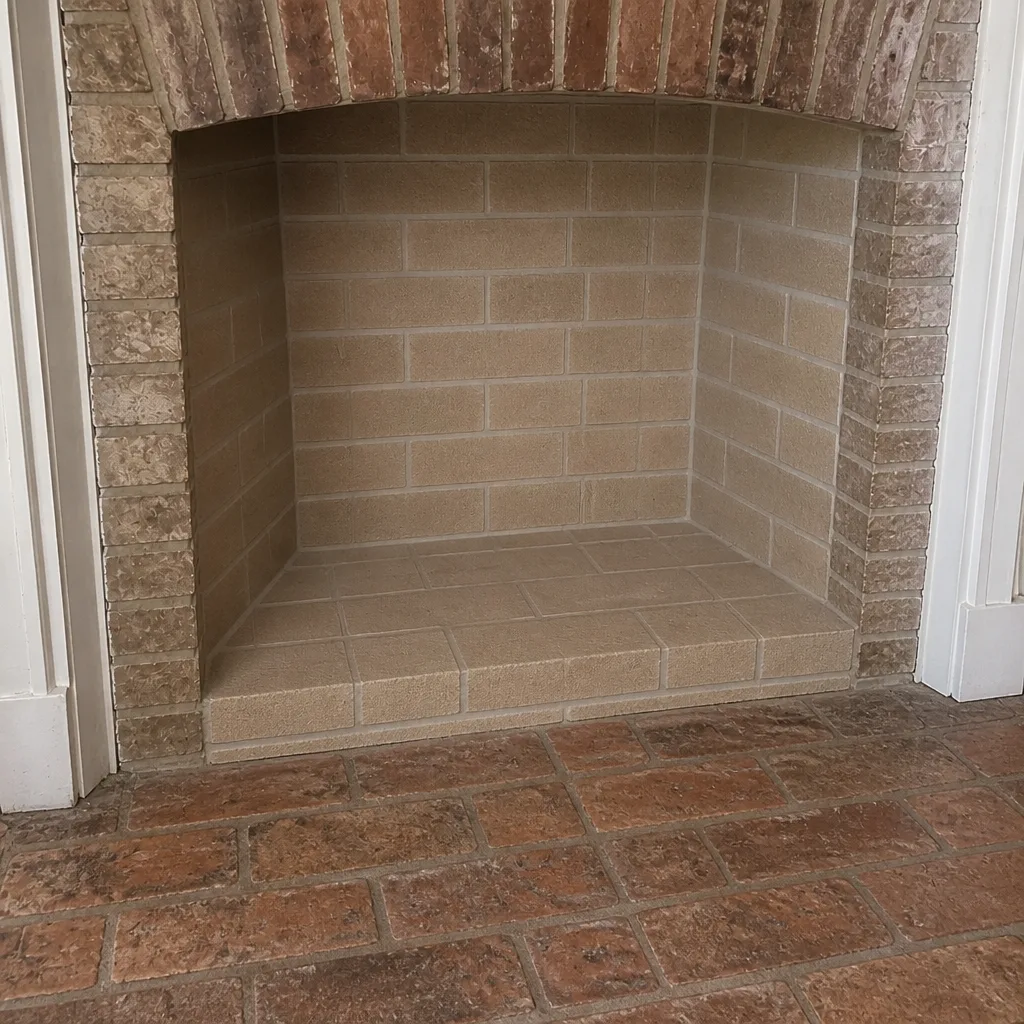
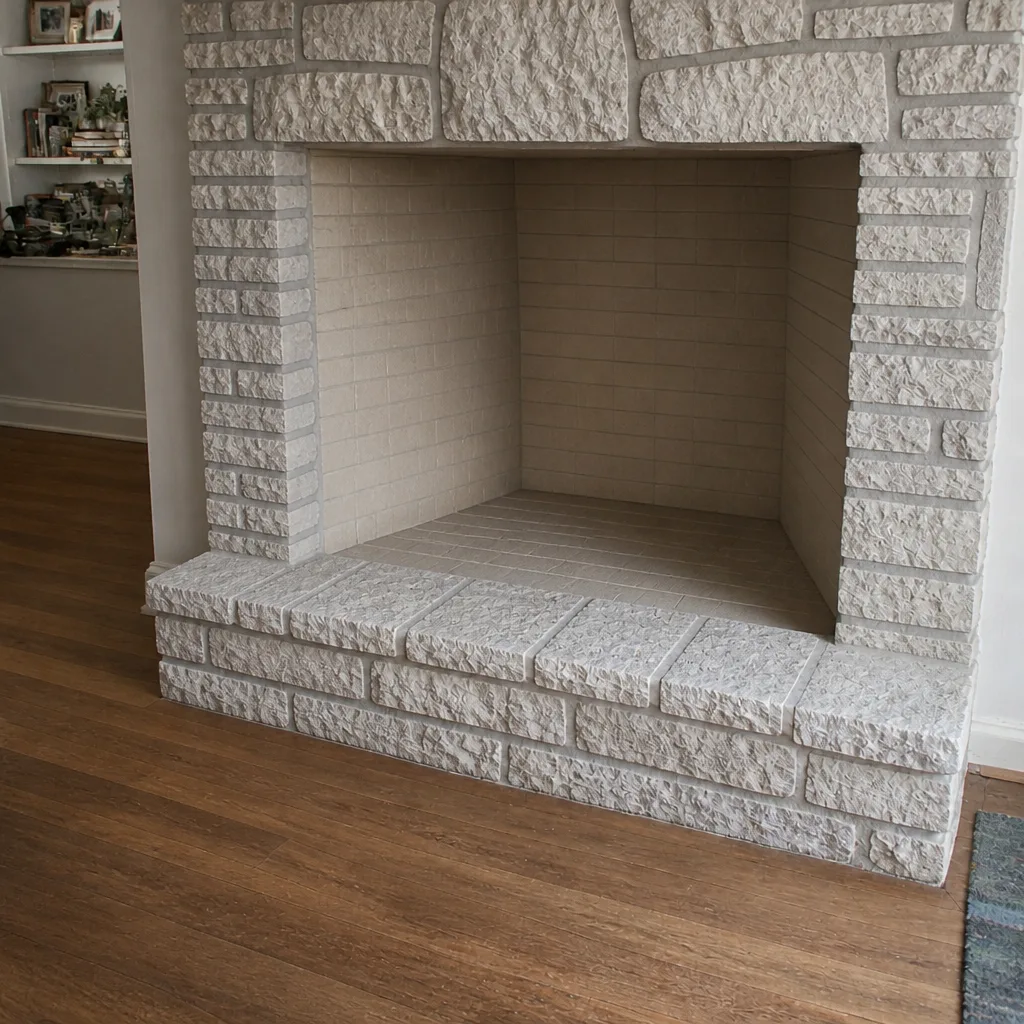
See the difference
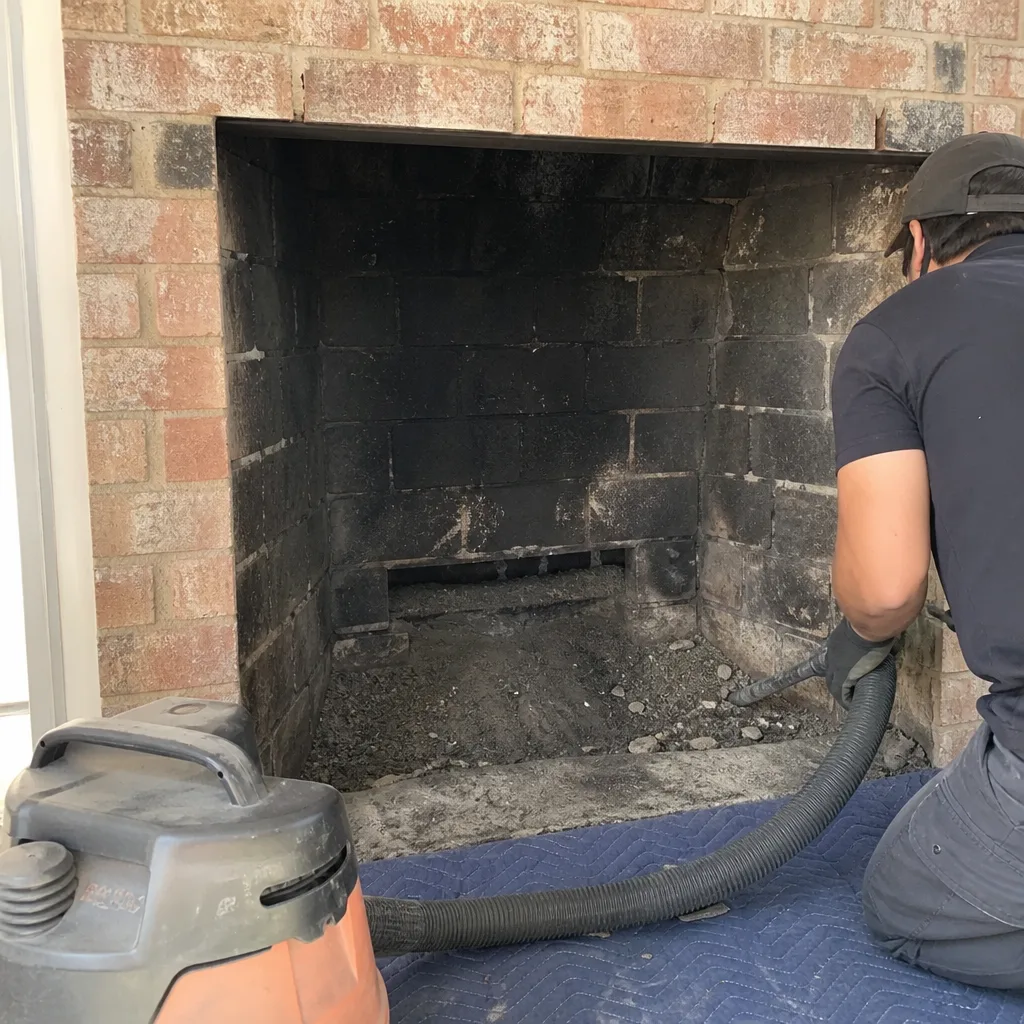 Before
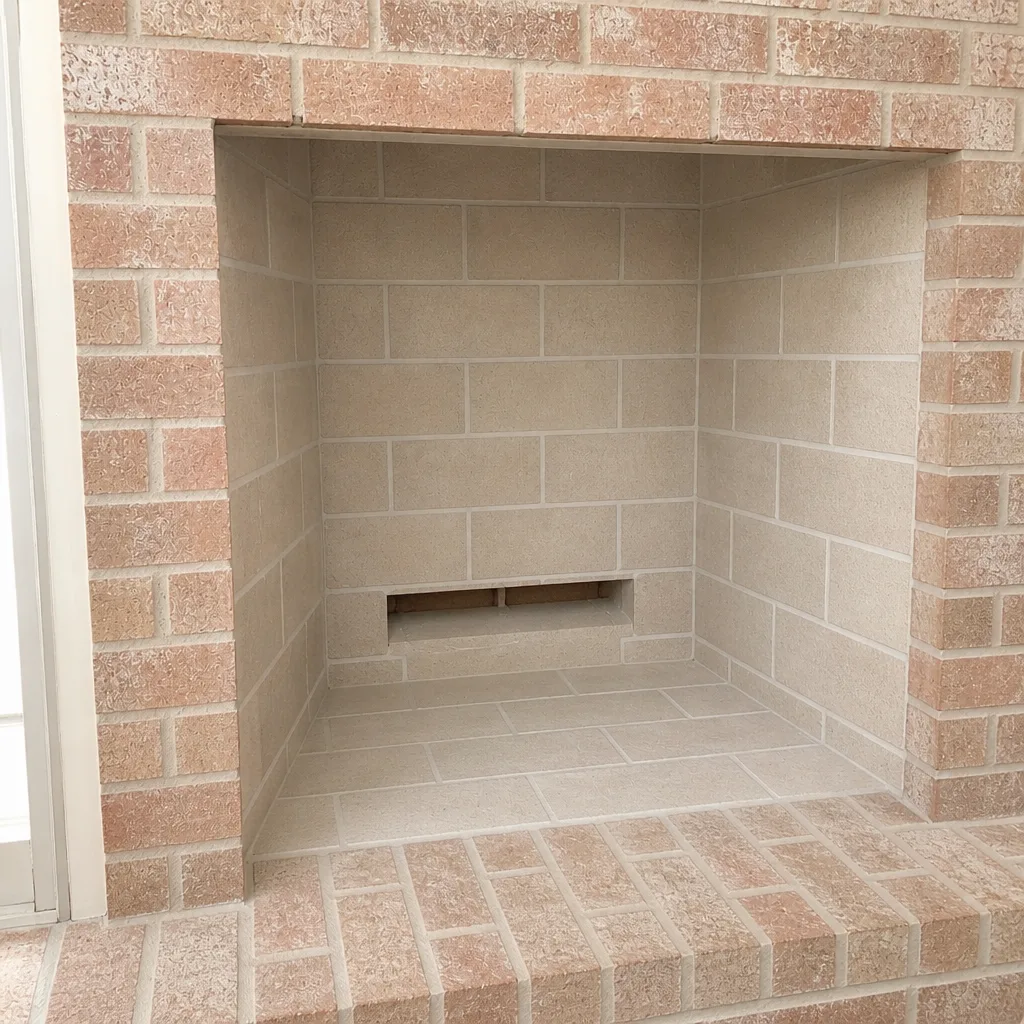 After
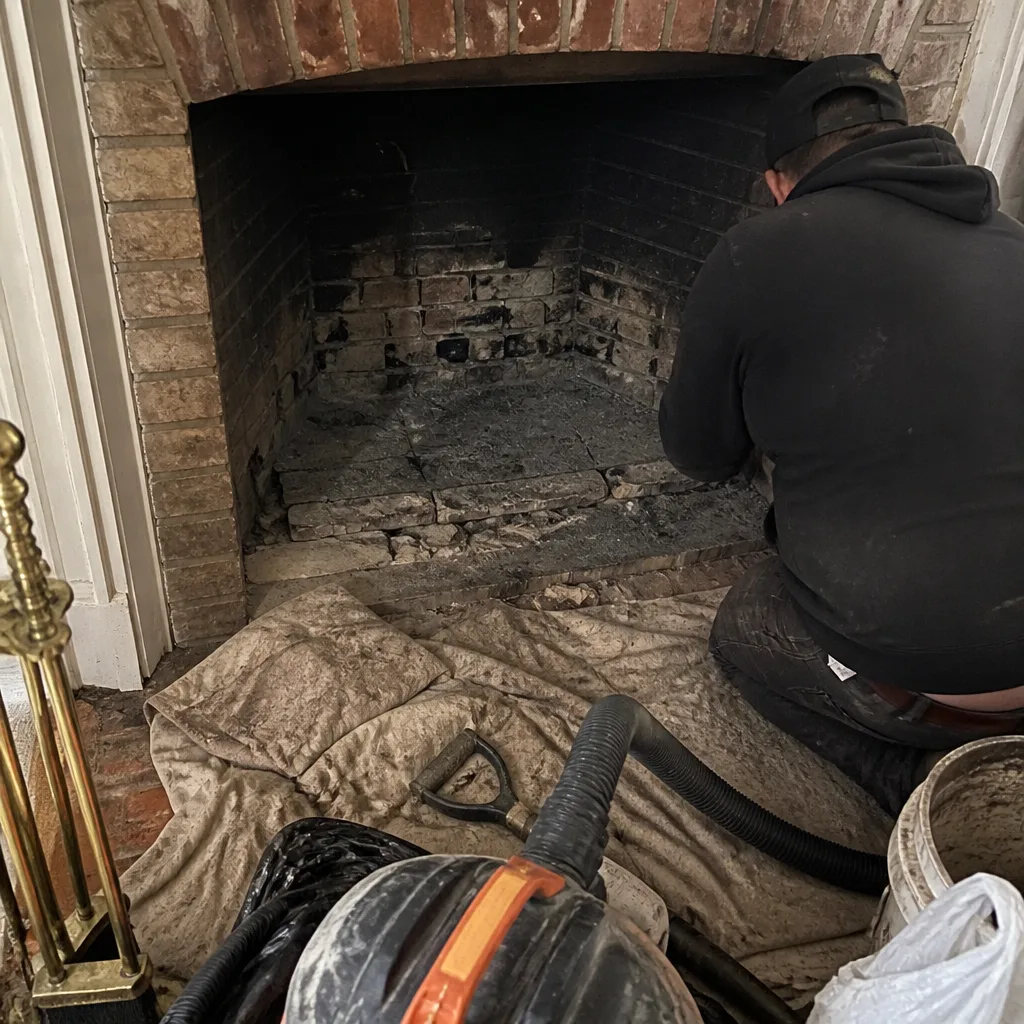 Before
 After
 Before
 After
When to Call a Professional
Some chimney findings are safe to monitor, and some need a professional visit before the next fire. Call us when you notice any of the following: visible white staining or brick flaking on the exterior, mortar you can crumble with a fingernail, a damper that won’t seal, smoke that rolls into the room instead of going up, a chimney you’ve never had inspected, or any evidence of a past chimney fire (a “puffy” or glazed creosote layer, warped metal, or cracked tile). If your fireplace is an insert, that’s also a good reason for a professional visit, because the flue connection is a part of the system that needs to be checked directly. Our technicians have up to 14 years of experience and can sort out what’s routine and what isn’t.
Remington Chimney Sweep offers free estimates in Pasadena. Call (833) 334-7488. We answer 24/7. Fast dispatch from 7am to 7pm, Sunday through Friday.
Frequently Asked Questions
A chimney sweep in Pasadena typically costs somewhere in the range of a routine home maintenance visit, with the exact price depending on what’s included in the visit and what condition is found. A full-service sweep with a documented inspection of the liner, smoke chamber, and exterior is a different scope from a basic brush job, and the written estimate you receive before booking sets the final price. Call (833) 334-7488 for an exact quote. The estimate is free.
Not always. A liner replacement is only necessary when the existing liner has damage that can’t be safely addressed another way. In many cases, damaged flue tile can be resurfaced with a repair-grade product like HeatShield, which restores the surface and provides a durable barrier without a full reline. We don’t recommend a liner replacement unless the photos from the inspection clearly show it’s needed, and we’ll tell you plainly if a repair can wait or if resurfacing can do the job. Call (833) 334-7488 and we can talk through what your inspection found.
Once a year, even if the fireplace sees only a handful of fires. The annual visit is the only regular opportunity to catch moisture damage, liner wear, and crown cracks before they turn into larger repairs. The cleaning itself is only part of the visit; the inspection is what most of the value comes from in Pasadena’s humid climate. Call (833) 334-7488 to book a yearly sweep and get on a rhythm.
Creosote keeps accumulating on the flue walls, and in a humid climate it also absorbs moisture during the off-season. Over time that combination can degrade the liner, soften mortar joints, and reduce draft. The worst case is a chimney fire in a flue that was never cleaned and a liner that was never checked. Skipping one season isn’t a disaster, but skipping several is where the repair bills come from. Call (833) 334-7488 to catch up on a sweep before the next burning season.
Yes. Low use doesn’t eliminate creosote, and it doesn’t stop the off-season moisture that collects in an idle flue. In Pasadena’s climate, an annual sweep and inspection is the right schedule for a fireplace that sees only a few fires each year. Call (833) 334-7488 to schedule; the written report will tell you exactly what was found.
A dated written report, photos of the firebox, smoke chamber, flue, crown, and cap, a note of which inspection level was performed, and a plain summary of what’s fine, what needs watching, and what needs repair. If anything is recommended, you should be able to see the evidence yourself in the photos. Call (833) 334-7488 to book a sweep with documentation included.
The Bottom Line
Chimney cleaning in Pasadena is not a one-size-fits-all job. The low fire counts are deceptive, the humidity is persistent, and the parts of the chimney that matter most are the ones that are hardest to see. A specification-grade sweep covers the full system: the firebox, the smoke chamber, the flue, the liner, the cap, and the crown. It ends with a written report and photos you can keep. The lower-priced brush-and-bill visit ends with a bill. If you’re weighing which one your Pasadena home needs, we’d rather walk you through the inspection than let you guess. One company, every part of the chimney, and an honest answer about what needs doing and what doesn’t.
Contact
If your Pasadena chimney is due for a sweep, an inspection, or a conversation about what the last report actually means, we’re glad to help. Call (833) 334-7488 for a free estimate. We answer 24/7. Fast dispatch from 7am to 7pm, Sunday through Friday. You can also read more about Remington Chimney Sweep and the full scope of what we do.
Written by the team at Remington Chimney Sweep.